
How do I handle a sewer camera cable to prevent tangling?
Leave a message

Handling a sewer camera cable properly is crucial to prevent tangling, which can not only save time but also extend the lifespan of the equipment. As a sewer camera supplier, I've witnessed firsthand the challenges that users face when dealing with cable tangles. In this blog, I'll share some practical tips on how to handle a sewer camera cable to avoid those frustrating knots.
Understanding the Cable
Before diving into the handling techniques, it's essential to understand the characteristics of the sewer camera cable. Most sewer camera cables are made of flexible materials that allow them to navigate through the twists and turns of sewer pipes. However, this flexibility also makes them prone to tangling. The cable's length can vary depending on the model, and longer cables are generally more difficult to manage.
Proper Storage
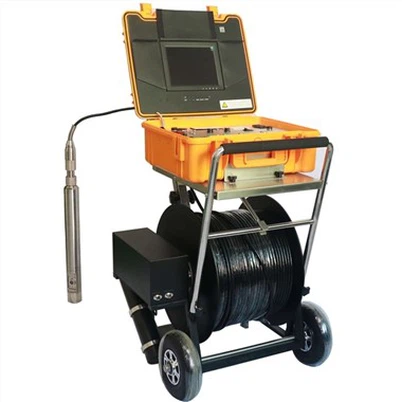
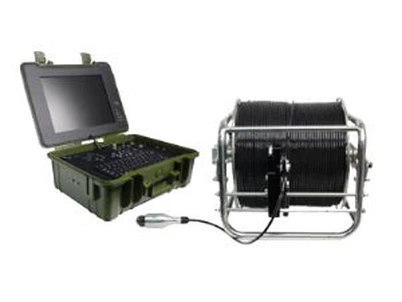
One of the most effective ways to prevent cable tangling is proper storage. When the sewer camera is not in use, it's important to store the cable in a way that keeps it organized. A cable reel or a storage box designed for sewer camera cables can be a great investment. These storage solutions help to keep the cable neatly wound and prevent it from getting tangled.
When using a cable reel, make sure to wind the cable evenly. Start by securing the end of the cable to the reel and then slowly turn the reel to wind the cable around it. Avoid winding the cable too tightly, as this can cause damage to the cable. If you're using a storage box, carefully coil the cable and place it inside the box. Make sure to leave enough space for the cable to move freely inside the box.
Unwinding the Cable
When it's time to use the sewer camera, it's important to unwind the cable correctly. Start by finding a clear and flat surface to work on. Avoid unwinding the cable in an area with obstacles or where it can get caught on something. Hold the end of the cable firmly and slowly unwind it, making sure to keep it straight. Avoid pulling the cable too quickly, as this can cause it to kink and tangle.
If the cable has been stored for a long time, it may have some natural bends or twists. To straighten the cable, you can gently pull on it while holding it at several points along its length. This will help to remove any kinks or twists and make it easier to work with.


Using the Cable
During the inspection process, it's important to handle the cable with care. Avoid dragging the cable across rough surfaces or sharp edges, as this can cause damage to the cable. When guiding the camera through the sewer pipes, use a smooth and steady motion. Avoid making sudden or jerky movements, as this can cause the cable to tangle.
If you encounter an obstruction in the pipe, do not force the camera or the cable through it. Instead, try to maneuver the camera around the obstruction or use a different approach. Forcing the cable through an obstruction can cause it to get stuck or damaged, which can lead to tangling.
Rewinding the Cable
After the inspection is complete, it's time to rewind the cable. Just like when unwinding the cable, it's important to do it slowly and carefully. Start by cleaning the cable to remove any dirt or debris. Then, find a clear and flat surface to work on. Hold the end of the cable firmly and slowly wind it around the reel or coil it up for storage.
As you're rewinding the cable, make sure to check for any signs of damage. Look for cuts, abrasions, or other signs of wear and tear. If you notice any damage, it's important to address it immediately to prevent further problems.
Additional Tips
- Use Cable Clips: Cable clips can be a useful tool for keeping the cable organized. You can use them to secure the cable to the sewer camera or to other objects to prevent it from moving around and getting tangled.
- Inspect the Cable Regularly: Regularly inspect the cable for any signs of damage or wear. This will help you to identify any potential problems early and take appropriate action.
- Train Your Staff: If you have a team of technicians using the sewer camera, make sure they are properly trained on how to handle the cable. This will help to ensure that everyone is following the same best practices and reducing the risk of tangling.
Conclusion
Handling a sewer camera cable to prevent tangling requires a combination of proper storage, careful unwinding and rewinding, and gentle handling during use. By following these tips, you can minimize the risk of cable tangles and ensure that your sewer camera equipment remains in good working condition.
If you're in the market for a high-quality sewer camera, we offer a range of products to meet your needs. Check out our Flexible Cable Industrial Borehole Camera, Factory Borehole Water Well Camera, and Borewell Inspection Camera. If you have any questions or would like to discuss your specific requirements, please don't hesitate to contact us for a procurement discussion.
References
- Professional Sewer Camera User Manuals
- Industry Best Practices for Cable Management