
What is the difference between ROV robots and AUV robots?
Leave a message

Hey there! I'm in the business of supplying ROV (Remotely Operated Vehicle) robots, and I often get asked about the difference between ROV robots and AUV (Autonomous Underwater Vehicle) robots. So, I thought I'd take a moment to break it down for you.
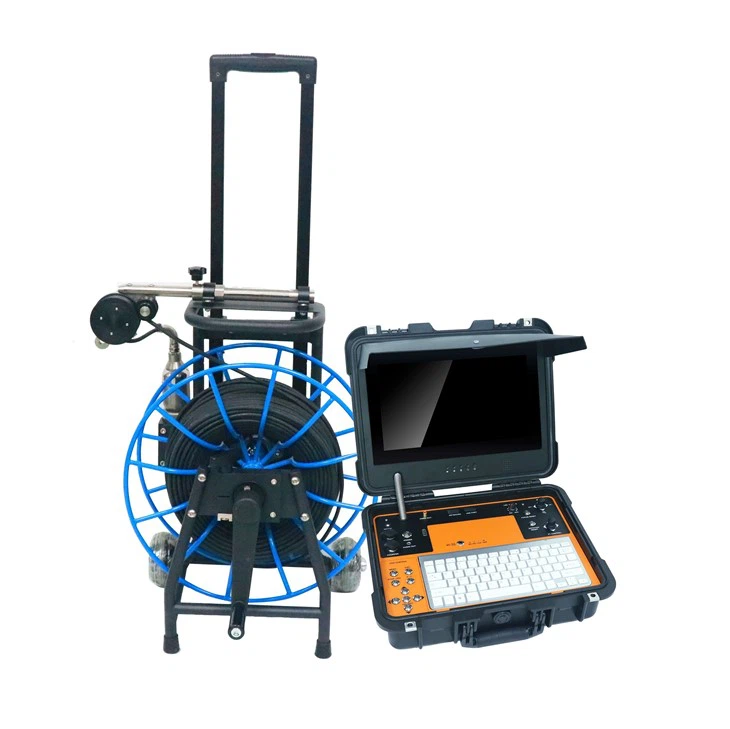
First off, let's talk about ROVs. These are the robots that I deal with on a daily basis. ROVs are basically underwater robots that are controlled by an operator on the surface. They're connected to a control unit via a tether, which is like a long cable that provides power and allows for the transmission of data and commands. This tether is a key feature of ROVs, as it gives the operator real - time control over the robot's movements.
One of the biggest advantages of ROVs is their flexibility. Since they're controlled by a human operator, they can be used in a wide variety of tasks. For example, they're great for underwater inspections. Whether it's checking the integrity of oil rigs, inspecting bridges, or looking at pipelines, ROVs can get in there and provide detailed visual information. They can also be used for scientific research, like exploring coral reefs or studying deep - sea organisms.
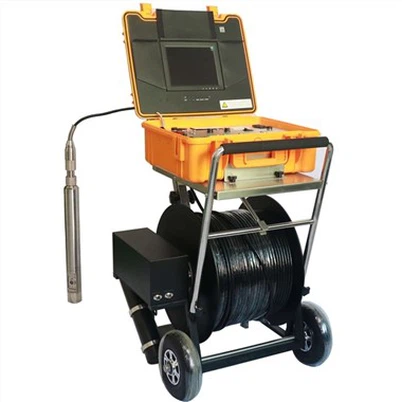
We have some really cool products in our ROV lineup. For instance, our Hot Sale Borehole Camera 360deg is a top - notch tool for borehole inspections. It can rotate 360 degrees, giving you a complete view of the borehole walls. This is super useful for detecting any cracks or other issues. Another great product is our Borehole Pipe Inspection Camera, which is designed specifically for inspecting pipes. It has high - definition video capabilities, so you can see every detail clearly. And then there's our 100m Underwater Vertical Observation Borehole AHD Waterproof Inspection Camera, which can go down to 100 meters underwater and provide excellent vertical observation of boreholes.
Now, let's move on to AUVs. AUVs are autonomous robots, which means they operate without direct human control. They're pre - programmed to carry out specific missions. Before deployment, scientists or operators input a set of instructions into the AUV's computer system. These instructions tell the AUV where to go, what to do, and when to come back.
AUVs are often used for large - scale oceanographic surveys. They can cover vast areas of the ocean floor, collecting data on things like water temperature, salinity, and the topography of the seabed. Since they don't need a tether, they can travel long distances and operate in areas that might be difficult or dangerous for ROVs. For example, they can explore deep - sea trenches or areas with strong ocean currents.
However, AUVs also have some limitations. Because they're pre - programmed, they're not as flexible as ROVs. If something unexpected happens during a mission, they might not be able to adapt quickly. For example, if they encounter an obstacle that wasn't in the original plan, they might not know how to deal with it. Also, since they operate autonomously, it can be difficult to get real - time feedback. You have to wait until the AUV returns to the surface to download and analyze the data it has collected.
In terms of cost, ROVs and AUVs also differ. ROVs are generally more affordable, especially for smaller operations. The cost of an ROV mainly depends on its size, capabilities, and the equipment it's equipped with. Our ROVs are priced competitively, making them a great option for businesses and research institutions on a budget. On the other hand, AUVs are usually more expensive. They require advanced technology for navigation and data collection, and the development and maintenance costs are higher.
Another difference is in the level of skill required to operate them. Operating an ROV requires some training, but it's not overly complicated. Our team provides training and support to our customers, so they can quickly learn how to use our ROVs effectively. With AUVs, though, the level of expertise needed is much higher. You need to have a good understanding of programming, oceanography, and robotics to operate and maintain an AUV.
When it comes to safety, both ROVs and AUVs have their own safety features. ROVs are connected to the surface via a tether, which provides a physical connection in case something goes wrong. If the ROV gets into trouble, the operator can pull it back to the surface. AUVs, on the other hand, are designed with safety protocols built into their programming. For example, they have emergency procedures that kick in if they detect a problem, like a low battery or a malfunction.

So, in summary, ROVs are great for tasks that require real - time control and flexibility. They're suitable for a wide range of applications, from small - scale inspections to scientific research. AUVs, on the other hand, are better for large - scale surveys and missions where long - distance travel and autonomous operation are required.
If you're in the market for an ROV for your underwater inspection or research needs, we'd love to hear from you. Whether you're a small business looking to inspect your underwater infrastructure or a research institution studying the ocean, our ROVs can provide the solution you're looking for. Get in touch with us to discuss your requirements and let's see how we can help you out.
References
- Oceanography textbooks on underwater robotics
- Industry reports on ROV and AUV technology
- Technical manuals of our ROV products