
How do I clean a snake camera?
Leave a message

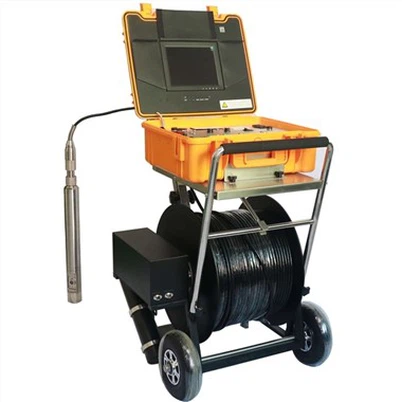
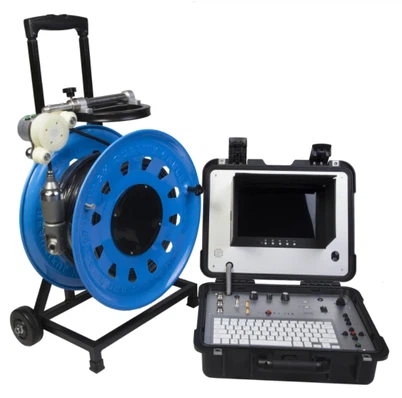
As a supplier of snake cameras, I understand the importance of keeping these essential tools in top - notch condition. Snake cameras, also known as borescopes, are widely used in various industries such as plumbing, automotive, and construction for inspecting hard - to - reach areas. Regular cleaning not only extends the lifespan of the camera but also ensures accurate and clear imaging. In this blog, I'll share with you a comprehensive guide on how to clean a snake camera.
Preparation
Before you start cleaning your snake camera, it's crucial to gather the necessary supplies. You'll need a soft, lint - free cloth, a mild cleaning solution (such as a mixture of water and a small amount of dish soap), cotton swabs, compressed air, and a clean, dry workspace. It's also a good idea to refer to the manufacturer's manual for any specific cleaning instructions related to your particular model.
Exterior Cleaning
The first step in cleaning a snake camera is to clean the exterior of the device. Start by powering off the camera and unplugging it from any power sources. Use a soft, lint - free cloth dampened with the mild cleaning solution to gently wipe the outer casing of the camera. Pay special attention to areas that may have come into contact with dirt, grease, or other contaminants, such as the handle and the control buttons.
For hard - to - reach areas or small crevices, use a cotton swab dipped in the cleaning solution. Be careful not to apply too much pressure, as you don't want to damage the delicate components of the camera. After wiping the exterior, use a dry part of the cloth to remove any excess moisture.
Lens Cleaning
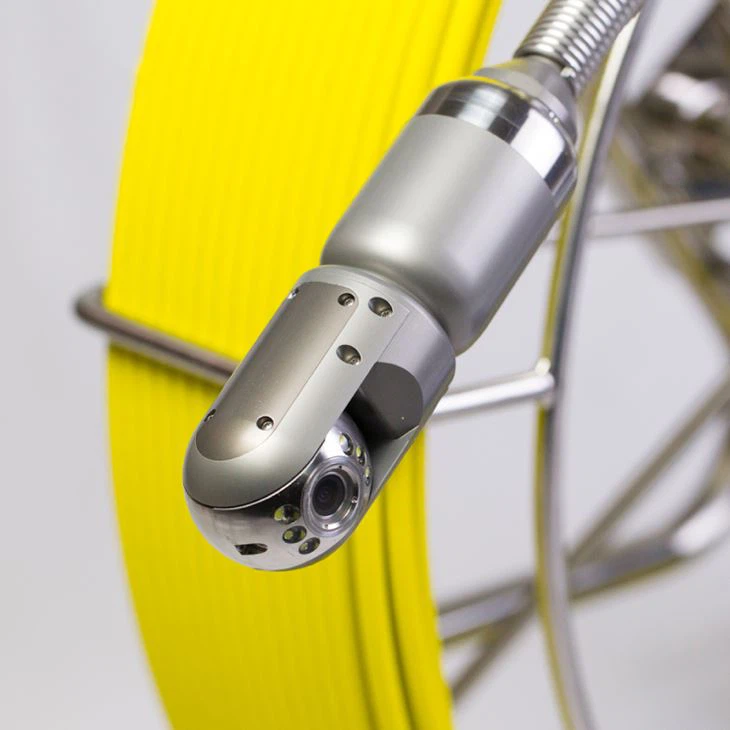
The lens is one of the most critical parts of the snake camera, as it directly affects the quality of the images and videos captured. To clean the lens, start by using compressed air to blow away any loose dust or debris. Hold the can of compressed air a few inches away from the lens and use short, quick bursts to avoid damaging the lens.
Next, moisten a corner of the lint - free cloth with a small amount of the cleaning solution. Gently wipe the lens in a circular motion, starting from the center and moving outward. Avoid using excessive pressure, as this can scratch the lens. If there are stubborn stains on the lens, you can use a specialized lens cleaning solution, but make sure it is safe for use on the type of lens your snake camera has.
After cleaning the lens, use a dry part of the cloth to buff it gently until it is completely dry and free of streaks. A clean lens will ensure that you get clear and sharp images during your inspections.
Cable Cleaning
The cable of the snake camera is another area that requires regular cleaning. The cable can accumulate dirt, grime, and moisture as it is inserted into pipes, ducts, and other tight spaces. Start by inspecting the cable for any visible signs of damage, such as cuts or fraying. If you notice any damage, it's important to have the cable repaired or replaced before using the camera again.
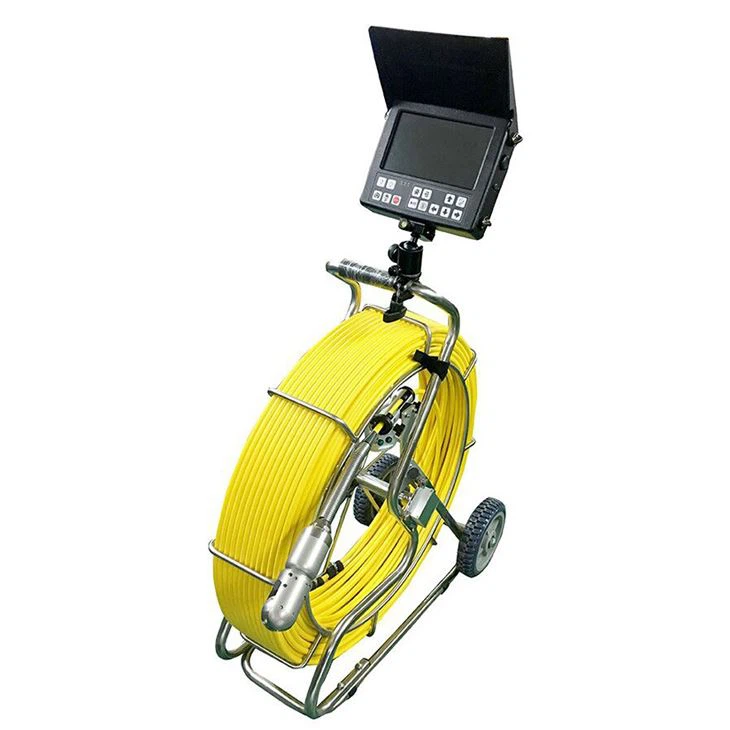
To clean the cable, use a soft cloth dampened with the mild cleaning solution. Gently wipe the cable from one end to the other, paying attention to any areas where dirt may be more concentrated. You can also use a cotton swab to clean around the connectors at the ends of the cable.
After wiping the cable, use a dry cloth to remove any remaining moisture. It's a good idea to let the cable air - dry completely before coiling it up for storage. Properly cleaning and maintaining the cable will prevent it from becoming stiff or brittle over time, which can affect its flexibility and performance.
Tip and Probe Cleaning
The tip and probe of the snake camera are often exposed to the harshest conditions during inspections. They can get covered in dirt, debris, and even biological matter. To clean the tip and probe, start by using compressed air to remove any loose particles.
Then, soak a cotton swab in the mild cleaning solution and carefully clean the tip and the surrounding area. Be gentle when cleaning around the camera sensor at the tip, as it is very delicate. If the tip and probe are particularly dirty, you may need to soak them in a container filled with the cleaning solution for a few minutes. However, make sure to check the manufacturer's instructions first, as some cameras may not be suitable for soaking.
After cleaning, rinse the tip and probe with clean water and dry them thoroughly with a lint - free cloth. This will help prevent the growth of bacteria and other microorganisms on the camera.
Storage
Proper storage is also an important part of keeping your snake camera clean and in good working condition. After cleaning, make sure the camera is completely dry before storing it. Coil the cable neatly, avoiding any sharp bends or kinks that could damage the internal wiring.
Store the snake camera in a clean, dry place, away from direct sunlight and extreme temperatures. You can use a protective case or a storage bag to keep the camera safe from dust and other contaminants. Regularly inspect the camera during storage to ensure that it remains in good condition.
Our Snake Camera Products
At our company, we offer a wide range of high - quality snake cameras to meet the diverse needs of our customers. For example, our Pan & Tilt Pipe Inspection Camera provides excellent maneuverability and clear imaging for pipe inspections. The Miniature Tilt Remote Control Device For Sewer Pipe Inspection Camera To Push Endoscope Rod is a great accessory that enhances the functionality of our sewer pipe inspection cameras. And our Rotating Pipe Sewer Drainage Inspection Camera offers a 360 - degree view, making it easier to detect problems in pipes and drainage systems.
Contact Us for Purchasing
If you're in the market for a new snake camera or need to restock your inventory, we'd love to hear from you. Our team of experts can help you choose the right snake camera for your specific requirements. Whether you're a professional plumber, an automotive technician, or a construction worker, we have the perfect solution for you. Contact us to start a purchasing negotiation, and let us help you find the best snake camera for your needs.
References
- Manufacturer's manuals of snake cameras
- Industry best practices for borescope maintenance and cleaning
In conclusion, cleaning a snake camera is a relatively straightforward process that can significantly improve its performance and lifespan. By following the steps outlined in this guide and using the right cleaning supplies, you can keep your snake camera in excellent condition. And if you're looking for a reliable snake camera supplier, don't hesitate to reach out to us. We're committed to providing you with high - quality products and exceptional customer service.