
How do I protect the camera head of a snake camera?
Leave a message

As a supplier of snake cameras, I understand the importance of protecting the camera head, which is the most critical and vulnerable part of the device. In this blog, I'll share some effective ways to safeguard the camera head of a snake camera, ensuring its longevity and optimal performance.
Understanding the Importance of Camera Head Protection
The camera head of a snake camera is responsible for capturing clear images and videos inside pipes, ducts, or other confined spaces. Any damage to the camera head can lead to blurry or distorted visuals, rendering the snake camera ineffective. Moreover, repairing or replacing a damaged camera head can be costly and time - consuming. Therefore, taking proactive measures to protect the camera head is essential.
Choose the Right Snake Camera for the Job
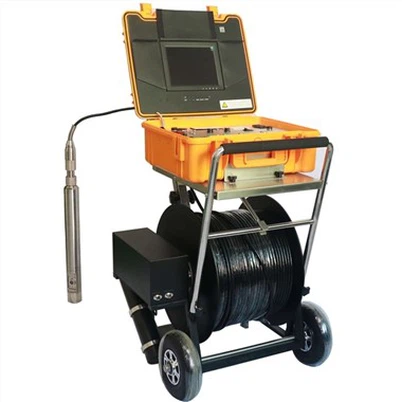
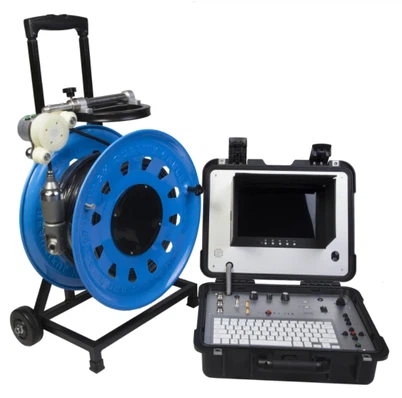
Selecting the appropriate snake camera for the specific inspection task is the first step in protecting the camera head. Different environments and applications require different types of snake cameras. For example, if you need to inspect underwater wells, the Underwater Wells 10 Inch Screen Pipe Camera is designed to withstand the challenging conditions underwater. Its waterproof and pressure - resistant design helps protect the camera head from water damage and other underwater hazards.
Similarly, for chimney inspections, the Pipe CCTV Chimney Inspection Camera is equipped with features that make it suitable for the high - temperature and soot - filled environment of chimneys. Using the right camera for the job reduces the risk of damage to the camera head caused by unsuitable conditions.
Use Protective Accessories
There are various protective accessories available that can significantly enhance the durability of the camera head.
Camera Shields
A camera shield is a simple yet effective accessory that can protect the camera head from physical impacts. It acts as a buffer between the camera head and hard surfaces, preventing scratches and cracks. Camera shields are usually made of durable materials like plastic or rubber and can be easily attached to the camera head.
Protective Lenses
Investing in high - quality protective lenses is another great way to safeguard the camera head. These lenses are designed to resist scratches, abrasions, and chemical damage. They can be easily cleaned and replaced if necessary, ensuring that the camera head always has a clear view.
Shock - Absorbing Mounts
Shock - absorbing mounts are designed to reduce the impact of vibrations and sudden movements on the camera head. When the snake camera is being maneuvered through pipes or other tight spaces, it may encounter bumps and jolts. A shock - absorbing mount helps to dampen these shocks, protecting the delicate internal components of the camera head.
Proper Handling and Storage
How you handle and store the snake camera also plays a crucial role in protecting the camera head.
Gentle Maneuvering
When using the snake camera, always handle it with care. Avoid rough handling or sudden jerks, as these can cause damage to the camera head. When inserting or removing the camera from pipes, do it slowly and steadily to prevent the camera head from hitting the walls of the pipe.
Correct Storage
Proper storage is essential to prevent damage to the camera head when the snake camera is not in use. Store the snake camera in a clean, dry place away from direct sunlight and extreme temperatures. You can use a dedicated storage case to protect the camera head from dust, moisture, and physical damage. Make sure to coil the cable neatly to avoid kinks, which can also affect the camera head's performance.
Regular Maintenance and Cleaning
Regular maintenance and cleaning are necessary to keep the camera head in good working condition.
Cleaning the Camera Head
Clean the camera head regularly to remove dirt, debris, and other contaminants. Use a soft, lint - free cloth and a mild cleaning solution to gently wipe the camera lens. Avoid using abrasive materials or harsh chemicals, as these can damage the lens. Make sure to dry the camera head thoroughly after cleaning to prevent water damage.
Inspecting for Damage
Periodically inspect the camera head for any signs of damage, such as cracks, scratches, or loose connections. If you notice any damage, address it immediately. Minor damage can often be repaired, but more significant damage may require professional assistance or a replacement of the camera head.


Training and Education
Proper training of the operators is essential for protecting the camera head. Educate your team on the correct use, handling, and maintenance of the snake camera. Provide them with detailed instructions on how to maneuver the camera, use the protective accessories, and perform regular maintenance tasks. Well - trained operators are less likely to cause damage to the camera head through improper use.
Conclusion
Protecting the camera head of a snake camera is crucial for ensuring its long - term performance and reliability. By choosing the right snake camera for the job, using protective accessories, handling and storing the camera properly, performing regular maintenance and cleaning, and providing adequate training to the operators, you can significantly extend the lifespan of the camera head.
If you are interested in purchasing high - quality snake cameras or need more information about protecting the camera head, please feel free to contact us for procurement and further discussions. We are committed to providing you with the best products and solutions for your inspection needs.
References
- Industry standards for snake camera manufacturing and usage.
- Manufacturer's guidelines for snake camera maintenance and protection.