
Can a hand winch be used for pulling a shed?
Leave a message

A hand winch is a versatile tool that has been used in various industries and applications for centuries. Its simple yet effective design allows it to perform tasks that require pulling, lifting, or tensioning heavy loads with relative ease. One question that often arises is whether a hand winch can be used for pulling a shed. In this blog post, we'll explore the feasibility of using a hand winch for this purpose, considering factors such as the shed's size, weight, and the terrain. As a hand winch supplier, I'll also provide some insights into choosing the right hand winch for the job.
Understanding the Basics of a Hand Winch
Before delving into the specifics of using a hand winch to pull a shed, it's essential to understand how a hand winch works. A hand winch typically consists of a drum around which a cable or rope is wound, a handle for manual operation, and a gear mechanism that provides mechanical advantage. When the handle is turned, the drum rotates, either winding or unwinding the cable, allowing the user to pull or release a load.
The mechanical advantage provided by the gear mechanism is what makes hand winches so useful. It allows the user to exert a relatively small amount of force over a longer distance to move a much heavier load over a shorter distance. This principle is crucial when considering whether a hand winch can handle the task of pulling a shed.
Factors to Consider When Pulling a Shed with a Hand Winch
Size and Weight of the Shed
The first and most critical factor to consider is the size and weight of the shed. Smaller, lightweight sheds made of materials like plastic or thin metal may be more manageable to pull with a hand winch. These sheds can weigh anywhere from a few hundred pounds to a couple of thousand pounds. On the other hand, larger, more substantial sheds constructed from wood or metal framing with thick siding can weigh several thousand pounds or more.
As a general rule, the weight of the shed should be within the rated capacity of the hand winch. Most hand winches have a specified working load limit (WLL), which indicates the maximum weight they can safely handle. It's crucial to choose a hand winch with a WLL that exceeds the weight of the shed to ensure safe and efficient operation.
Terrain and Surface Conditions
The terrain over which the shed will be pulled is another important consideration. A smooth, flat surface, such as a concrete driveway or a well - groomed lawn, will require less force to move the shed compared to a rough, uneven, or sloped surface. If the ground is soft or muddy, the shed may sink, increasing the resistance and making it more difficult to pull.

In some cases, it may be necessary to prepare the surface before attempting to pull the shed. This could involve laying down a smooth, hard surface like plywood or using rollers to reduce friction.
Attachment Points
Proper attachment points are essential for safely pulling a shed with a hand winch. The cable or rope of the hand winch must be securely attached to the shed in a way that distributes the pulling force evenly. Weak or poorly attached points can cause the shed to break apart or the cable to come loose during the pulling process.
It's also important to ensure that the attachment points on the shed are strong enough to withstand the pulling force. Reinforcing the attachment points with additional bracing or hardware may be necessary, especially for larger or heavier sheds.
Choosing the Right Hand Winch
Capacity
As mentioned earlier, the capacity of the hand winch is crucial. When selecting a hand winch for pulling a shed, it's advisable to choose one with a WLL that is at least 1.5 to 2 times the weight of the shed. This provides a safety margin and ensures that the winch can handle any unexpected resistance or additional forces during the pulling process.
Cable or Rope Length
The length of the cable or rope on the hand winch is also an important consideration. You'll need enough length to reach from the winch to the shed and to allow for the distance the shed needs to be pulled. Make sure to choose a hand winch with a cable or rope length that is sufficient for your specific needs.
Gear Ratio
The gear ratio of the hand winch determines the amount of mechanical advantage it provides. A higher gear ratio means that less force is required to turn the handle, but the winch will operate more slowly. For pulling a heavy shed, a hand winch with a higher gear ratio may be more suitable, as it will make it easier to generate the necessary pulling force.
Step - by - Step Guide to Pulling a Shed with a Hand Winch
Step 1: Prepare the Shed
Before attaching the hand winch, make sure the shed is empty and any loose items are removed. Check the shed for any structural damage or weak points and reinforce them if necessary. Identify suitable attachment points on the shed and ensure they are strong enough to handle the pulling force.
Step 2: Set Up the Hand Winch
Choose a stable and secure anchor point for the hand winch. This could be a large tree, a heavy post, or a vehicle. Make sure the anchor point is firmly rooted or secured to prevent it from moving during the pulling process. Attach the hand winch to the anchor point using a suitable mounting bracket or hardware.
Step 3: Attach the Cable or Rope to the Shed
Run the cable or rope from the hand winch to the shed and attach it securely to the pre - identified attachment points. Make sure the cable is straight and free of any kinks or tangles.
Step 4: Begin Pulling
Slowly turn the handle of the hand winch to start pulling the shed. Be prepared for some initial resistance, especially if the shed is heavy or the surface is rough. As the shed starts to move, continue turning the handle steadily, paying close attention to the tension on the cable and the movement of the shed.
Step 5: Monitor the Process
Throughout the pulling process, monitor the shed for any signs of damage or instability. If you encounter any problems, such as the shed getting stuck or the cable coming loose, stop immediately and assess the situation. Make any necessary adjustments before continuing.
Additional Considerations and Safety Precautions
Safety Gear
When working with a hand winch to pull a shed, it's important to wear appropriate safety gear, such as gloves, safety glasses, and sturdy footwear. Gloves will protect your hands from the cable or rope, while safety glasses will prevent any debris from getting into your eyes.
Backup Plan
Have a backup plan in case the hand winch fails or the shed becomes stuck. This could involve having additional equipment, such as a come - along or a vehicle with a towing capacity, on standby.
Legal Considerations
Before moving a shed, check with your local authorities to ensure that you have the necessary permits. There may be regulations regarding the movement of structures on your property, especially if the shed is large or if it needs to cross public roads.
Related Products for Inspection
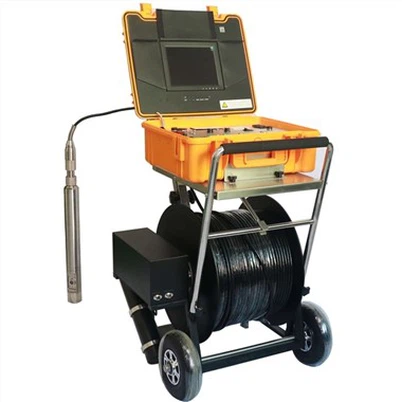
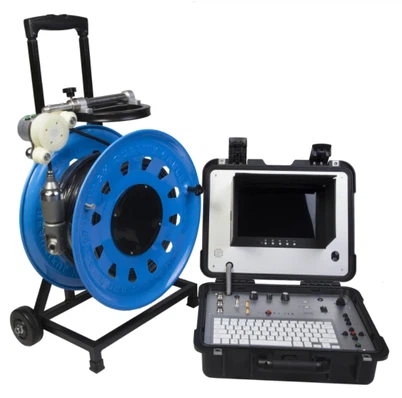
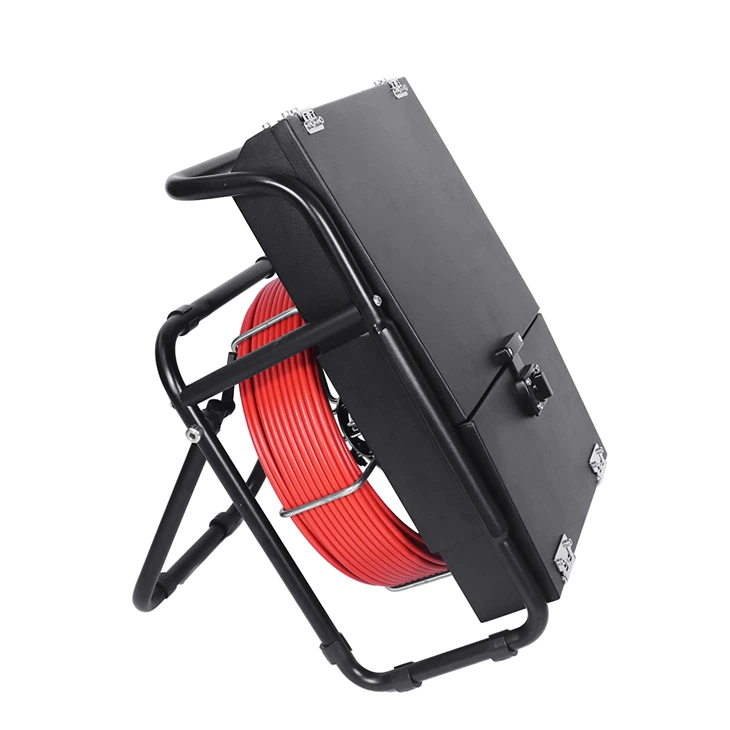
If you're involved in shed construction or maintenance, you might also be interested in some of our related products. For example, the 33mm Pipe Sewer Drain Camera can be used to inspect underground pipes around the shed area. The HD Underwater Pipe Inspection Camera is ideal for checking pipes in wet or submerged conditions. And if you have a swimming pool near the shed, the Underwater Dome HD Swimming Pool Observation Camera can help you monitor the pool's condition.
Conclusion
In conclusion, a hand winch can be used to pull a shed, but it depends on several factors, including the size and weight of the shed, the terrain, and the proper selection of the hand winch. By carefully considering these factors and following the steps outlined in this blog post, you can safely and effectively use a hand winch to move a shed.
If you're in the market for a hand winch or have any questions about using a hand winch for pulling a shed, please feel free to contact us for more information and to discuss your specific requirements. We're here to help you choose the right hand winch for your needs and ensure a successful project.
References
- "Hand Winches: A Practical Guide" - Industrial Tools Handbook
- "Shed Construction and Moving" - Home Improvement Magazine