
What types of batteries are used in ROV robots?
Leave a message

Hey there! As a supplier of ROV (Remotely Operated Vehicle) robots, I often get asked about the types of batteries used in these amazing machines. So, I thought I'd share some insights on this topic.
ROV robots are used in a variety of applications, from underwater exploration to industrial inspections. And the battery is a crucial component that powers these robots, allowing them to operate efficiently and effectively.
Lead - Acid Batteries
One of the most common types of batteries used in ROV robots is the lead - acid battery. These batteries have been around for a long time and are well - known for their reliability.
Lead - acid batteries are relatively inexpensive, which makes them an attractive option for many ROV manufacturers. They can deliver a high amount of current, which is important for powering the motors and other components of the ROV. However, they do have some drawbacks. They are quite heavy, which can limit the mobility and maneuverability of the ROV. Also, they have a relatively short lifespan compared to some other battery types. They need to be recharged regularly, and over time, the plates inside the battery can degrade, reducing its capacity.
Lithium - Ion Batteries
Lithium - ion batteries have become increasingly popular in ROV robots in recent years. These batteries offer several advantages over lead - acid batteries.
First of all, they are much lighter. This means that the ROV can be more agile and can operate for longer periods without being weighed down. Lithium - ion batteries also have a higher energy density, which means they can store more energy in a smaller space. This allows the ROV to have a longer operating time on a single charge.
Another great thing about lithium - ion batteries is their long lifespan. They can withstand a large number of charge - discharge cycles, which means you won't have to replace them as often. However, they are more expensive than lead - acid batteries. And they require a more sophisticated charging system to ensure their safety and longevity.
Nickel - Metal Hydride (NiMH) Batteries
NiMH batteries are another option for powering ROV robots. They are a good middle - ground between lead - acid and lithium - ion batteries.
NiMH batteries have a higher energy density than lead - acid batteries, so they can provide more power in a smaller package. They are also less expensive than lithium - ion batteries. They are relatively environmentally friendly compared to lead - acid batteries, as they don't contain heavy metals like lead.
However, NiMH batteries have a self - discharge rate, which means they will lose their charge over time even when not in use. This can be a bit of a hassle, especially if you don't use the ROV regularly. Also, they don't have as long a lifespan as lithium - ion batteries.
Factors to Consider When Choosing a Battery for ROV Robots
When choosing a battery for an ROV robot, there are several factors to consider.
The first factor is the power requirements of the ROV. Different ROVs have different power needs depending on their size, the number of motors, and the additional equipment they carry. For example, an ROV used for deep - sea exploration with high - powered lights and sensors will need a battery with a high capacity and the ability to deliver a large amount of current.
The operating time is also an important consideration. If you need the ROV to operate for long periods without recharging, a battery with a high energy density like a lithium - ion battery would be a good choice.
The weight of the battery is crucial, especially for smaller and more agile ROVs. A heavy battery can make the ROV slower and more difficult to control.
Cost is always a factor. If you're on a tight budget, a lead - acid battery might be the way to go. But if you can afford it, investing in a lithium - ion battery can save you money in the long run due to its longer lifespan.


Our Company's Approach
At our company, we understand the importance of choosing the right battery for our ROV robots. We offer a range of ROVs with different battery options to meet the diverse needs of our customers.
For customers who need a cost - effective solution for short - term or less demanding applications, we recommend ROVs equipped with lead - acid batteries. These ROVs are reliable and can get the job done in many situations.
If you're looking for high - performance and long - lasting operation, our lithium - ion battery - powered ROVs are the way to go. They offer superior performance and can handle even the most challenging tasks.
And for those who want a balance between cost and performance, our NiMH - powered ROVs are a great option.
Related Products
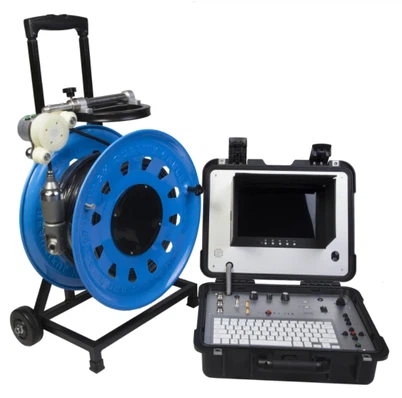
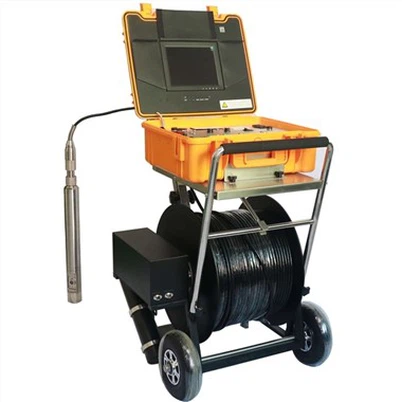
In addition to our ROV robots, we also offer some related products that can enhance the functionality of the ROV. Check out our Well Inspection Dual View Camera System, which is perfect for inspecting underwater wells. Our Hot Sale Borehole Camera 360deg provides a comprehensive view of boreholes, and the Borehole Pipe Inspection Camera is great for inspecting pipes.
Let's Connect
If you're interested in our ROV robots or have any questions about the battery options, don't hesitate to reach out. We're here to help you find the perfect solution for your needs. Whether you're a researcher, an industrial inspector, or just someone interested in underwater exploration, we have an ROV that's right for you.
References
- Linden, D., & Reddy, T. B. (2002). Handbook of Batteries. McGraw - Hill.
- Wang, C. Y., & Xia, J. (2019). Lithium - Ion Batteries: Science and Technologies. Springer.