

What software is needed for a pipe camera?
Leave a message

When it comes to pipe inspection, a pipe camera is an indispensable tool. However, for a pipe camera to function effectively and provide accurate, detailed information, appropriate software is essential. As a pipe camera supplier, I've had the opportunity to explore and understand the various software requirements for these devices. In this blog post, I'll delve into the types of software needed for a pipe camera and how they contribute to the overall inspection process.
1. Operating System Software
The foundation of any pipe camera system is its operating system software. This software manages the basic functions of the camera, such as power management, hardware control, and user interface interaction. Just like a computer or a smartphone, a pipe camera needs an operating system to run smoothly.
Most modern pipe cameras are equipped with custom - developed operating systems that are optimized for the specific hardware of the camera. These operating systems are designed to be lightweight and efficient, ensuring that the camera can operate for extended periods without draining the battery quickly. They also provide a stable platform for other software applications to run on.
For example, some pipe cameras use a Linux - based operating system. Linux is open - source, which means that developers can customize it to meet the specific needs of the pipe camera. It is also known for its stability and security, making it a reliable choice for industrial applications.
2. Image and Video Capture Software
One of the primary functions of a pipe camera is to capture images and videos of the inside of pipes. Image and video capture software is responsible for controlling the camera's sensor, adjusting settings such as focus, exposure, and white balance, and saving the captured media to a storage device.
This software often comes with features that enhance the quality of the captured images and videos. For instance, it may have digital zoom capabilities, allowing inspectors to get a closer look at specific areas of the pipe. Some software also supports high - definition (HD) or even 4K video recording, providing clear and detailed visuals of the pipe's interior.
In addition to basic capture functions, the software may offer features like time - stamping and annotation. Time - stamping helps in keeping track of when the inspection was carried out, while annotation allows inspectors to add notes and comments to the captured media. This information can be crucial for reporting and analysis later on.
3. Data Management Software
Once the images and videos are captured, they need to be organized and managed effectively. Data management software helps in storing, categorizing, and retrieving the inspection data.
This software typically provides a user - friendly interface for browsing through the captured media. It may allow users to create folders and sub - folders based on different criteria, such as the location of the pipe, the date of inspection, or the type of issue detected.
Furthermore, data management software often includes search and filtering capabilities. Inspectors can search for specific images or videos by keywords, dates, or other metadata. This makes it easy to find relevant information quickly, especially when dealing with large volumes of inspection data.
4. Analysis and Reporting Software
After the inspection is complete, the data needs to be analyzed and reported. Analysis and reporting software plays a vital role in this process.
This software can provide tools for measuring distances, detecting defects, and assessing the condition of the pipe. For example, it may have algorithms that can detect cracks, corrosion, or blockages in the pipe based on the patterns and colors in the images and videos.
Once the analysis is done, the software can generate detailed reports. These reports can include summaries of the inspection findings, images and videos of the detected issues, and recommendations for further action. The reports can be customized to meet the specific requirements of the client or regulatory authorities.
5. Compatibility with Different Pipe Camera Models
As a pipe camera supplier, I understand that different customers may have different needs and preferences when it comes to pipe cameras. That's why the software should be compatible with a wide range of pipe camera models.
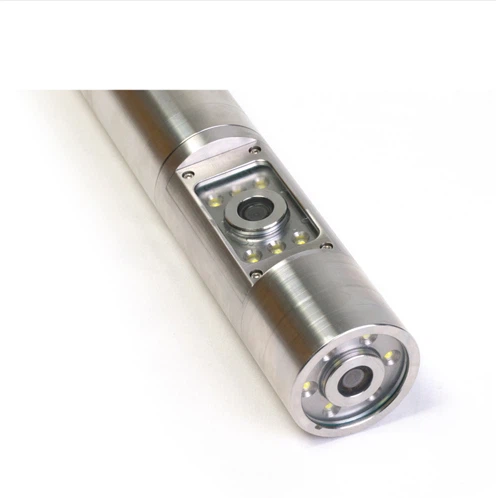
Whether it's a Flexible Cable Industrial Borehole Camera, a Borehole Water Well Camera, or a Borehole Deep Water Inspection Camera, the software should be able to work seamlessly with them. This ensures that customers can choose the pipe camera that best suits their needs without having to worry about software compatibility issues.
6. Integration with Other Systems
In addition to working with different pipe camera models, the software may also need to integrate with other systems. For example, it may need to integrate with a customer relationship management (CRM) system to manage customer information and inspection records. It could also integrate with a geographic information system (GIS) to map the location of the pipes and the inspection results.
Integration with other systems can streamline the inspection process and improve the overall efficiency of the business. It allows for better data sharing and collaboration between different departments and stakeholders.

7. Remote Access and Control Software
In today's digital age, remote access and control capabilities are becoming increasingly important. Remote access and control software allows inspectors to operate the pipe camera and access the inspection data from a remote location.
This can be particularly useful in situations where the pipes are located in hard - to - reach or hazardous areas. Inspectors can control the camera from a safe distance, reducing the risk of injury. Remote access also enables real - time collaboration between multiple inspectors or experts, who can provide guidance and advice during the inspection process.
Conclusion
In conclusion, a variety of software is needed for a pipe camera to function effectively. From the operating system software that provides the foundation, to the image and video capture software, data management software, analysis and reporting software, and more, each type of software plays a crucial role in the pipe inspection process.
As a pipe camera supplier, I am committed to providing high - quality pipe cameras along with the necessary software to meet the diverse needs of our customers. If you are interested in purchasing a pipe camera or have any questions about the software requirements, please feel free to contact us for a detailed discussion and procurement negotiation. We look forward to working with you to find the best solutions for your pipe inspection needs.
References
- "Pipe Inspection Technology: A Comprehensive Guide", Industry Research Report, 2023
- "Software Development for Industrial Imaging Devices", Journal of Industrial Technology, Vol. 15, Issue 3, 2022


