
What scientific research fields can an ROV robot be applied to?
Leave a message

Hey there! As a supplier of ROV (Remotely Operated Vehicle) robots, I've seen firsthand the incredible potential these machines have across various scientific research fields. In this blog post, I'm gonna take you through some of the key areas where ROV robots can make a real difference.
Marine Biology
Marine biology is one of the most obvious fields where ROV robots shine. The ocean is a vast and mysterious place, and a large part of it remains unexplored. ROVs can reach depths that are difficult or dangerous for human divers to access. They're equipped with high - resolution cameras that can capture detailed images and videos of marine life in their natural habitats.
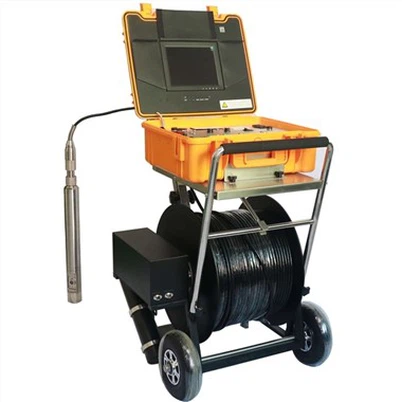
For instance, scientists can use ROVs to study deep - sea creatures that are adapted to extreme pressure, low temperatures, and complete darkness. These robots can follow the movement patterns of whales, dolphins, and other large marine mammals without disturbing them. With the 100m Underwater Vertical Observation Borehole AHD Waterproof Inspection Camera attached to an ROV, researchers can get a clear view of the underwater environment, helping them to identify new species, understand their behavior, and track population changes over time.
Oceanography
Oceanography is all about studying the physical, chemical, and biological aspects of the ocean. ROVs play a crucial role in this field. They can be used to measure water temperature, salinity, and density at different depths. By collecting water samples using specialized equipment on the ROV, scientists can analyze the chemical composition of the ocean, which is important for understanding climate change and the carbon cycle.
ROVs can also map the ocean floor. The high - precision sonar systems on these robots can create detailed 3D maps of underwater mountains, trenches, and volcanoes. This information helps us understand the geological processes that shape the ocean floor and how they might be related to earthquakes and tsunamis.
Archaeology
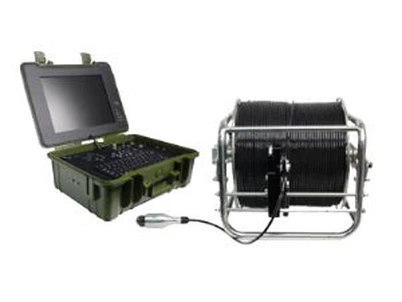
Underwater archaeology is another area where ROV robots are extremely useful. There are countless shipwrecks and ancient settlements lying at the bottom of the ocean, waiting to be discovered. ROVs can be sent to these sites to conduct initial surveys. The Water Pipe Inspection Camera can be used to inspect the interior of sunken ships or other archaeological structures, looking for artifacts and clues about the past.
These robots can operate in areas with poor visibility, where human divers would have a hard time. They can document the condition of the archaeological sites, helping archaeologists plan their excavation and preservation efforts more effectively. By using ROVs, we can uncover new chapters in human history that were previously hidden beneath the waves.
Environmental Monitoring
In the fight against environmental degradation, ROVs are valuable tools. They can be used to monitor the health of coral reefs, which are under threat from climate change, pollution, and overfishing. ROVs can take images of the coral reefs over time, allowing scientists to detect signs of bleaching or other forms of damage.
They can also be used to monitor the impact of oil spills and other forms of pollution in the ocean. The Oil Well Downhole Inspection Camera can be used to inspect oil wells and pipelines for leaks. By quickly detecting and responding to environmental threats, we can minimize the damage to the marine ecosystem.
Hydrothermal Vent Research
Hydrothermal vents are like underwater geysers that release hot, mineral - rich water into the ocean. These vents support unique ecosystems that are completely different from the rest of the ocean. ROVs are essential for studying these extreme environments. They can withstand the high temperatures and pressures near the vents and collect samples of the strange organisms that live there.
Scientists believe that the study of hydrothermal vents could provide insights into the origin of life on Earth and the possibility of life on other planets. ROVs allow us to get up close and personal with these fascinating ecosystems, helping us to unlock the secrets of the deep.
Fisheries Research
For the fishing industry, ROVs can be used to assess fish stocks. By surveying fish populations in different areas of the ocean, we can determine the size and health of the stocks. This information is crucial for sustainable fishing practices. ROVs can also be used to study the behavior of fish, such as their migration patterns and spawning grounds.


Volcanology (Underwater Volcanoes)
Underwater volcanoes are a relatively new area of study, and ROVs are making it possible to explore them. These robots can be sent to the sites of underwater volcanic eruptions to collect data on the volcanic activity. They can measure the temperature of the lava, the composition of the gases being released, and the impact of the eruption on the surrounding marine environment.
If You're Interested in ROVs
If you're involved in any of these scientific research fields and think an ROV robot could be a valuable addition to your team, I'd love to hear from you. Whether you need a basic ROV for simple inspections or a more advanced model with specialized equipment, we've got you covered. Just reach out to start a conversation about your specific needs, and we can work together to find the perfect solution for your research projects.
References
- National Oceanic and Atmospheric Administration (NOAA). "Ocean Exploration."
- Marine Technology Society. "Advances in Underwater Robotics."
- Journal of Archaeological Science: Reports. "Underwater Archaeology and the Use of ROVs."