
What safety features do ROV robots have?
Leave a message

Hey there! As a supplier of ROV (Remotely Operated Vehicle) robots, I'm super excited to share with you all the awesome safety features these amazing machines come with. ROVs are used in a wide range of industries, from underwater exploration to industrial inspections, and safety is always a top priority.
First off, let's talk about the physical design of ROV robots. These bad boys are built tough. They're usually made from high - strength materials like titanium or aluminum alloys. This not only makes them durable enough to withstand the harsh underwater environment but also protects the delicate internal components. For example, when an ROV is sent down to the deep sea, it has to deal with extreme pressure. The strong outer casing acts as a shield, preventing the pressure from crushing the electronics inside.
Another important safety feature is the buoyancy control system. ROVs need to be stable in the water, and the buoyancy control helps with that. It allows the operator to adjust the ROV's position in the water column easily. If the ROV starts to sink too fast, the buoyancy system can be adjusted to increase the upward force, bringing it back to a safe depth. On the other hand, if it's floating too high, the system can reduce the buoyancy. This is crucial for maintaining the ROV's stability and preventing it from hitting the surface or the seabed accidentally.
Now, let's get into the communication and navigation systems. ROVs are connected to the surface through a tether, which is like a lifeline. This tether not only provides power to the ROV but also allows for data transfer. The communication system ensures that the operator on the surface can send commands to the ROV and receive real - time feedback. It's like having a direct line of communication with an underwater buddy.
The navigation system is also a key safety feature. Most ROVs are equipped with sensors such as sonar and depth sensors. Sonar helps the ROV detect objects in the water around it. This is especially important when the visibility is low, like in murky waters. The depth sensor, as the name suggests, tells the operator how deep the ROV is. With this information, the operator can make sure the ROV doesn't go beyond its safe operating depth.
Emergency stop buttons are a must - have safety feature. Just like in any other machinery, there are times when things can go wrong. In case of an emergency, the operator can press the emergency stop button, which immediately shuts down the ROV's motors. This prevents any further damage or dangerous situations.
Some ROVs also come with redundant systems. Redundancy means having backup systems in place. For example, if the primary thruster fails, there's a secondary thruster that can take over. This ensures that the ROV can still be controlled and brought back to the surface safely.
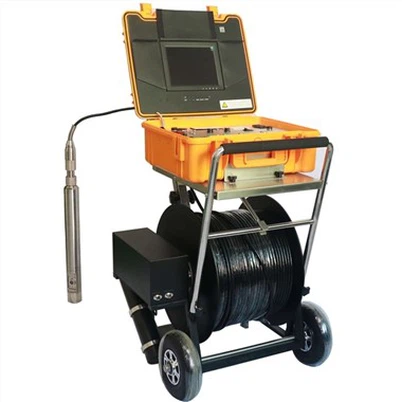
Let's take a look at the cameras on ROVs. Cameras are not only useful for inspections but also for safety. They give the operator a clear view of the underwater environment. You can check out our Deep Well Camera Drilling Inspection Camera which provides high - quality images and videos. This helps in avoiding obstacles and also in identifying any potential hazards.
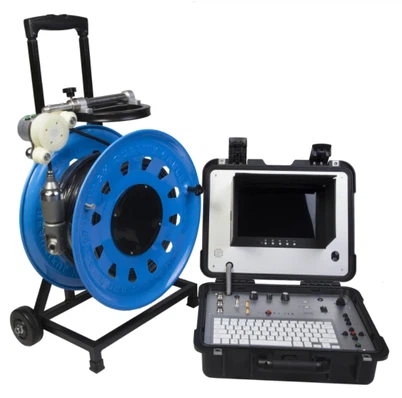
Our Well video 8 inch HD dual camera rotating probe deep well camera drilling inspection camera is another great option. The dual - camera setup and the rotating probe give a more comprehensive view of the area being inspected. This is really helpful in ensuring that the ROV doesn't miss any important details and can operate safely.
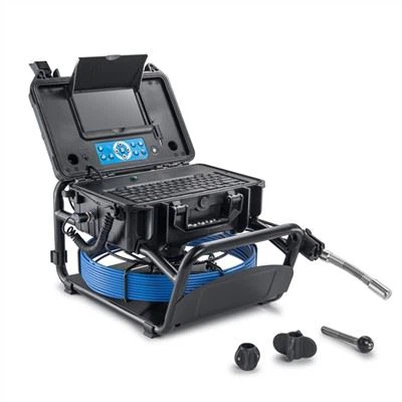
The Borehole Pipe Inspection Camera is also an important part of our ROV safety features. It allows for detailed inspection of pipes, which is crucial in industries like oil and gas. By detecting any leaks or damages early, we can prevent potential disasters.
In addition to these features, we also provide training for operators. We believe that a well - trained operator is the key to safe ROV operation. Our training programs cover everything from basic ROV controls to emergency procedures.


So, if you're in the market for an ROV robot, you now know all the amazing safety features these machines come with. Whether you're involved in underwater research, industrial inspections, or any other application, safety should always be your top concern. And that's where our ROVs shine.
If you're interested in learning more about our ROV robots or want to discuss a potential purchase, feel free to reach out. We're always happy to have a chat and help you find the perfect ROV for your needs.
References:
- General knowledge of ROV technology and safety standards in the industry.