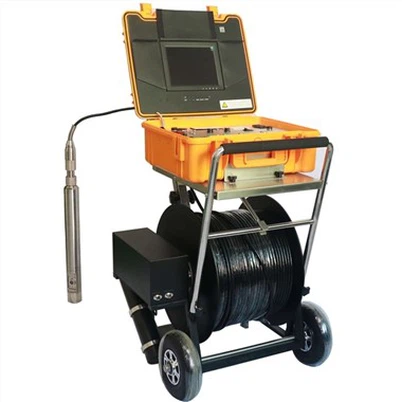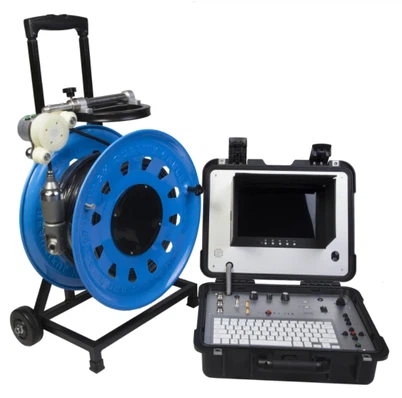

What is the video frame rate options of wells camera?
Leave a message

Hey there! As a supplier of Wells Camera, I'm super stoked to chat with you about the video frame rate options of our amazing cameras. Frame rate is a big deal when it comes to capturing clear and smooth footage, whether you're using our cameras for borehole inspections, industrial applications, or any other tasks.
Let's start by breaking down what frame rate actually means. In simple terms, frame rate refers to the number of individual frames or images that a camera captures per second (fps). The higher the frame rate, the smoother the video will appear. It's like the difference between watching a slideshow and a high - speed action movie.
Our Wells Cameras come with a variety of frame rate options to suit different needs. For general borehole inspections, a frame rate of 25fps or 30fps is often a great choice. This is the standard frame rate for most video content, and it provides a good balance between smoothness and file size. When you're using our Borehole Water Well Camera to check the condition of a water well, a 25fps or 30fps frame rate will give you clear and fluid footage of the well walls, pipes, and any potential issues.
If you're dealing with fast - moving objects or need to capture high - speed events inside the borehole, you might want to consider a higher frame rate. Our cameras can support frame rates up to 60fps or even 120fps in some models. For example, if there's a sudden flow of water or debris in the well, a higher frame rate will ensure that you don't miss any details. The Flexible Cable Industrial Borehole Camera is a great option for these types of scenarios. With its high - speed frame rate capabilities, it can capture fast - paced action with incredible clarity.
On the other hand, if you're more concerned about conserving storage space or bandwidth, a lower frame rate might be the way to go. A frame rate of 15fps can still provide usable footage, especially for static or slow - moving scenes. This can be useful if you're doing long - term monitoring of a borehole and don't need to capture every single detail in high - speed. The Borewell Inspection Camera can be configured to operate at lower frame rates to meet these requirements.
Now, let's talk about how frame rate affects the overall quality of the video. A higher frame rate not only makes the video look smoother but also allows for more accurate analysis. When you're inspecting a borehole, you might need to look for small cracks, corrosion, or other signs of damage. A higher frame rate gives you more frames to work with, which means you can zoom in and examine the footage in greater detail.
Another factor to consider is the lighting conditions inside the borehole. In low - light situations, a higher frame rate can sometimes result in a darker image because the camera has less time to capture light in each frame. Our Wells Cameras are equipped with advanced low - light compensation technology to mitigate this issue. They can adjust the exposure settings automatically to ensure that you get clear and well - lit footage, regardless of the frame rate you choose.
When it comes to choosing the right frame rate for your Wells Camera, it really depends on your specific application. Here are some tips to help you make the decision:
- Understand your purpose: If you're just doing a basic inspection to get an overview of the borehole, a standard 25fps or 30fps frame rate will probably be sufficient. But if you're looking for detailed analysis or need to capture fast - moving objects, go for a higher frame rate.
- Consider storage and bandwidth: Higher frame rates mean larger file sizes, which can quickly eat up your storage space. If you're limited on storage or have a slow internet connection for uploading the footage, a lower frame rate might be more practical.
- Test different frame rates: Before starting a big project, it's a good idea to test out different frame rates in a similar environment. This will give you a better idea of how each frame rate affects the quality of the footage and which one works best for your needs.
In conclusion, our Wells Cameras offer a wide range of frame rate options to meet the diverse needs of our customers. Whether you're a well - drilling company, an industrial inspector, or someone who just wants to keep an eye on their borehole, we've got the right camera and frame rate for you.
If you're interested in learning more about our Wells Cameras and their frame rate options, or if you're ready to make a purchase, don't hesitate to reach out. We're here to help you find the perfect solution for your borehole inspection needs. Just drop us a message, and our team of experts will be in touch to discuss your requirements and guide you through the purchasing process.

References
- General knowledge of camera technology and borehole inspection practices.