
What is the noise level of the images from a snake camera?
Leave a message

Noise in images from a snake camera is an important factor that can significantly impact the effectiveness of inspection and analysis. As a snake camera supplier, understanding the noise level of the images our cameras produce is essential for ensuring high - quality results for our customers.
First, let's define what image noise is. In the context of snake cameras, image noise refers to the random variations in pixel values that are not part of the intended image. These variations can appear as speckles, dots, or grainy patterns in the captured image. There are several types of noise that can affect snake camera images.
One of the most common types is thermal noise. This type of noise is generated by the heat within the camera's image sensor. The movement of electrons within the sensor due to thermal energy causes random fluctuations in the pixel values. As the temperature of the sensor increases, so does the thermal noise level. For snake cameras that are often used in harsh environments, such as high - temperature pipes, thermal noise can be a significant issue.
Shot noise is another prominent type of noise in snake camera images. It is related to the fundamental nature of light and the way it is detected by the sensor. Light is made up of photons, and the arrival of photons at the sensor is a random process. When there are fewer photons (in low - light situations, which are common in some pipe - inspection scenarios), the randomness becomes more apparent, resulting in shot noise. This noise can make it difficult to distinguish fine details in the image.
Another source of noise is read noise. This noise occurs when the electrical signals from the image sensor are read out and converted into digital data. Imperfections in the read - out circuit can introduce random variations in the signal, leading to read noise. The design and quality of the camera's electronics play a crucial role in determining the level of read noise.
The noise level of snake camera images can be measured in several ways. One common metric is the signal - to - noise ratio (SNR). The SNR is defined as the ratio of the signal strength (the intended image information) to the noise strength. A higher SNR indicates a cleaner image with less noise. For example, if the signal from a well - lit object in the pipe is strong compared to the background noise, the SNR will be high, and the image will be clear and easy to analyze.
To measure the SNR of a snake camera, we typically take a series of test images in a controlled environment. One method involves capturing an image of a uniform - colored target. The average pixel value of the target is taken as the signal, and the standard deviation of the pixel values around the average is taken as a measure of the noise. By dividing the signal value by the noise value, we can calculate the SNR.
Manufacturers of snake cameras use different techniques to reduce the noise level in their images. For thermal noise reduction, cameras can be equipped with cooling systems. These systems help to keep the temperature of the image sensor low, thereby reducing the thermal energy and the associated noise. Some snake cameras use Peltier coolers, which are small, solid - state devices that can actively transfer heat away from the sensor.
To address shot noise, camera designers often choose sensors with high photon - detection efficiency. These sensors can capture more photons in low - light conditions, reducing the relative impact of shot noise. Additionally, image - processing algorithms can be used to smooth out the random variations caused by shot noise. These algorithms analyze the patterns in the image and use statistical methods to estimate and remove the noise.
Read noise can be minimized through improved circuit design. High - quality analog - to - digital converters (ADCs) with low inherent noise are often used in snake cameras. These ADCs can accurately convert the electrical signals from the sensor into digital data with minimal additional noise.
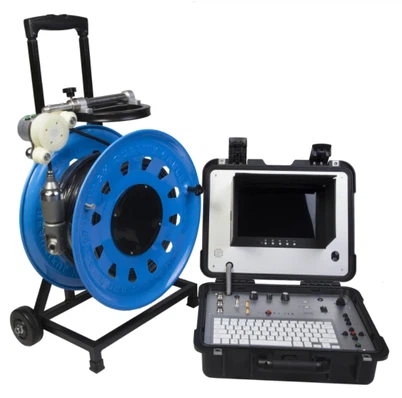
At our company, we offer a wide range of snake cameras designed to provide high - quality, low - noise images. For example, our 360 Degree CCTV Pipe Cameras are equipped with advanced sensors and noise - reduction technologies. They are capable of capturing clear, detailed images in pipes of various diameters and under different lighting conditions.
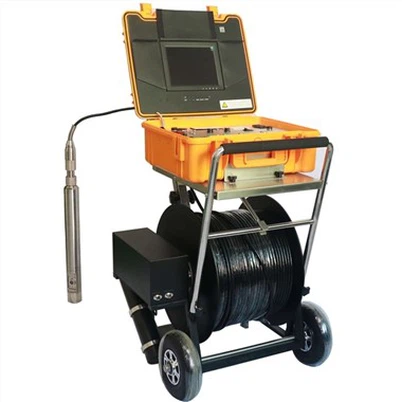
The HD Underwater Pipe Inspection Camera is another product in our portfolio. This camera is specifically designed for underwater pipe inspections, where environmental factors can pose challenges to image quality. Our engineering team has incorporated advanced noise - reduction features to ensure that the images captured by this camera are of the highest quality, even in murky water or low - light underwater environments.
Our 30M/40M Portable Pipeline Inspection System Sewer Camera With Meter Counter And Detector is a versatile solution for pipeline inspections. It uses a high - resolution sensor and state - of - the - art image - processing algorithms to reduce noise and enhance image clarity. The meter counter and detector features allow for accurate measurement and location of defects in the pipeline, further improving the efficiency of the inspection process.


For customers who are concerned about the noise level of the images from snake cameras, we provide detailed specifications and performance data for each of our products. Our technical support team is also available to assist customers in selecting the right camera for their specific application. Whether it's a small - diameter pipe inspection in a residential building or a large - scale industrial pipeline assessment, we have the expertise and products to meet the requirements.
If you are in need of a high - quality snake camera with low - noise image capabilities, we invite you to contact us for a detailed discussion. Our experts will be more than happy to talk to you about your specific needs, provide samples if necessary, and offer competitive pricing. We believe in building long - term partnerships with our customers based on quality products and excellent service.
References
- "Digital Image Processing" by Rafael C. Gonzalez and Richard E. Woods
- "Introduction to Image Sensors and Digital Cameras" by Sourabh K. Mehta and others
- Industry whitepapers on pipe - inspection camera technologies.