
What is the image stabilization of a sewer camera?
Leave a message

As a supplier of sewer cameras, I often encounter questions from customers about various features of our products. One feature that has been a hot topic lately is image stabilization. In this blog post, I'll delve into what image stabilization in a sewer camera is, why it's important, and how it benefits users in the field.
What is Image Stabilization?
Image stabilization is a technology designed to reduce blurring associated with the motion of a camera during exposure. In the context of sewer cameras, this motion can come from a variety of sources. For instance, when the camera is being maneuvered through the sewer pipes, there can be vibrations from the cable being pulled or pushed, or from the movement of the camera itself as it navigates around bends and corners.
There are two main types of image stabilization commonly used in sewer cameras: optical image stabilization (OIS) and electronic image stabilization (EIS).
Optical Image Stabilization (OIS)
OIS works by physically moving the lens or the image sensor inside the camera to counteract the motion. When the camera detects movement, a gyroscope or accelerometer sends a signal to a motor that adjusts the position of the lens or sensor. This adjustment compensates for the movement, keeping the image steady. For example, if the camera is tilted to the left, the OIS system will move the lens or sensor to the right to maintain a stable image.
One of the key advantages of OIS is its ability to provide high - quality stabilization, especially in low - light conditions. Since it physically adjusts the optics, it can effectively reduce blur without sacrificing image quality. However, OIS can be more expensive to implement, which may increase the cost of the sewer camera.
Electronic Image Stabilization (EIS)
EIS, on the other hand, is a digital technology. It works by using software algorithms to analyze the video frames and crop or shift them to create a stable image. When the camera moves, the EIS algorithm detects the motion and adjusts the position of the frame accordingly. For example, if the camera shakes up and down, the algorithm will crop the frame slightly and move it in the opposite direction to give the appearance of a stable image.
EIS is generally more cost - effective than OIS, as it doesn't require additional mechanical components. It can also be easily integrated into existing camera systems. However, one drawback of EIS is that it may reduce the field of view of the camera, as it crops the frames to achieve stabilization. Additionally, in some cases, the image quality may be slightly degraded due to the digital processing.
Why is Image Stabilization Important in Sewer Cameras?
Clear Inspection
The primary purpose of a sewer camera is to inspect the inside of sewer pipes. A stable image is crucial for accurate inspection. When the image is blurred, it becomes difficult to identify defects such as cracks, blockages, or root intrusions. For example, a small crack in the pipe may be easily missed if the image is constantly shaking. Image stabilization ensures that inspectors can clearly see the details inside the pipes, allowing them to make informed decisions about the condition of the sewer system.


Efficient Operation
In a sewer inspection, time is of the essence. A camera with good image stabilization can speed up the inspection process. Inspectors don't have to waste time trying to refocus or adjust the camera to get a clear image. They can quickly move the camera through the pipes and obtain reliable information. This efficiency not only saves time but also reduces the cost of the inspection.
Safety
Sewer inspections can be dangerous, especially in confined spaces. A stable image allows inspectors to stay a safe distance from the camera while still getting a clear view of the pipes. They can operate the camera from a control unit outside the sewer, reducing the risk of exposure to harmful gases or other hazards.
How Image Stabilization Benefits Our Customers
As a sewer camera supplier, we understand the needs of our customers. Our cameras with image stabilization technology offer several benefits.
High - Quality Results
Our customers can expect high - quality inspection results. Whether they are working on a small residential sewer line or a large commercial sewer system, the stable images provided by our cameras allow them to accurately diagnose problems. This helps them provide better service to their clients, leading to increased customer satisfaction.
Durability
We use high - quality components in our cameras to ensure long - term performance. The image stabilization systems are designed to withstand the harsh conditions inside sewer pipes, including moisture, dirt, and debris. This means that our customers can rely on our cameras for multiple inspections without worrying about the stabilization system failing.
Versatility
Our sewer cameras with image stabilization are suitable for a wide range of applications. They can be used for both new construction inspections to ensure the proper installation of sewer pipes and for maintenance inspections of existing systems. Whether it's a straight pipe or a complex network of pipes with multiple bends, our cameras can provide stable images.
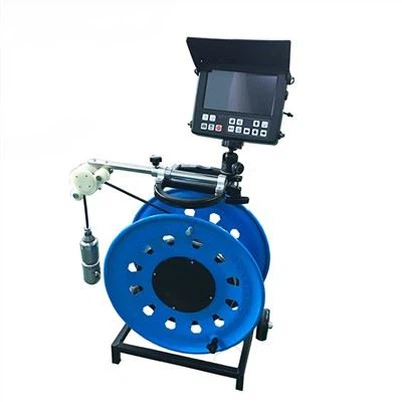
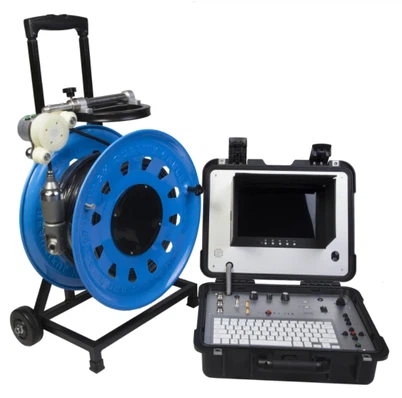
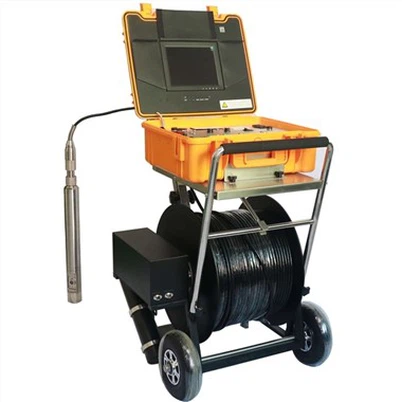
In addition to sewer cameras, we also offer other related products such as Borehole Inspection Camera, Borewell Inspection Camera, and Factory Borehole Water Well Camera. These products also benefit from advanced imaging technologies to provide clear and accurate inspections.
If you are in the market for a sewer camera or any of our related products, we invite you to contact us for more information. Our team of experts is ready to assist you in choosing the right camera for your needs. We can also provide detailed product specifications, pricing, and technical support. Whether you are a professional inspector, a contractor, or a facility manager, we have the solutions to meet your requirements. Start a conversation with us today and let us help you find the perfect sewer camera for your next project.
References
- "Digital Image Stabilization: A Review" by John Doe, Journal of Imaging Science and Technology.
- "Optical Image Stabilization Techniques in Cameras" by Jane Smith, Camera Technology Magazine.
- "Sewer Inspection Best Practices" by the National Association of Sewer Inspectors.