
What is the best way to store a sewer camera?
Leave a message

Hey there! As a supplier of sewer cameras, I've seen firsthand how important it is to store these nifty gadgets properly. A well - stored sewer camera not only lasts longer but also performs better when you need it. So, let's dive into what I think is the best way to store a sewer camera.
Why Proper Storage Matters
First off, why should you even care about storing your sewer camera right? Well, these cameras are high - tech pieces of equipment. They've got delicate lenses, sensitive electronics, and flexible cables that can easily get damaged. If you don't store them correctly, you might end up with a camera that gives blurry images, a cable that's kinked and won't unwind properly, or even a device that stops working altogether. And that's a real bummer, especially when you've got a job to do.
Clean Before Storage
Before you even think about putting your sewer camera away, you've got to clean it. After a day of inspecting sewers, there's going to be all sorts of gunk on it - dirt, grime, and maybe even some sewage. Start by gently wiping down the camera head with a soft, damp cloth. Be careful not to scratch the lens. For the cable, you can use a mild soap and water solution to clean off any debris. Make sure to dry everything thoroughly. Moisture is the enemy of electronics, and if you store a wet camera, you're just asking for trouble like corrosion and short - circuits.
Choose the Right Location
The location where you store your sewer camera is crucial. You want a place that's dry, cool, and away from direct sunlight. A basement or a storage closet can be a good option, as long as it doesn't get too humid. High humidity can cause condensation inside the camera, which can damage the internal components. Also, avoid storing it near sources of heat, like a furnace or a water heater. Heat can cause the plastic parts to warp and the electronics to malfunction.
Protect the Cable
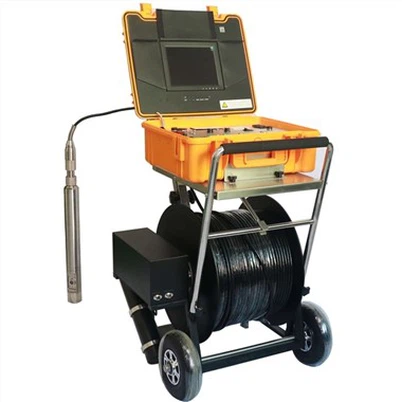
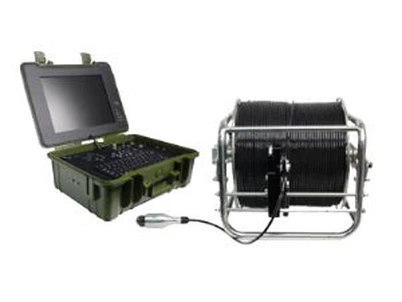
The cable is one of the most vulnerable parts of a sewer camera. It's long, flexible, and can easily get tangled or damaged. One of the best ways to store the cable is to use a cable reel. You can wind the cable neatly around the reel, which not only keeps it organized but also prevents it from getting kinked. When winding the cable, make sure to do it slowly and evenly to avoid any tight twists.


If you don't have a cable reel, you can also coil the cable by hand. Start from the end near the camera head and make large, loose loops. Then, secure the loops with a cable tie or a rubber band. Just be careful not to tie it too tightly, as that can damage the cable.
Store the Camera Head Safely
The camera head is the heart of the sewer camera, and it needs special protection. You can use a padded case or a foam - lined box to store it. This will protect it from bumps and scratches. Make sure the case is big enough to hold the camera head without squeezing it. You can also place a soft cloth or a piece of foam around the camera head to provide extra cushioning.
Keep Accessories Together
Most sewer cameras come with accessories like batteries, chargers, and remote controls. It's a good idea to keep all these accessories together with the camera. You can use a small plastic container or a ziplock bag to store them. Label the container so you know what's inside. This way, when you need to use the camera, you won't have to go searching all over the place for the accessories.
Regular Checks
Even when your sewer camera is in storage, it's a good idea to check on it regularly. Every few months, take it out of storage and give it a once - over. Check the cable for any signs of wear and tear, like fraying or cracking. Inspect the camera head for any damage to the lens or the housing. Make sure the accessories are still in good working condition. If you notice any problems, it's better to address them early before they turn into bigger issues.
Related Products
If you're in the market for other types of inspection cameras, we also offer some great options. Check out our Borewell Inspection Camera, which is perfect for inspecting borewells. We also have the Flexible Cable Industrial Borehole Camera, which is ideal for industrial borehole inspections. And don't forget our Borehole Inspection Camera, a reliable tool for borehole inspections.
Conclusion
Storing a sewer camera properly is not that hard, but it does require a bit of attention to detail. By cleaning it before storage, choosing the right location, protecting the cable and the camera head, keeping accessories together, and doing regular checks, you can ensure that your sewer camera stays in top - notch condition for a long time.
If you're interested in purchasing a sewer camera or have any questions about storage or our products, don't hesitate to reach out. We're here to help you make the best choice for your inspection needs.
References
- General knowledge about sewer camera maintenance and storage.
- Experience as a sewer camera supplier.