
What are the uses of rigid coaxial lines?
Leave a message

Rigid coaxial lines are a critical component in various industries, offering unique advantages that make them indispensable for specific applications. As a leading coaxial line supplier, I have witnessed firsthand the diverse uses of rigid coaxial lines across different sectors. In this blog, I will explore the various applications of rigid coaxial lines and highlight their importance in modern technology.
Telecommunications
One of the primary uses of rigid coaxial lines is in the telecommunications industry. These lines are used to transmit high - frequency signals over long distances with minimal loss. In cellular networks, rigid coaxial lines are employed to connect base stations to antennas. The high - quality construction of rigid coaxial lines ensures that the signals are transmitted efficiently, providing reliable communication for mobile devices.
For example, in large cities where cellular traffic is high, the use of rigid coaxial lines helps to maintain strong and stable signals. They can handle high - power signals without significant attenuation, which is crucial for ensuring clear voice calls and high - speed data transfer. Moreover, rigid coaxial lines are resistant to electromagnetic interference (EMI), which is a common problem in urban environments with a lot of electronic devices.
Broadcasting
In the broadcasting industry, rigid coaxial lines play a vital role in the transmission of audio and video signals. Television and radio stations use these lines to connect transmitters to antennas. The ability of rigid coaxial lines to carry high - frequency signals with low loss makes them ideal for broadcasting applications.
For instance, in a large - scale live event broadcast, such as a sports game or a concert, rigid coaxial lines are used to transmit high - definition video and audio signals from the production area to the broadcast tower. This ensures that the audience can enjoy a high - quality viewing or listening experience. The durability of rigid coaxial lines also makes them suitable for outdoor use, where they may be exposed to harsh weather conditions.
Radar Systems
Radar systems rely on rigid coaxial lines for the transmission of high - power microwave signals. These lines are used to connect the radar transmitter to the antenna, allowing the radar to detect and track objects accurately. The low loss and high - power handling capabilities of rigid coaxial lines are essential for the proper functioning of radar systems.
In military applications, radar systems are used for surveillance, target detection, and navigation. Rigid coaxial lines ensure that the radar signals are transmitted with high precision, enabling the military to detect potential threats in a timely manner. In civilian applications, such as air traffic control, radar systems use rigid coaxial lines to monitor the movement of aircraft, ensuring safe and efficient air travel.
Industrial Applications
Rigid coaxial lines are also widely used in industrial applications. In industrial automation, these lines are used to connect sensors and control systems. The reliable signal transmission provided by rigid coaxial lines ensures that the industrial processes run smoothly.
For example, in a manufacturing plant, rigid coaxial lines can be used to connect sensors that monitor temperature, pressure, and other parameters. The data collected by these sensors is then transmitted to the control system, which can adjust the manufacturing process accordingly. This helps to improve the efficiency and quality of the production process.
Medical Equipment
In the medical field, rigid coaxial lines are used in various medical equipment. For example, in ultrasound machines, these lines are used to transmit high - frequency electrical signals to the transducer. The accurate transmission of these signals is crucial for obtaining clear and detailed images of the internal organs.
Additionally, in some surgical procedures, rigid coaxial lines can be used to transmit energy for minimally invasive surgeries. The high - power handling capabilities of these lines ensure that the energy is delivered precisely to the target area, reducing the risk of damage to surrounding tissues.
Testing and Measurement
Rigid coaxial lines are essential for testing and measurement applications. In laboratories, these lines are used to connect test equipment, such as network analyzers and spectrum analyzers, to the devices under test. The low loss and high - frequency performance of rigid coaxial lines ensure accurate measurement results.
For example, when testing the performance of a new electronic device, rigid coaxial lines are used to connect the device to the test equipment. This allows engineers to measure the device's electrical characteristics, such as its frequency response and impedance, with high precision.
Exploration and Inspection
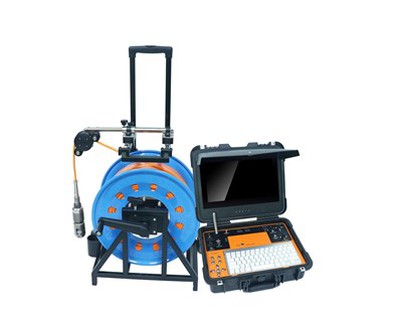
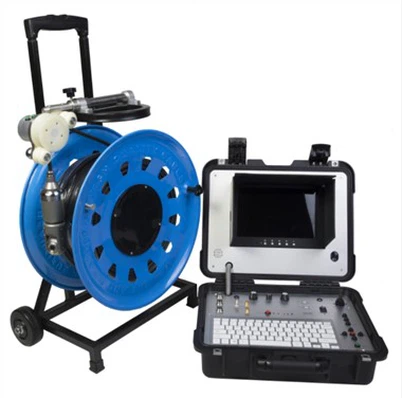
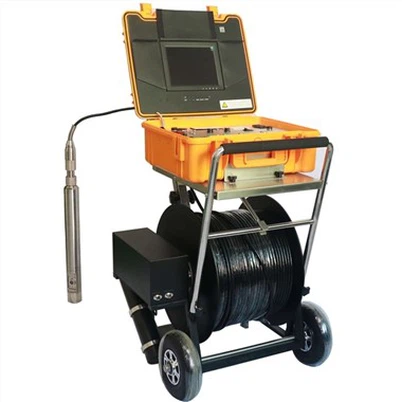
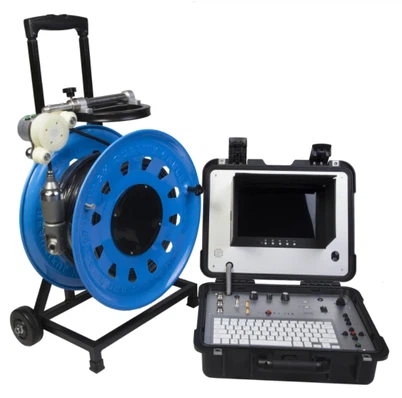
In the field of exploration and inspection, rigid coaxial lines are used in various types of cameras. For instance, the 100m LED Adjustable Pipe Camera Pipe Camera Plumbing Pipe Inspection Sewer Camera uses rigid coaxial lines to transmit high - quality video signals from the camera to the monitoring device. This allows plumbers and inspectors to view the inside of pipes and detect any blockages or damages.


Similarly, the Underwater Cctv Camera Swimming Pool Camera and the Oil Well Downhole Camera For 3500m rely on rigid coaxial lines for signal transmission. These cameras are used to inspect underwater structures, swimming pools, and oil wells, providing valuable information for maintenance and exploration purposes.
Conclusion
In conclusion, rigid coaxial lines have a wide range of uses across various industries. Their unique properties, such as low loss, high - power handling, and resistance to EMI, make them an ideal choice for applications that require reliable high - frequency signal transmission. As a coaxial line supplier, we are committed to providing high - quality rigid coaxial lines that meet the diverse needs of our customers.
If you are interested in purchasing rigid coaxial lines for your specific application, please feel free to contact us for a detailed discussion. We can provide you with the right solutions based on your requirements and help you optimize your systems.
References
- "Coaxial Cable Handbook" by R. F. Mogensen
- "Telecommunication Engineering" by B. P. Lathi
- "Radar Systems Analysis and Design Using MATLAB" by Mahafza, B. R.