
Can a pipe camera be used in building's internal pipes?
Leave a message

Can a pipe camera be used in building's internal pipes?
As a pipe camera supplier, I am often asked whether our pipe cameras can be used in a building's internal pipes. The answer is a resounding yes! Pipe cameras are incredibly versatile tools that can be effectively employed for inspecting the internal pipes of buildings, offering numerous benefits for both maintenance and construction purposes.
Understanding the Functionality of Pipe Cameras
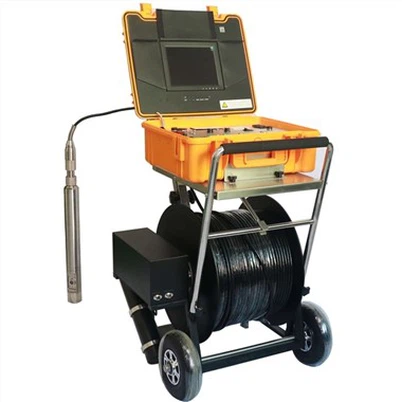
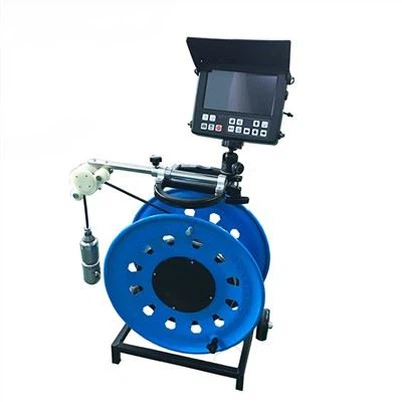
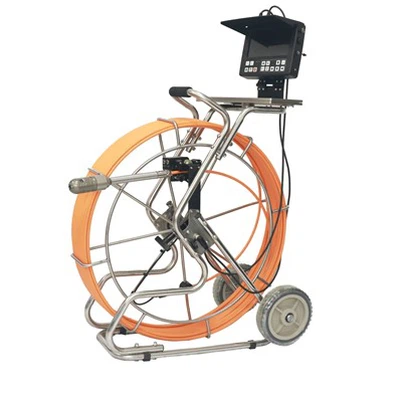
Pipe cameras are specialized devices equipped with a camera attached to a flexible cable. This cable can be inserted into pipes, allowing users to visually inspect the interior of the pipes from a control unit. The camera captures high - resolution images and videos, providing a clear view of the pipe's condition, including any blockages, leaks, or damage.
Advantages of Using Pipe Cameras in Building Internal Pipes
- Accurate Diagnosis of Problems: One of the primary advantages of using a pipe camera in building internal pipes is the ability to accurately diagnose problems. Instead of relying on guesswork or invasive methods, a pipe camera can directly show the source of issues such as clogs, cracks, or root intrusions. For example, in an old building, tree roots may have penetrated the sewer pipes, causing blockages. A pipe camera can quickly identify the exact location of the root intrusion, enabling targeted repairs.
- Preventive Maintenance: Pipe cameras can be used for preventive maintenance. Regular inspections using a pipe camera can detect early signs of wear and tear, corrosion, or other potential problems before they escalate into major issues. This proactive approach can save building owners significant costs in the long run by avoiding expensive emergency repairs.
- Non - Invasive Inspection: Unlike traditional methods that may require digging up floors or walls to access pipes, pipe cameras offer a non - invasive way to inspect internal pipes. This means less disruption to the building's occupants and less damage to the building structure. For instance, in a commercial building, a pipe camera can be used to inspect the plumbing system without having to close down the business for extensive repairs.
- Documentation: Pipe cameras can record the inspection process, providing valuable documentation for building owners, contractors, and maintenance teams. This documentation can be used for future reference, insurance claims, or to demonstrate compliance with building codes and regulations.
Applications in Different Types of Building Pipes
- Sewer Pipes: Sewer pipes in buildings are prone to blockages and damage. A pipe camera can be used to inspect the sewer lines for blockages caused by grease, debris, or tree roots. It can also detect cracks or leaks in the pipes, which can lead to sewage backups and water damage. For example, in a multi - story apartment building, a pipe camera can be used to inspect the entire sewer system, from the individual units to the main sewer line.
- Water Supply Pipes: Water supply pipes can develop leaks, corrosion, or scale buildup over time. A pipe camera can help identify these issues, allowing for timely repairs or replacements. In a large commercial building, a pipe camera can be used to inspect the water supply pipes to ensure a reliable water supply and prevent water wastage.
- HVAC Pipes: HVAC (Heating, Ventilation, and Air Conditioning) pipes are an important part of a building's climate control system. A pipe camera can be used to inspect the HVAC pipes for blockages, leaks, or damage. This can help improve the efficiency of the HVAC system and reduce energy consumption.
Our Pipe Camera Products
We offer a range of high - quality pipe cameras suitable for building internal pipe inspections. Our cameras are designed with advanced features such as high - resolution imaging, adjustable lighting, and flexible cables. For more specialized applications, we also provide products like the Borehole Inspection Camera, Borewell Inspection Camera, and Factory Borehole Water Well Camera. These cameras are ideal for inspecting boreholes and water wells, which are often associated with building water supply systems.
How to Use a Pipe Camera in Building Internal Pipes
- Preparation: Before using the pipe camera, it is important to prepare the area. This may involve turning off the water supply to the pipes being inspected and ensuring that the pipes are clean and free of debris.
- Insertion: Carefully insert the camera into the pipe through an access point, such as a cleanout or a drain. Slowly feed the cable into the pipe, following the pipe's path.
- Inspection: As the camera moves through the pipe, observe the images on the control unit. Look for any signs of blockages, leaks, or damage. Take notes and record the inspection for future reference.
- Analysis and Reporting: After the inspection, analyze the data and prepare a report. This report should include the findings, recommendations for repairs or maintenance, and any relevant images or videos.
Conclusion
In conclusion, pipe cameras are an invaluable tool for inspecting building internal pipes. They offer accurate diagnosis, preventive maintenance, non - invasive inspection, and documentation. As a pipe camera supplier, we are committed to providing high - quality products and excellent customer service. If you are in need of a pipe camera for your building's internal pipe inspections, we encourage you to contact us for a detailed discussion. Our team of experts can help you choose the right pipe camera for your specific needs and provide guidance on its use.


References
- "Pipe Inspection Technology: A Review" - Journal of Building Maintenance and Research
- "Non - Destructive Testing of Pipes in Buildings" - International Journal of Construction Engineering and Management