
Is wells camera a mirrorless camera?
Leave a message

In the realm of photography and imaging technology, cameras come in a wide array of types tailored to meet diverse needs. As a supplier of Wells Cameras, I've encountered numerous inquiries about the nature of these cameras, especially the question: Is Wells camera a mirrorless camera? To delve into this topic comprehensively, let's first gain an understanding of what mirrorless cameras are and then explore the characteristics of Wells Cameras.
What Are Mirrorless Cameras?
Mirrorless cameras have revolutionized the photography industry in recent years. At their core, they eschew the traditional reflex mirror system found in DSLR (Digital Single - Lens Reflex) cameras. In a DSLR, light entering the lens bounces off a mirror onto a prism, which then directs the image to the viewfinder. When the shutter is released, the mirror flips up to allow light to reach the image sensor.
In contrast, mirrorless cameras use electronic viewfinders (EVFs) or the camera's rear LCD screen to display a real - time preview of the image. This direct access to the image sensor means that mirrorless cameras often offer features such as live histogram display, exposure previews, and the ability to see the effects of certain settings in real - time. They also tend to be more compact and lightweight compared to DSLRs, as the absence of the mirror box reduces the overall size of the camera body.
Characteristics of Wells Cameras
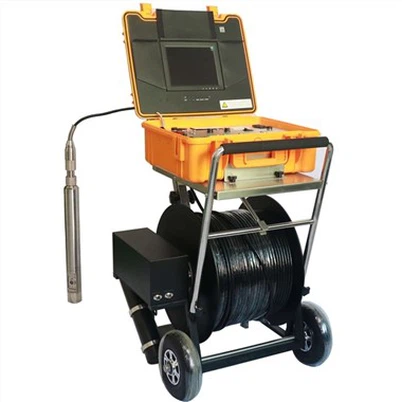
Wells Cameras are primarily designed for specific industrial and inspection applications. These cameras are engineered to operate in demanding environments, often in deep boreholes or water wells. They are built to withstand high pressures, harsh temperatures, and challenging conditions that are far from the typical settings in which consumer - grade mirrorless cameras are used.
One of the key features of Wells Cameras is their specialized design for high - resolution imaging in confined and low - light spaces. They are equipped with powerful light sources, such as LED arrays, to illuminate the inspection area. The camera heads are often small in diameter to fit into narrow boreholes, and they are attached to long cables that can reach considerable depths.
For instance, the Borehole Deep Water Inspection Camera is specifically designed to provide clear images of the conditions inside deep water boreholes. This camera can be submerged to great depths and is built to resist water infiltration and pressure. Similarly, the Borewell Inspection Camera is optimized for inspecting the interior walls of borewells, helping to identify issues such as cracks, blockages, or corrosion.
Comparison with Mirrorless Cameras
When comparing Wells Cameras with mirrorless cameras, the differences become quite evident. Mirrorless cameras are generally considered consumer or professional photography tools, with a focus on creative image - making across various genres such as landscape, portrait, and wildlife photography. They offer a wide range of interchangeable lenses, advanced autofocus systems optimized for different subjects, and sophisticated image - processing capabilities to produce high - quality stills and videos.
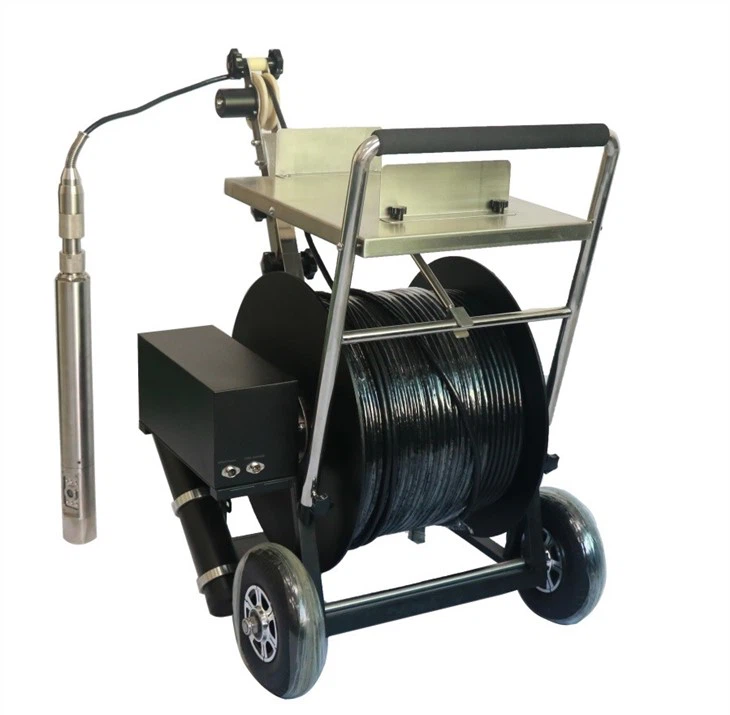
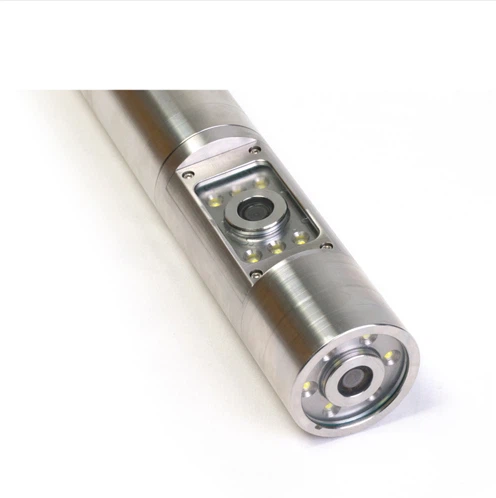
On the other hand, Wells Cameras are application - specific. Their primary function is to provide reliable visual data for inspection purposes. They do not have the same focus on creative shooting features. For example, they don't offer a vast selection of lenses for different artistic effects, nor are they designed to capture high - speed action or produce high - resolution images suitable for large - format printing in a traditional photography sense.
In terms of form factor, mirrorless cameras are designed to be handheld and portable for easy use in different shooting locations. Wells Cameras, however, are often part of a larger inspection system that includes a control unit, monitor, and long cables. They are not meant to be carried around like a typical camera for casual photography.
Technical Specifications
Let's look at some of the technical aspects that further distinguish Wells Cameras from mirrorless cameras. Mirrorless cameras typically have high - resolution image sensors, often in the range of 20 - 60 megapixels, to capture detailed images. They also support high - frame - rate video recording, with some models capable of shooting 4K or even 8K video at high frame rates.
Wells Cameras, while also featuring high - resolution sensors, are more optimized for the specific requirements of borehole and water well inspection. Their resolution is sufficient to detect small defects or irregularities in the borehole walls. For example, the Borehole Water Well Camera has a sensor that is calibrated to provide clear images in low - light, underwater conditions.
In terms of connectivity, mirrorless cameras often support Wi - Fi, Bluetooth, and USB connections for easy sharing of images and remote control. Wells Cameras usually have more specialized connectivity options, such as cables that can transmit high - quality video signals over long distances to a control unit located at the surface.
Market Position and User Base
Mirrorless cameras have a broad market appeal, targeting amateur photographers, professional photographers, and videographers. They are sold in consumer electronics stores, camera specialty shops, and online marketplaces. The user base is diverse, ranging from hobbyists to professionals in the media and entertainment industry.
Wells Cameras, on the other hand, are targeted at industries such as water well drilling, geotechnical engineering, and environmental monitoring. Their users are typically professionals who require accurate inspection data to make informed decisions about the condition of boreholes and water wells. These cameras are often sold through specialized industrial equipment suppliers or directly to companies in the relevant industries.
Conclusion
In conclusion, Wells Cameras are not mirrorless cameras. While both types of cameras use digital image sensors, their design, functionality, and intended applications are vastly different. Mirrorless cameras are designed for creative photography and videography, offering a wide range of features for artistic expression and high - quality image capture. Wells Cameras, as an industrial - grade inspection tool, are engineered to provide reliable and accurate visual data in specific, challenging environments.
If you are in the market for high - quality Wells Cameras for your borehole inspection needs, we are here to assist you. Our team of experts can provide detailed information about our product range, technical specifications, and pricing. We are committed to delivering the best solutions for your inspection requirements. Reach out to us for a detailed discussion on how our Wells Cameras can meet your business needs. We look forward to the opportunity to work with you and provide you with top - notch inspection equipment.
References
- General knowledge of camera technology from industry publications and research.
- Product specifications and details provided by the manufacturers of Wells Cameras and mirrorless cameras.