
Is a heavy or a light sewer camera better?
Leave a message

Hey there! As a supplier of sewer cameras, I get asked a lot about whether a heavy or a light sewer camera is better. It's a question that doesn't have a one - size - fits - all answer, and in this blog, I'll break down the pros and cons of both to help you make an informed decision.
Let's start with heavy sewer cameras. These bad boys are built like tanks. They're often made with high - quality, durable materials that can withstand the harsh conditions of sewer inspections. You know, sewers can be pretty rough environments. There are sharp rocks, debris, and sometimes even chemicals that can damage a camera if it's not tough enough.
One of the biggest advantages of heavy sewer cameras is their stability. When you're sending a camera down a long sewer line, you want it to stay in place and not get tossed around by the flow of water or any sudden movements. Heavy cameras are less likely to be affected by these external factors. They can provide a more steady and clear view of the sewer interior, which is crucial for accurate inspections.
Another plus is that heavy cameras usually come with more advanced features. They might have better lighting systems, higher - resolution cameras, and more powerful motors for the cable reels. This means you can get a detailed look at the pipes, spot any cracks, blockages, or other issues with greater precision. For example, if there's a small crack in the pipe wall, a high - end heavy camera can capture it clearly, allowing you to plan the right repair strategy.


However, heavy sewer cameras also have their downsides. First of all, they're, well, heavy! This makes them a bit of a hassle to transport. If you're moving from one job site to another, you'll need a bigger vehicle to carry the camera and all its accessories. And setting up a heavy camera can be a two - person job. You have to be careful when handling it to avoid dropping it or causing damage.
Also, heavy cameras tend to be more expensive. The advanced features and durable construction come at a price. If you're a small - scale contractor or just starting out in the sewer inspection business, the cost might be a bit prohibitive. You'll have to weigh the benefits against the initial investment and ongoing maintenance costs.
Now, let's talk about light sewer cameras. These are the more portable option. They're easy to carry around, whether you're going up and down stairs or across uneven terrain. You can throw a light camera in the back of your van and head to the job site without any major logistical issues. This makes them a great choice for quick inspections or jobs in hard - to - reach places.
Light sewer cameras are also more user - friendly. They're easier to set up and operate, even for someone with limited experience. You don't need to be a technical expert to get the camera up and running. This can save you time and effort, especially if you have multiple inspections to do in a day.
In terms of cost, light cameras are generally more affordable. They're a great option for those on a budget or for contractors who only need basic inspection capabilities. You can still get a decent view of the sewer pipes with a light camera, and it can be a good starting point for building your inspection business.
But light sewer cameras aren't without their problems. Their durability might be an issue. Since they're lighter, they're often made with less - robust materials. They might not hold up as well in extremely harsh sewer conditions. For example, if there's a lot of debris or sharp objects in the pipes, a light camera could get damaged more easily.
The features on light cameras are usually more basic. The lighting might not be as bright, and the camera resolution might not be as high as that of heavy cameras. This can make it a bit more difficult to detect small issues in the pipes. You might miss some early signs of damage, which could lead to bigger problems down the line.
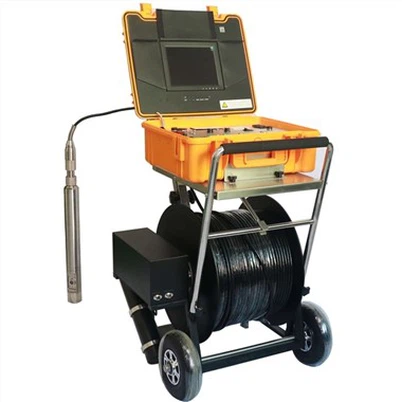
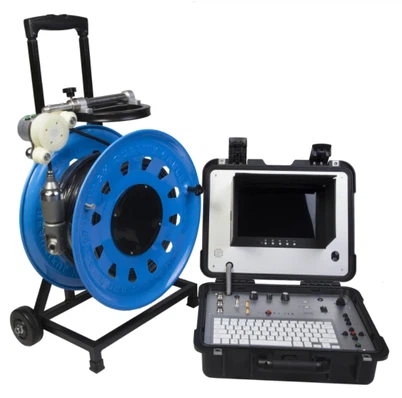
So, which one is better? It really depends on your specific needs. If you're a large - scale contractor doing a lot of high - end, in - depth sewer inspections, a heavy sewer camera might be the way to go. The advanced features and stability will give you the accuracy and reliability you need for big jobs. You can check out our Borehole Inspection Camera for some high - quality options.
On the other hand, if you're a small - time contractor or just need a camera for quick, basic inspections, a light sewer camera is probably a better fit. It's more affordable, portable, and easy to use. Our Borehole Water Well Camera and Borewell Inspection Camera offer some great light - weight options that are both practical and cost - effective.
At the end of the day, it's all about finding the right balance between your budget, the type of jobs you do, and the level of accuracy you need. If you're still not sure which type of sewer camera is best for you, feel free to reach out to us. We're here to help you make the right choice and can provide more detailed information about our products. Whether you're interested in a heavy or a light sewer camera, we can offer you the best solution for your sewer inspection needs.
If you're thinking about purchasing a sewer camera, don't hesitate to contact us for a quote. We can also arrange a demonstration so you can see the cameras in action and decide for yourself which one is the best fit for your business. Let's work together to make your sewer inspections more efficient and accurate!
References
General knowledge in the sewer inspection industry.
Industry reports on sewer camera technology and market trends.