
Can wells camera be used in extreme temperatures?
Leave a message

As a supplier of Wells cameras, I often receive inquiries from customers about the performance of our cameras in extreme temperatures. This is a crucial question, especially for industries such as oil and gas exploration, deep - sea research, and high - altitude surveillance, where cameras may be exposed to extremely hot or cold conditions. In this blog, we'll explore whether Wells cameras can be used in extreme temperatures, delving into the technical aspects, real - world applications, and limitations.
Technical Capabilities of Wells Cameras in Extreme Temperatures
Wells cameras are engineered with advanced technology to withstand a wide range of environmental conditions. Our research and development team has put in significant effort to ensure that the cameras can function optimally even in extreme temperatures.
Cold Temperatures
In cold environments, electronic components are prone to issues such as reduced battery performance and slower processing speeds. However, Wells cameras are equipped with high - quality batteries that have been tested in low - temperature conditions. These batteries are designed to maintain a stable power output even when the ambient temperature drops below freezing.
The camera's internal circuitry is also protected by thermal insulation materials. These materials help to keep the components at a stable temperature, preventing them from becoming too cold and malfunctioning. For example, in high - altitude applications where temperatures can reach well below - 20°C, our cameras have been proven to capture clear and sharp images.
Hot Temperatures
High temperatures can cause electronic components to overheat, leading to reduced performance and even permanent damage. Wells cameras are built with heat - dissipating mechanisms to counteract this problem. The camera bodies are made of materials with high thermal conductivity, which allows heat to be transferred away from the internal components quickly.
In addition, our cameras are equipped with temperature sensors. When the internal temperature reaches a certain threshold, the camera will automatically adjust its settings to reduce power consumption and prevent overheating. This self - regulating feature ensures that the camera can continue to operate smoothly in hot environments, such as in desert regions where temperatures can exceed 50°C.
Real - World Applications of Wells Cameras in Extreme Temperatures
The ability of Wells cameras to perform in extreme temperatures makes them suitable for a variety of real - world applications.
Oil and Gas Industry
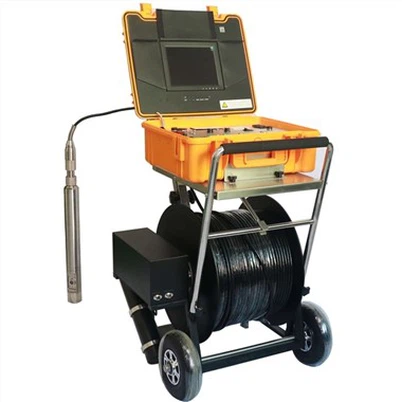
In the oil and gas industry, cameras are often used for borehole inspections. These inspections are carried out in deep wells where the temperature can vary significantly. Our Borewell Inspection Camera is specifically designed for this purpose. It can withstand the high temperatures and pressures found in deep boreholes, providing clear images of the wellbore walls, pipes, and other structures. This helps engineers to detect any potential problems, such as cracks or leaks, early on, reducing the risk of costly downtime.
Deep - Sea Exploration
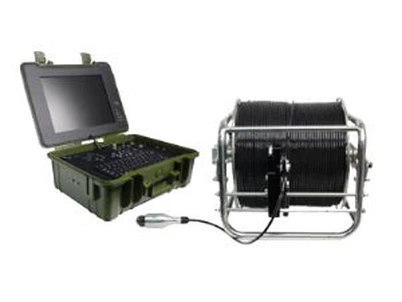
Deep - sea environments are characterized by extremely cold temperatures and high pressures. Our Borehole Deep Water Inspection Camera is capable of operating in these harsh conditions. It can capture high - resolution images of the ocean floor, underwater pipelines, and other structures, providing valuable data for scientific research and offshore engineering projects.
Industrial Inspections in Harsh Environments
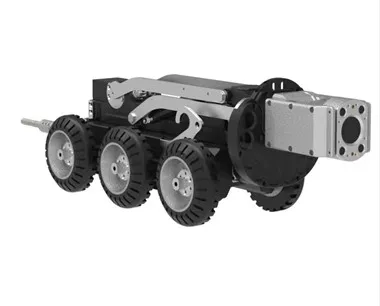
In industrial settings, such as steel mills and foundries, cameras are needed to inspect equipment and processes in high - temperature environments. Our Flexible Cable Industrial Borehole Camera can be used in these situations. Its flexible cable allows it to reach difficult - to - access areas, while its heat - resistant design ensures that it can operate reliably in extreme heat.

Limitations of Wells Cameras in Extreme Temperatures
While Wells cameras are designed to perform well in extreme temperatures, there are still some limitations.
Extended Exposure
Prolonged exposure to extreme temperatures can still have an impact on the camera's lifespan. Even with the best - designed heat - dissipating and insulation systems, continuous operation in extremely hot or cold conditions can cause wear and tear on the components over time. It is recommended that the cameras be given regular breaks or be used in conjunction with cooling or heating systems in situations where extended exposure to extreme temperatures is unavoidable.
Severe Temperature Fluctuations
Rapid and severe temperature fluctuations can also pose a challenge to the cameras. These fluctuations can cause thermal stress on the components, leading to mechanical failures. In environments where such fluctuations are common, additional protective measures may be required to ensure the long - term reliability of the cameras.
Conclusion and Call to Action
In conclusion, Wells cameras are capable of being used in extreme temperatures, thanks to their advanced design and engineering. They have been successfully applied in various industries where extreme temperatures are a norm. However, it's important to be aware of their limitations and take appropriate measures to ensure their optimal performance and longevity.
If you are in need of a camera that can withstand extreme temperatures for your project, our Wells cameras are an excellent choice. We have a wide range of models to suit different applications and requirements. Whether you are in the oil and gas industry, deep - sea exploration, or industrial inspections, we can provide you with the right camera solution.
We invite you to contact us for more information and to discuss your specific needs. Our team of experts is ready to assist you in finding the perfect camera for your project. Let's work together to achieve your goals with our high - quality Wells cameras.
References
- Camera Technology Handbook, Third Edition
- Principles of Electronic Instrumentation and Measurement
- Handbook of Environmental Engineering: Volume 2 - Air Pollution, Noise Pollution, and Global Warming