
How to control an ROV robot?
Leave a message

Controlling an ROV (Remotely Operated Vehicle) robot might seem like a daunting task, but with the right know - how, it can be a really cool and rewarding experience. As a supplier of ROV robots, I've seen firsthand how these amazing machines are used in a variety of industries, from underwater exploration to industrial inspections. In this blog, I'll share some tips on how to control an ROV robot effectively.
Understanding the Basics of an ROV Robot
Before you start controlling an ROV, it's important to understand its basic components. An ROV typically consists of a main body, thrusters, cameras, and a control system. The main body houses all the electronics and equipment, while the thrusters are used to move the ROV in different directions. The cameras are crucial for getting a visual of the underwater environment, and the control system allows you to operate the ROV from the surface.
Pre - flight Checks
Just like with any vehicle, pre - flight checks are essential for a successful ROV operation. First, make sure all the connections are secure. Check the cables that connect the ROV to the control unit, as loose connections can lead to communication issues. Inspect the thrusters to ensure they are in good working condition. You don't want a thruster to fail in the middle of a dive.
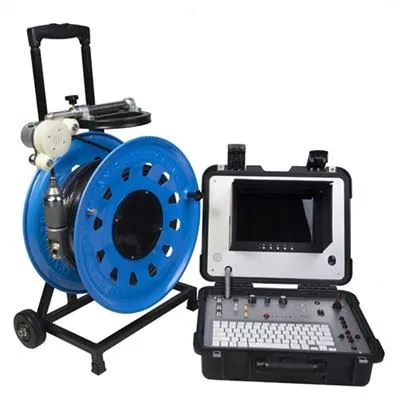
Also, test the cameras. Make sure they are clean and functioning properly. A clear view is vital for navigating the ROV. You can use our Flexible Cable Industrial Borehole Camera for high - quality visuals in various underwater scenarios. It's a great tool for getting a detailed look at what's going on beneath the surface.
Learning the Controls
Most ROV control systems have a set of joysticks and buttons. The joysticks are used to control the movement of the ROV. One joystick usually controls the forward, backward, left, and right movement, while the other controls the up and down movement. The buttons can be used to perform additional functions, such as turning on the lights, changing camera angles, or activating special sensors.
It takes some practice to get used to the controls. Start in a calm and shallow area. This will allow you to get a feel for how the ROV responds to your inputs. Don't be afraid to make mistakes. Every time you control the ROV, you'll learn something new.
Navigating the ROV
When navigating the ROV, it's important to keep a steady hand. Sudden movements can cause the ROV to become unstable and make it difficult to control. Use small, gradual movements on the joysticks to move the ROV in the desired direction.
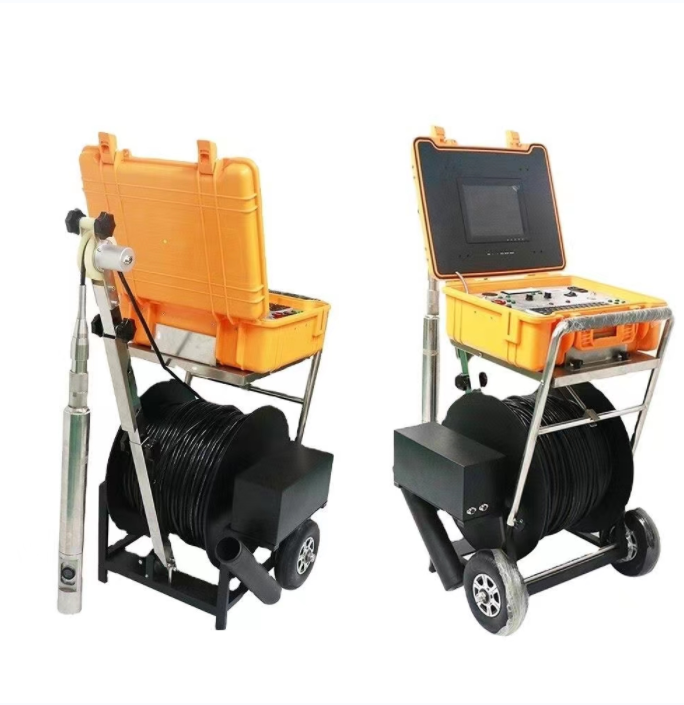
If you're using the ROV for inspection purposes, such as well inspections, our Well Inspection Dual View Camera System can be a great asset. It provides a dual - view perspective, allowing you to get a comprehensive view of the area you're inspecting.
Dealing with Challenges
Underwater environments can be unpredictable. You might encounter strong currents, low visibility, or obstacles. When faced with strong currents, try to move the ROV against the current in short, controlled bursts. This will help you maintain your position.
In low - visibility conditions, use the lights on the ROV to improve your view. You can also rely on other sensors, such as sonar, if your ROV is equipped with them. And when you encounter obstacles, use the camera to carefully navigate around them. Our Borehole Inspection Camera 200 Meters can help you detect obstacles in boreholes and other tight spaces.

Safety First
Safety should always be your top priority when operating an ROV. Make sure you have a proper safety plan in place. This includes having a backup power source, a way to retrieve the ROV in case of an emergency, and following all local regulations regarding underwater operations.
Maintaining the ROV
Regular maintenance is crucial for keeping your ROV in good working condition. After each use, clean the ROV thoroughly to remove any dirt, debris, or saltwater. Check the thrusters, cameras, and other components for any signs of damage. Replace any worn - out parts as soon as possible.
Training and Practice
The more you practice controlling the ROV, the better you'll get. Consider taking a training course if you're new to ROV operation. There are many online and in - person courses available that can teach you the ins and outs of ROV control.
Conclusion
Controlling an ROV robot is an exciting and challenging task. By understanding the basics, performing pre - flight checks, learning the controls, and dealing with challenges, you can become a proficient ROV operator. As a supplier of ROV robots, we're here to support you every step of the way. If you're interested in purchasing an ROV or have any questions about ROV control, don't hesitate to get in touch with us. We can provide you with the right equipment and advice to ensure a successful ROV operation.
References
- Underwater Robotics: Technology and Applications, by various authors
- Handbook of Remotely Operated Vehicles, edited by a team of experts in the field