
What is the weight of an ROV robot?
Leave a message

Hey there! As a supplier of ROV (Remotely Operated Vehicle) robots, I often get asked about the weight of these nifty machines. It's a crucial factor, especially when you're thinking about deployment, transportation, and overall functionality. So, let's dive into what the weight of an ROV robot really means and how it impacts different aspects of its use.
First off, the weight of an ROV robot can vary widely depending on its size, design, and intended purpose. Smaller ROVs, like those used for simple underwater inspections in shallow waters, can weigh as little as a few kilograms. These lightweight models are easy to handle and transport, making them a great choice for hobbyists or small - scale operations. For instance, if you're just checking out a small pond or a shallow harbor, a lightweight ROV can do the job without much hassle.
On the other hand, larger ROVs designed for deep - sea exploration or heavy - duty industrial tasks can be extremely heavy. Some of these beasts can weigh several tons! They're built to withstand high pressures at great depths and are equipped with powerful tools and sensors. These heavy - duty ROVs are used in oil and gas industries, scientific research, and underwater construction projects.
The weight of an ROV affects its buoyancy. A well - balanced ROV needs to have the right amount of weight to stay stable underwater. If it's too light, it might float to the surface easily, making it difficult to control. If it's too heavy, it could sink too quickly and be hard to maneuver. That's why proper weight distribution is key. Manufacturers spend a lot of time calculating and adjusting the weight to ensure optimal performance.
When it comes to transportation, the weight of an ROV is a major consideration. Lighter ROVs can be transported in a regular car or a small boat. You can just throw them in the trunk and head to your deployment site. But for the heavier ones, you might need a specialized truck or a large vessel. This adds to the overall cost of using the ROV, as you have to factor in transportation expenses.
Let's talk about the components that contribute to the weight of an ROV. The frame is one of the main factors. It needs to be strong enough to protect the internal components from the harsh underwater environment. Usually made of materials like aluminum or steel, the frame can add a significant amount of weight. The motors and thrusters are also heavy, as they need to generate enough power to move the ROV through the water. Additionally, the cameras, sensors, and other equipment add to the overall weight.
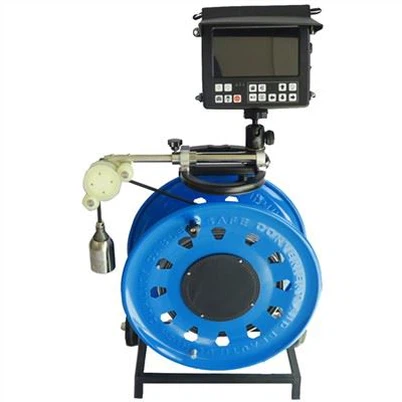
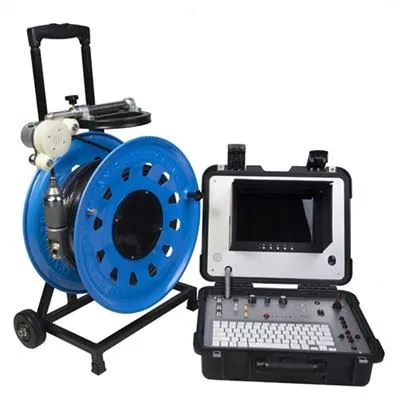
If you're in the market for an ROV, you might be interested in some of the products we offer. We have a range of ROVs with different weights and capabilities. For example, our 100m Underwater Vertical Observation Borehole AHD Waterproof Inspection Camera is a relatively lightweight option that's perfect for shallow - water inspections. It's easy to handle and provides high - quality images.
Our Borehole Inspection Camera is another great choice. It's designed for borehole inspections and has the right balance of weight and functionality. It can reach deep into boreholes and provide detailed inspections.
For more heavy - duty applications, our Oil Gas Borehole Camera For 5000m is a top - of - the - line product. It's built to withstand the high pressures and harsh conditions of deep - sea oil and gas exploration. Although it's heavier than the other models, it offers unparalleled performance.
Now, you might be wondering how the weight of an ROV affects its battery life. Heavier ROVs generally require more power to move, which means they'll drain the battery faster. This is an important factor to consider, especially if you're planning long - duration missions. You'll need to make sure you have enough battery capacity to keep the ROV running.
Another aspect to think about is the maintenance of an ROV, and weight plays a role here too. Heavier ROVs can be more difficult to lift and work on, which can increase the maintenance time and cost. However, they're often built with more durable components, which means they might need less frequent maintenance.
When choosing an ROV, you need to consider your specific needs. If you're just doing occasional inspections in shallow waters, a lightweight ROV will be sufficient. But if you're involved in large - scale industrial projects or deep - sea research, a heavier, more powerful ROV is the way to go.
In conclusion, the weight of an ROV robot is a complex factor that affects many aspects of its use. It impacts buoyancy, transportation, battery life, and maintenance. As a supplier, we understand the importance of finding the right balance for our customers. Whether you need a lightweight ROV for simple tasks or a heavy - duty one for challenging missions, we've got you covered.


If you're interested in learning more about our ROV products or have any questions about their weight and performance, feel free to reach out to us. We're here to help you make the best choice for your underwater needs. Let's start a conversation and see how we can work together to meet your requirements.
References
- General knowledge of ROV technology and engineering principles.
- Industry reports on underwater exploration and inspection equipment.