
How does the temperature affect the performance of a snake camera?
Leave a message

Hey there! As a snake camera supplier, I've seen firsthand how temperature can have a big impact on the performance of these nifty devices. Snake cameras, also known as borescopes or inspection cameras, are used in a wide range of industries, from plumbing and HVAC to automotive and aerospace. They're incredibly useful for getting a close-up look at hard-to-reach areas, but like any piece of technology, they're not immune to the effects of temperature.
Let's start by talking about how cold temperatures can affect snake cameras. When it gets really cold, the materials that make up the camera and its components can become more brittle. This means that they're more likely to crack or break if they're bumped or jostled. For example, the cable that connects the camera to the display unit is often made of a flexible material, but in cold weather, it can lose some of its flexibility and become more prone to damage.
The camera's battery is another component that can be affected by cold temperatures. Batteries work by converting chemical energy into electrical energy, and this process is slower in cold weather. As a result, the battery may not last as long as it does in warmer temperatures. You might find that your snake camera dies faster than usual, which can be a real pain if you're in the middle of an important inspection.
Cold temperatures can also affect the camera's image quality. The lens of the camera can fog up when it's cold, which can make it difficult to see clearly. This is because the moisture in the air condenses on the cold surface of the lens. To prevent this from happening, you can try using a lens heater or anti-fog spray.
On the other hand, high temperatures can also cause problems for snake cameras. When it's hot, the camera's internal components can overheat. This can lead to a variety of issues, including reduced image quality, slower processing speeds, and even permanent damage to the camera. For example, the camera's sensor can become damaged if it gets too hot, which can result in a loss of color accuracy or a decrease in resolution.
The cable that connects the camera to the display unit can also be affected by high temperatures. In hot weather, the cable can expand, which can cause it to become loose or even break. This can disrupt the connection between the camera and the display unit, making it impossible to view the images.
Another issue with high temperatures is that they can cause the battery to overheat. When a battery overheats, it can lose its capacity to hold a charge, which means that it won't last as long. In extreme cases, an overheated battery can even explode, which is obviously a serious safety hazard.
So, what can you do to protect your snake camera from the effects of temperature? Well, if you're working in cold weather, you can try to keep the camera warm by storing it in a insulated case or using a battery warmer. You can also try to limit the amount of time that the camera is exposed to the cold.
If you're working in hot weather, you can try to keep the camera cool by using a fan or placing it in a shaded area. You can also try to avoid using the camera for long periods of time without giving it a break. This will help to prevent the internal components from overheating.
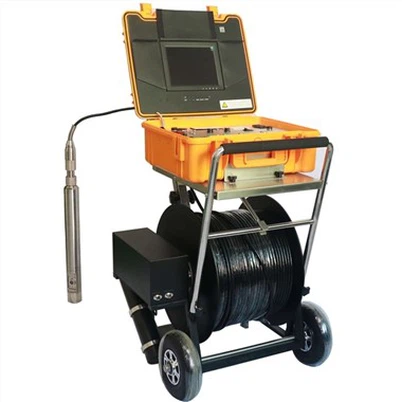
It's also important to choose a snake camera that is designed to withstand a wide range of temperatures. At our company, we offer a variety of snake cameras that are built to perform in extreme conditions. For example, our Pan & Tilt Pipe Inspection Camera is designed to work in temperatures ranging from -20°C to 60°C. This means that you can use it in both cold and hot environments without having to worry about the temperature affecting its performance.
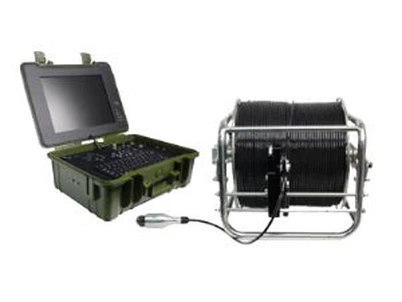
Our Endoscope Pipe Inspection Camera is another great option for those who need a camera that can handle extreme temperatures. It's built with high-quality materials that are resistant to heat and cold, and it has a powerful battery that can last for hours even in hot weather.


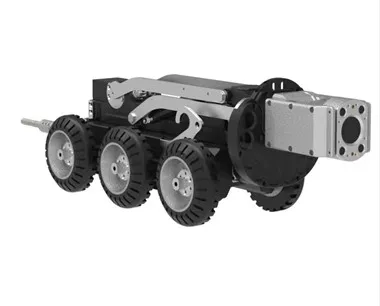
If you're looking for a more advanced snake camera, our Pipe Inspection Crawler Robot is the perfect choice. It's designed to navigate through pipes and other tight spaces, and it can withstand temperatures ranging from -10°C to 50°C. This makes it ideal for use in a variety of industries, including plumbing, HVAC, and industrial inspection.
In conclusion, temperature can have a significant impact on the performance of a snake camera. Cold temperatures can make the camera's components more brittle, reduce the battery life, and fog up the lens. High temperatures can cause the camera to overheat, which can lead to a variety of issues, including reduced image quality and permanent damage to the camera. However, by choosing a snake camera that is designed to withstand a wide range of temperatures and taking steps to protect it from the elements, you can ensure that your camera performs at its best no matter what the weather is like.
If you're interested in learning more about our snake cameras or have any questions about how temperature can affect their performance, please don't hesitate to contact us. We're always happy to help and can provide you with all the information you need to make an informed decision. Let's start a conversation about your specific needs and see how our snake cameras can meet them.
References
- Camera Technology Handbook
- Electronic Components and Their Temperature Effects