
How do I use a pipe camera to measure pipe diameter?
Leave a message

When it comes to assessing the condition and dimensions of pipes, a pipe camera is an invaluable tool. As a supplier of high - quality pipe cameras, I've witnessed firsthand how these devices can revolutionize the way we conduct pipe inspections and measurement. In this article, I'll share how to use a pipe camera to measure pipe diameter effectively.
Understanding the Basics of a Pipe Camera
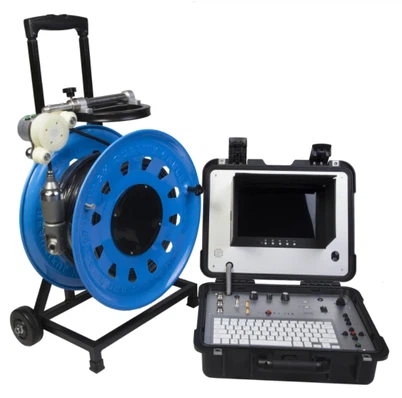
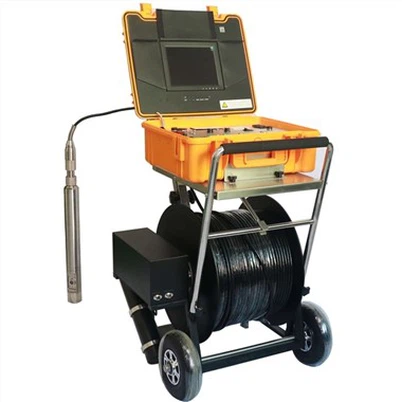
A pipe camera is a specialized device designed to be inserted into pipes to provide visual inspection. It typically consists of a camera head, a cable, and a monitor. The camera head is equipped with lights to illuminate the inside of the pipe, allowing for clear visualization of the pipe's interior. Our company offers a range of pipe cameras, including the Factory Borehole Water Well Camera, Borehole Inspection Camera, and Borewell Inspection Camera, which are suitable for different types of pipe and borehole inspections.
Preparing for Pipe Diameter Measurement
Before starting the measurement process, it's essential to make proper preparations. First, ensure that the pipe camera you're using is in good working condition. Check the camera lens for any dirt or damage, and make sure the lights are functioning correctly. The camera cable should also be inspected for any signs of wear or tangles.


Next, determine the access point to the pipe. This could be a manhole, an open end of the pipe, or a specially designed inspection port. Clean the access point to remove any debris or obstructions that might interfere with the insertion of the camera.
Measure the depth of the pipe where you want to take the diameter measurement. This information can be useful for positioning the camera accurately. Some pipe cameras come with depth sensors that can automatically record the depth as the camera is inserted into the pipe.
Inserting the Pipe Camera
Once you've completed the preparations, it's time to insert the pipe camera. Slowly and carefully feed the camera head into the pipe through the access point. Make sure to keep the cable straight to avoid kinks or twists. As the camera advances, monitor the image on the screen to ensure that the camera is centered within the pipe and that the field of view covers the entire cross - section of the pipe as much as possible.
Taking the Measurement
There are a few different methods for measuring pipe diameter using a pipe camera.
Method 1: Using a Calibrated Scale
Some pipe cameras are equipped with a calibrated scale on the camera head or in the software of the monitor. This scale provides a reference for measuring distances within the pipe. To measure the diameter, simply align the scale with the inner walls of the pipe on the screen. Measure the distance between the two opposite points on the inner wall of the pipe where the scale intersects. This measured value will give you an approximation of the pipe diameter.
Method 2: Image Analysis
If your pipe camera is connected to a computer or a device with image - processing capabilities, you can use image - analysis software. First, capture a clear image of the pipe's cross - section. Then, import the image into the software. Most image - analysis software allows you to set a scale based on a known reference length. If you have a calibration object of a known size in the pipe (such as a calibration rod), you can use it to set the scale. Once the scale is set, you can use the software's measurement tools to measure the distance across the pipe's inner diameter.
Method 3: Comparing with Known Objects
In some cases, you may not have a calibrated scale or image - analysis software. In such situations, you can use a known object of a fixed size that is visible in the pipe. For example, if you have a pipe fitting of a known diameter in the pipe, you can compare it with the overall size of the pipe on the screen. By using basic proportionality principles, you can estimate the pipe diameter.
Factors Affecting Measurement Accuracy
While using a pipe camera to measure pipe diameter can be a reliable method, there are several factors that can affect the accuracy of the measurement.
Camera Positioning
If the camera is not centered within the pipe, the measured diameter may be inaccurate. It's crucial to ensure that the camera is as close to the center of the pipe's cross - section as possible. A slight deviation from the center can lead to an over - or underestimate of the diameter.
Distortion
Some pipe cameras may produce distorted images, especially at the edges of the field of view. This distortion can cause errors in the diameter measurement. It's important to use high - quality cameras that have minimal distortion, and to focus on the central part of the image where distortion is usually less significant.
Pipe Wall Conditions
The condition of the pipe wall can also affect the measurement. If the pipe wall has deposits, corrosion, or irregularities, it may be difficult to accurately determine the inner diameter. In such cases, it may be necessary to take multiple measurements at different locations along the pipe and then calculate an average value.
Post - measurement Analysis
After taking the measurements, it's important to analyze the data. If you've taken multiple measurements, calculate the average value to get a more accurate representation of the pipe diameter. You can also create a report that includes the measurement results, the location within the pipe where the measurements were taken, and any observations about the pipe's condition.
Conclusion
Using a pipe camera to measure pipe diameter is a practical and efficient method. By following the proper procedures and taking into account the factors that can affect accuracy, you can obtain reliable measurements. As a pipe camera supplier, we are committed to providing our customers with high - quality products and support. If you're in need of a pipe camera for your inspection and measurement needs, or if you have any questions about our Factory Borehole Water Well Camera, Borehole Inspection Camera, or Borewell Inspection Camera, we encourage you to contact us for further discussion and procurement. We look forward to helping you with your pipe - related projects.
References
- Pipe Inspection Technology Handbook, various industry publications
- Manufacturer's manuals for pipe cameras used in the described measurement processes