
How do I transport a pipe camera safely?
Leave a message

Hey there! I'm a supplier of pipe cameras, and I often get asked about how to transport these nifty devices safely. Pipe cameras are super useful for inspecting pipes, boreholes, and all sorts of hard - to - reach places. But they're also delicate pieces of equipment, so getting them from point A to point B without any damage is crucial. In this blog, I'll share some tips on how to do just that.
Understanding the Importance of Safe Transport
First off, why is safe transport so important? Well, a damaged pipe camera can lead to inaccurate inspections, which can be a huge headache for your clients. It can also cost you money in repairs or replacements. Plus, if you're known for delivering damaged equipment, it can harm your reputation as a supplier. So, taking the time to transport your pipe cameras safely is definitely worth it.
Pre - Transport Preparation
Before you even think about moving your pipe camera, there are a few things you need to do.
Cleaning and Maintenance
Start by giving your pipe camera a good clean. Remove any dirt, debris, or moisture that might have accumulated during use. This not only helps to keep the camera in good working condition but also prevents any contaminants from causing damage during transport. Check the camera lens, the flexible cable, and the control unit for any signs of wear or damage. If you notice anything, get it fixed before you transport the camera.
Disassembly (if applicable)
Some pipe cameras can be disassembled for easier transport. If yours is one of them, carefully follow the manufacturer's instructions to take it apart. Make sure to label all the parts so you can easily put them back together later. This can reduce the risk of parts getting damaged or lost during transit.
Packaging
Invest in high - quality packaging materials. A sturdy, padded case is a must. Look for a case that's specifically designed for pipe cameras or one that can be customized to fit your device snugly. You can also use foam inserts or bubble wrap to provide extra protection. Place the camera and its accessories in the case, making sure they're secure and won't move around during transport.
Choosing the Right Mode of Transport
The way you transport your pipe camera depends on a few factors, such as the distance, the urgency, and the level of protection required.
Local Transport
If you're transporting the camera locally, you can use a car or a van. Make sure to place the case in a stable position where it won't be jostled around too much. Avoid leaving the camera in the car for long periods, especially in extreme temperatures, as this can damage the electronic components.
Long - Distance Transport
For long - distance transport, you might consider using a courier service. Look for a reputable courier that specializes in transporting delicate equipment. Make sure they offer insurance in case of damage or loss. Provide them with clear instructions on how to handle the package, such as "this side up" or "handle with care."
International Transport
If you're shipping the camera internationally, things get a bit more complicated. You'll need to deal with customs regulations, which can vary from country to country. Make sure you have all the necessary documentation, such as a commercial invoice and a packing list. Consider using a freight forwarder who can help you navigate the international shipping process.
Handling During Transport
Once your pipe camera is on the move, there are still some things you can do to ensure its safety.
Avoid Rough Handling
Whether it's in transit or being loaded and unloaded, make sure the camera is handled gently. Rough handling can cause internal damage to the camera or its components. If you're using a courier, ask them to take extra care with your package.
Temperature and Humidity Control
Pipe cameras are sensitive to extreme temperatures and humidity. If possible, choose a mode of transport that offers climate - controlled conditions. If not, try to avoid transporting the camera during very hot or cold weather. You can also use desiccant packs in the case to absorb any moisture.


After - Transport Checks
Once your pipe camera arrives at its destination, it's important to do a final check.
Reassembly (if applicable)
If you disassembled the camera before transport, carefully put it back together following the manufacturer's instructions. Make sure all the connections are secure.
Testing
Power up the camera and test it to make sure it's working properly. Check the image quality, the functionality of the controls, and the flexibility of the cable. If you notice any problems, contact your technical support team or the manufacturer right away.
Our Pipe Camera Products
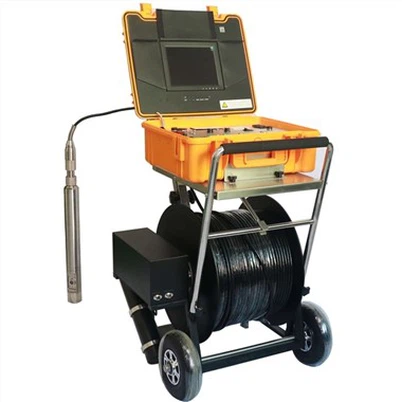
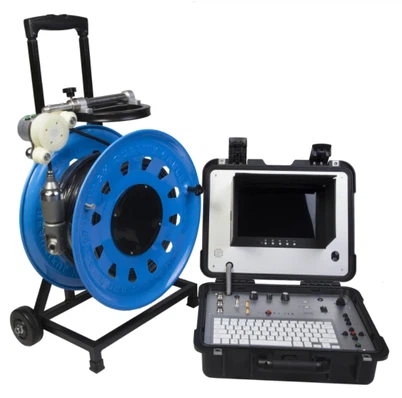
As a pipe camera supplier, we offer a range of high - quality products that are designed for easy and safe transport. Our Flexible Cable Industrial Borehole Camera is perfect for inspecting boreholes and pipes. It comes with a durable, flexible cable that can withstand the rigors of transport. Our Underwater dual view borescope inspection camera is another great option for underwater inspections. It's compact and easy to transport, making it ideal for on - site use. And our Borewell Inspection Camera is designed to provide clear and accurate images of borewells.
Contact Us for Purchasing
If you're in the market for a pipe camera, we'd love to hear from you. Whether you have questions about our products, need advice on transport, or are ready to make a purchase, just reach out to us. We're here to help you find the right pipe camera for your needs and ensure it gets to you safely.
References
- General knowledge about pipe camera technology and transport best practices.
- Manufacturer's guidelines for pipe camera cleaning, maintenance, and transport.