
How do I measure the distance inside pipes using a sewer camera?
Leave a message

Hey there! As a supplier of sewer cameras, I often get asked about how to measure the distance inside pipes using our cameras. It's a crucial aspect when it comes to inspecting sewer systems, as knowing the exact distances can help in pinpointing problems accurately, planning repairs, and maintaining the overall integrity of the pipes. In this blog post, I'll walk you through the process and share some tips on getting the most accurate measurements.
First off, let's talk about why measuring distances inside pipes is so important. When you're dealing with sewer systems, there could be all sorts of issues like blockages, cracks, or root intrusions. Knowing where exactly these problems are located is key to fixing them efficiently. For example, if there's a blockage 30 feet from the access point, you can send in the right tools to clear it without having to guess and waste time exploring the entire pipe.
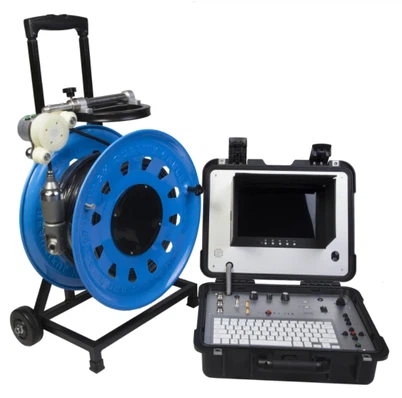
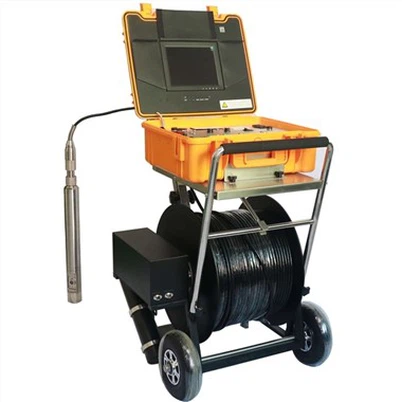
Now, let's get into how our sewer cameras can help with distance measurement. Most of our sewer cameras come with built - in distance measurement systems. These systems work in a few different ways. One common method is through an encoder wheel. The encoder wheel is attached to the cable that feeds the camera into the pipe. As the cable is pulled in or out, the encoder wheel rotates, and it counts the number of rotations. Each rotation corresponds to a certain length of cable that has been moved. The camera's control unit then takes this information and calculates the distance based on the known circumference of the encoder wheel.
Another way some of our advanced models measure distance is through electronic sensors. These sensors can detect the movement of the cable and use algorithms to calculate the distance traveled. The advantage of these electronic sensors is that they can be more accurate and are less prone to errors caused by slippage, which can sometimes happen with encoder wheels.


To start measuring the distance using our sewer camera, first, you need to set up the camera correctly. Make sure the encoder wheel (if applicable) is properly attached to the cable and is rotating freely. You'll also want to calibrate the distance measurement system. This usually involves entering some basic information about the cable and the encoder wheel (such as the circumference) into the camera's control unit.
Once everything is set up and calibrated, you're ready to start the inspection. Feed the camera into the pipe through the access point. As the camera moves along the pipe, the distance measurement system will start recording the distance. You can monitor the distance on the camera's display screen. Most of our cameras show the distance in real - time, so you can keep track of how far the camera has traveled at any given moment.
It's important to note that there are a few factors that can affect the accuracy of the distance measurement. One of these factors is the condition of the pipe. If the pipe has a lot of bends, curves, or rough surfaces, the cable might not move in a perfectly straight line. This can cause the encoder wheel to skip or slip, leading to inaccurate distance readings. To minimize this issue, try to keep the cable as straight as possible while it's being fed into the pipe. You can also use a guide or a lubricant to help the cable move more smoothly.
Another factor is the tension on the cable. If the cable is too loose, it might bunch up or sag, which can again affect the rotation of the encoder wheel. On the other hand, if the cable is too tight, it could put too much stress on the encoder wheel or the electronic sensors. So, it's important to maintain a consistent and appropriate tension on the cable throughout the inspection.
Now, let's say you encounter a problem in the pipe, like a crack or a blockage. Once you've located the problem, you can use the distance measurement to mark the exact location. This can be really helpful for future reference, especially if you need to come back and make repairs. You can also use the distance measurement to create a detailed map of the pipe system, which can be useful for long - term maintenance and planning.
If you're looking for more specialized cameras for other applications, we also offer Borehole Inspection Camera, Factory Borehole Water Well Camera, and Borehole Water Well Camera. These cameras are designed for inspecting boreholes and water wells, and they also come with similar distance measurement capabilities.
In conclusion, measuring the distance inside pipes using our sewer cameras is a relatively straightforward process, but it does require some attention to detail. By following the steps I've outlined and being aware of the factors that can affect accuracy, you can get reliable distance measurements that will help you in your pipe inspections.
If you're in the market for a sewer camera or have any questions about our products and how they can help with distance measurement, don't hesitate to reach out. We're here to help you find the right solution for your needs and ensure that you get the most accurate and useful data from your pipe inspections.
References:
- Industry standards for sewer camera technology
- Manufacturer's manuals for our sewer cameras