

How do I change the settings of a pipe camera?
Leave a message

How do I change the settings of a pipe camera?
As a seasoned supplier of pipe cameras, I understand that many users may encounter difficulties when it comes to adjusting the settings of these essential inspection tools. In this blog post, I'll guide you through the process of changing the settings of a pipe camera, ensuring you can get the most out of your equipment for accurate and efficient inspections.
Understanding the Basics of Pipe Camera Settings
Before diving into the specific steps of changing settings, it's crucial to have a basic understanding of what these settings are and how they impact the performance of your pipe camera. Pipe cameras typically come with a range of adjustable settings, including image resolution, brightness, contrast, color saturation, and focus. Each of these settings plays a vital role in capturing clear and detailed images of the inside of pipes, which is essential for identifying issues such as blockages, cracks, and corrosion.
Image Resolution
Image resolution refers to the number of pixels in an image, which determines its clarity and detail. Higher resolution settings result in sharper and more detailed images, but they also require more storage space and may slow down the camera's performance. When choosing an image resolution, consider the specific requirements of your inspection and the available storage capacity of your camera or recording device.
Brightness and Contrast
Brightness and contrast settings are used to adjust the overall lightness and darkness of the image, as well as the difference between the light and dark areas. Properly adjusting these settings can help improve the visibility of details in the pipe, especially in low-light conditions or when inspecting pipes with reflective surfaces.
Color Saturation
Color saturation refers to the intensity of colors in an image. Adjusting the color saturation can enhance the visual appeal of the image and make it easier to distinguish between different materials and features inside the pipe.

Focus
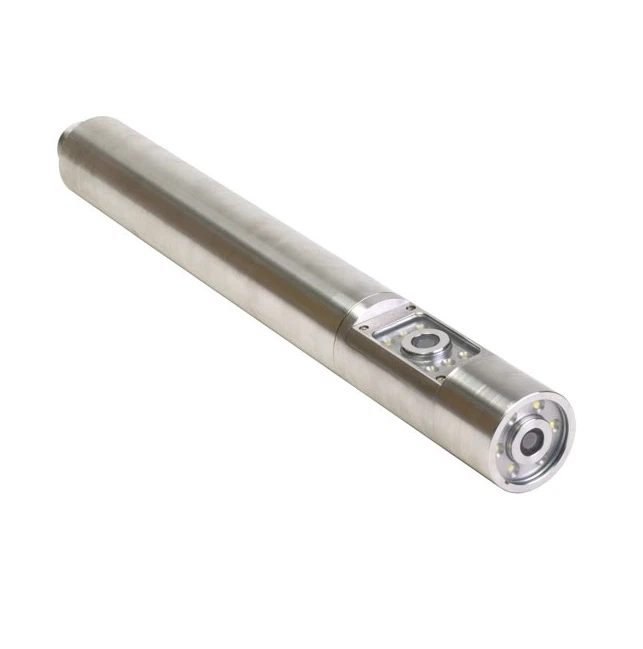
Focus settings are used to ensure that the image is sharp and clear. Most pipe cameras come with autofocus functionality, which automatically adjusts the focus based on the distance between the camera and the object being inspected. However, in some cases, manual focus adjustment may be necessary to achieve the best results.
Step-by-Step Guide to Changing Pipe Camera Settings
Now that you have a basic understanding of the different settings available on a pipe camera, let's walk through the process of changing these settings step by step.
Step 1: Power On the Camera
Before you can start adjusting the settings, make sure your pipe camera is powered on and fully functional. Connect the camera to a power source or insert the batteries, if required.
Step 2: Access the Settings Menu
Most pipe cameras have a dedicated settings menu that can be accessed using a button or a combination of buttons on the camera's control panel. Refer to the user manual of your camera for specific instructions on how to access the settings menu.
Step 3: Navigate to the Desired Setting
Once you have accessed the settings menu, use the arrow keys or other navigation controls on the camera's control panel to navigate to the setting you want to change. The settings menu may be organized into different categories, such as image settings, recording settings, and system settings.
Step 4: Adjust the Setting
Once you have selected the desired setting, use the up and down arrow keys or other adjustment controls to increase or decrease the value of the setting. Some cameras may also allow you to enter a specific value using the numeric keypad.
Step 5: Preview the Changes
After making an adjustment to a setting, preview the changes on the camera's display screen to see how they affect the image quality. If necessary, make further adjustments until you are satisfied with the results.
Step 6: Save the Settings
Once you have finished adjusting the settings, save the changes to the camera's memory. This will ensure that the settings are retained even if the camera is powered off or reset.
Tips for Optimizing Pipe Camera Settings
In addition to following the step-by-step guide above, here are some tips for optimizing the settings of your pipe camera for different inspection scenarios:
Low-Light Conditions
In low-light conditions, such as when inspecting underground pipes or pipes in dark areas, it may be necessary to increase the brightness and contrast settings to improve the visibility of details. You may also want to consider using a camera with built-in lighting or attaching an external light source to the camera.
Reflective Surfaces
When inspecting pipes with reflective surfaces, such as metal pipes or pipes with a glossy finish, reducing the brightness and increasing the contrast settings can help minimize glare and improve the clarity of the image. You may also want to adjust the angle of the camera to avoid direct reflection of light.
Long-Distance Inspections
For long-distance inspections, it may be necessary to increase the image resolution to capture clear and detailed images of the pipe walls. However, keep in mind that higher resolution settings require more storage space and may slow down the camera's performance. You may also want to consider using a camera with a longer cable or a wireless transmission system to extend the range of the inspection.
Recommended Pipe Camera Products
As a pipe camera supplier, I offer a wide range of high-quality pipe cameras to meet the diverse needs of my customers. Here are some of my recommended products:
- Underwater dual view borescope inspection camera: This camera is designed for underwater inspections and features a dual view function that allows you to see both the front and side views of the pipe simultaneously. It is equipped with high-resolution imaging sensors and built-in lighting for clear and detailed images.
- Borehole Water Well Camera: This camera is specifically designed for inspecting boreholes and water wells. It is waterproof and can be submerged in water up to a certain depth. It features a high-resolution camera and a long cable for deep inspections.
- Borehole Deep Water Inspection Camera: This camera is suitable for deep water inspections and can be used in boreholes, wells, and other underwater environments. It is equipped with a powerful light source and a high-resolution camera for clear and detailed images even in low-light conditions.
Contact Us for More Information
If you have any questions about changing the settings of a pipe camera or if you are interested in purchasing a pipe camera, please feel free to contact us. Our team of experts is available to provide you with personalized advice and support to help you choose the right camera for your needs. We also offer competitive pricing, fast shipping, and excellent customer service. Don't hesitate to reach out to us today to start your pipe inspection project with confidence.
References
- Manufacturer's user manuals for pipe cameras
- Industry standards and guidelines for pipe inspection


