
Can ROV robots be used for underwater telecommunications cable inspection?
Leave a message

Hey there! As a supplier of ROV (Remotely Operated Vehicle) robots, I often get asked if these nifty machines can be used for underwater telecommunications cable inspection. Well, let's dive right into it and find out!
First off, what exactly are ROV robots? They're basically unmanned underwater vehicles that are controlled remotely from the surface. Think of them as your high - tech underwater eyes and hands. These robots come equipped with a variety of tools and sensors, making them super versatile for different underwater tasks.
Now, why would we even want to use ROVs for telecommunications cable inspection? Underwater telecommunications cables are the backbone of global communication. They carry vast amounts of data across the oceans, connecting continents and enabling everything from international phone calls to streaming services. But these cables are constantly at risk. They can be damaged by natural disasters like earthquakes and tsunamis, as well as human activities such as fishing and shipping.

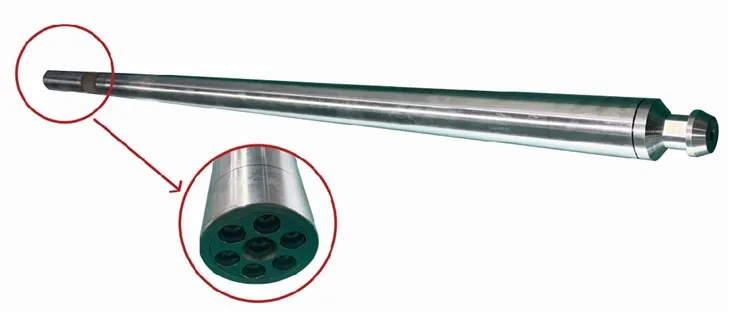
One of the key advantages of using ROV robots for cable inspection is their ability to reach great depths. Some of these underwater cables are laid in extremely deep waters, where it's almost impossible for human divers to go. ROVs can easily handle these conditions. They're built to withstand high pressure and can operate at depths of thousands of meters. For example, our ROVs are designed to be robust and can go down to depths where the pressure is incredibly high, ensuring that no part of the cable network is out of reach.
Another great thing about ROVs is their maneuverability. They can be precisely controlled to navigate around the cables, even in complex underwater terrains. They can move forward, backward, up, down, and sideways with ease. This allows them to get a close - up look at the cables, checking for any signs of damage such as cuts, abrasions, or corrosion.
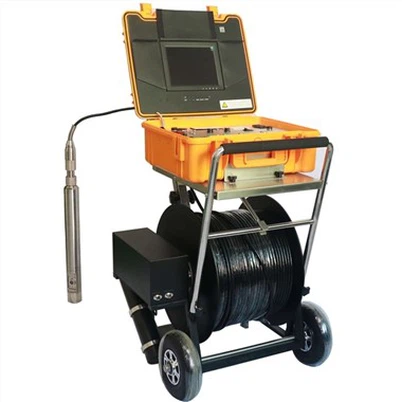
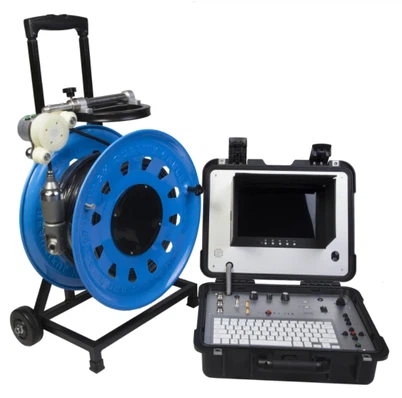
ROVs are also equipped with high - quality cameras and sensors. The cameras provide clear visual images of the cables, which can be transmitted in real - time to the operators on the surface. This enables quick and accurate assessment of the cable's condition. For instance, our ROVs are often paired with top - notch camera systems like the Drilling Deep Well Underwater Operation Camera System, which offers excellent image quality even in low - light underwater environments.
In addition to cameras, ROVs can have other sensors such as sonar. Sonar can be used to detect any changes in the cable's shape or position. It can also help in identifying any potential obstacles or debris near the cable. This comprehensive set of sensors gives us a complete picture of the cable's situation.
Let's talk about the cost - effectiveness of using ROVs for cable inspection. Hiring human divers for deep - sea cable inspection is not only dangerous but also very expensive. Divers need special training, equipment, and support teams. In contrast, ROVs can be deployed relatively quickly and at a lower cost. They can work for long hours without getting tired, and they can be reused for multiple inspection missions.
However, it's not all smooth sailing. There are some challenges when using ROVs for cable inspection. One of the main issues is the communication between the ROV and the surface. The underwater environment can interfere with the signals, causing delays or even loss of communication. But we've been working hard on improving our communication systems to ensure reliable and stable connections.
Another challenge is the power supply. ROVs need a continuous power source to operate. We've developed advanced power management systems for our ROVs to ensure they can stay underwater for extended periods without running out of power.
Now, when it comes to the types of ROVs suitable for cable inspection, there are different models available. Smaller, more agile ROVs are great for inspecting cables in shallow waters or in areas with a lot of obstacles. They can easily maneuver around tight spaces. On the other hand, larger ROVs are better for long - distance cable inspections in deeper waters. They can carry more equipment and have greater endurance.
Our company offers a wide range of ROVs that are specifically designed for underwater telecommunications cable inspection. We've also got a variety of camera systems that can be paired with our ROVs, like the Oil Gas Borehole Camera For 5000m and the 100m Underwater Vertical Observation Borehole AHD Waterproof Inspection Camera. These cameras can provide high - resolution images and help in accurate inspection of the cables.
In conclusion, ROV robots are definitely a great option for underwater telecommunications cable inspection. They offer a safe, cost - effective, and efficient way to monitor the condition of these vital cables. With the continuous improvement of technology, the performance of ROVs is only going to get better.
If you're in the business of underwater telecommunications cable management and are looking for a reliable ROV solution, don't hesitate to get in touch. We're here to help you with all your inspection needs and provide you with the best - in - class ROV robots and camera systems. Let's work together to keep those underwater cables in top shape!
References:
- Industry reports on underwater telecommunications cable infrastructure
- Technical specifications of ROV robots and underwater camera systems