
Can ROV robots be used for underwater power plant inspection?
Leave a message

Hey there! As a supplier of ROV (Remotely Operated Vehicle) robots, I've been getting a lot of questions lately about whether these nifty machines can be used for underwater power plant inspection. Well, let me tell you, the answer is a resounding yes! In this blog, I'll break down why ROV robots are a great fit for this task, the benefits they bring, and how they stack up against traditional inspection methods.
First off, let's talk about what makes underwater power plants so challenging to inspect. These facilities are often located in deep, dark, and harsh underwater environments. There might be strong currents, low visibility due to sediment, and the presence of various types of marine life. All these factors make it difficult and dangerous for human divers to carry out comprehensive inspections.

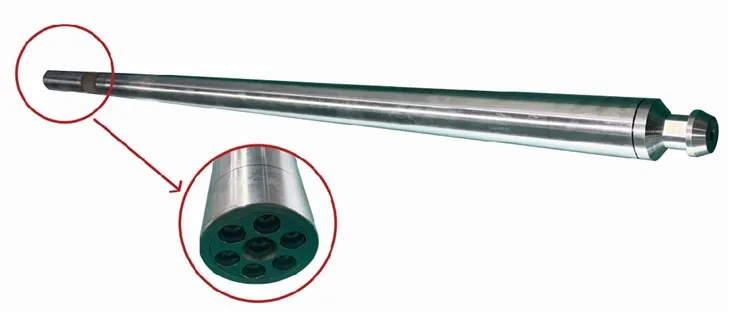
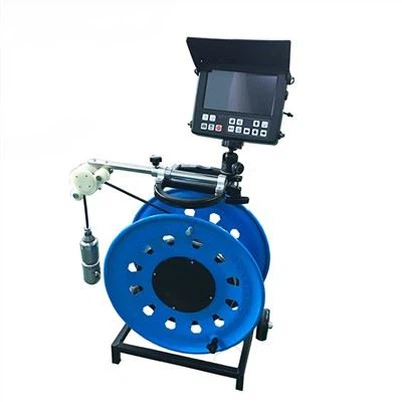
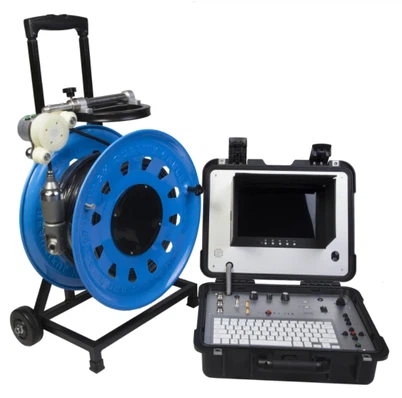
That's where ROV robots come in. These little guys are designed to operate in extreme conditions. They're equipped with powerful thrusters that allow them to navigate through strong currents with ease. And when it comes to visibility, they're fitted with high - resolution cameras that can capture clear images even in low - light situations. For example, our Drilling Inspection Camera Waterproof 30 Bar can withstand high water pressure and provide detailed visuals of the power plant's components.
One of the major advantages of using ROV robots for underwater power plant inspection is safety. Sending human divers into these potentially hazardous environments puts their lives at risk. There's always the danger of decompression sickness, getting entangled in equipment, or being attacked by marine life. With ROVs, we can keep our operators safe on the surface while still getting the job done. The operators control the ROVs using a remote control system, and they can monitor the inspection process in real - time on a screen.
Another benefit is efficiency. ROV robots can cover a large area in a relatively short amount of time. They can move quickly between different parts of the power plant, and with multiple cameras and sensors, they can collect a vast amount of data. This data can then be analyzed to detect any signs of damage, corrosion, or other issues. In contrast, human divers have limited endurance and can only inspect a small area at a time.
Cost - effectiveness is also a big factor. Hiring human divers for underwater inspections can be extremely expensive. There are costs associated with training, equipment, and safety measures. On the other hand, ROV robots are a one - time investment. Once you purchase an ROV, the only ongoing costs are maintenance and occasional upgrades. Over time, this can result in significant cost savings for power plant operators.
Now, let's take a closer look at the capabilities of our ROV robots. Our ROVs are not just simple cameras on a tether. They're highly sophisticated machines with a range of advanced features. For instance, they're equipped with sonar systems that can create detailed 3D maps of the underwater environment. This helps the operators to better understand the layout of the power plant and identify any potential obstacles.
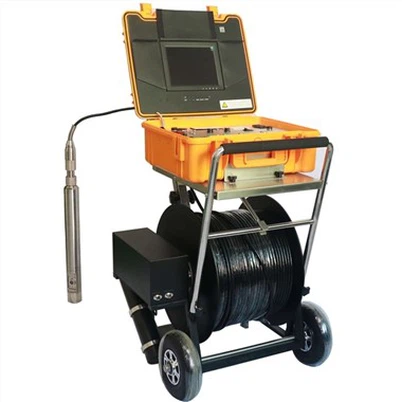
We also offer different models of ROVs to suit different inspection needs. If you need to inspect a deep - water well, our Deep Water Well Inspection Camera Underground Underwater Inspection Camera is the perfect choice. It's designed to operate at great depths and can provide clear images of the well's interior. And for oil and gas boreholes up to 5000m deep, our Oil Gas Borehole Camera For 5000m is a reliable option.
In addition to cameras and sonar, our ROVs can be fitted with other sensors such as temperature sensors, pressure sensors, and chemical sensors. These sensors can detect changes in the environment that might indicate a problem. For example, a sudden increase in temperature could be a sign of overheating equipment, and abnormal chemical readings could suggest a leak.
When it comes to data collection and analysis, our ROVs are top - notch. The data collected by the cameras and sensors is transmitted in real - time to the surface, where it can be stored and analyzed. Our software can identify patterns and anomalies in the data, making it easier to spot potential issues before they become major problems. This proactive approach to maintenance can save power plant operators a lot of money in the long run.
But how do ROV robots compare to other inspection methods? Traditional methods like using static cameras or sending down simple probes have their limitations. Static cameras can only capture a fixed view, and they lack the mobility of ROVs. Simple probes can only collect basic data and don't have the advanced imaging and sensing capabilities of our ROVs.
In conclusion, ROV robots are an excellent choice for underwater power plant inspection. They offer safety, efficiency, cost - effectiveness, and advanced capabilities. Whether you're looking to inspect a small - scale underwater power plant or a large - scale industrial facility, our ROVs can get the job done.
If you're interested in learning more about our ROV robots or would like to discuss your specific inspection needs, I'd love to hear from you. We can have a chat about how our technology can be tailored to your requirements and how it can benefit your power plant operations. Don't hesitate to reach out for a friendly and informative discussion about procurement and how we can work together to ensure the smooth running of your underwater power plant.
References
- "Underwater Robotics: Technology and Systems" by X. Yun
- "Inspection Techniques for Underwater Structures" by J. Smith