
Can a sewer camera be used for inspecting high - pressure pipes?
Leave a message

Hey there! As a supplier of sewer cameras, I often get asked a bunch of questions about what these nifty gadgets can and can't do. One question that pops up quite a bit is, "Can a sewer camera be used for inspecting high - pressure pipes?" Well, let's dig into this topic and find out.
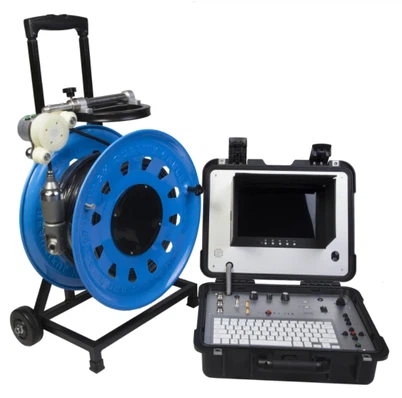
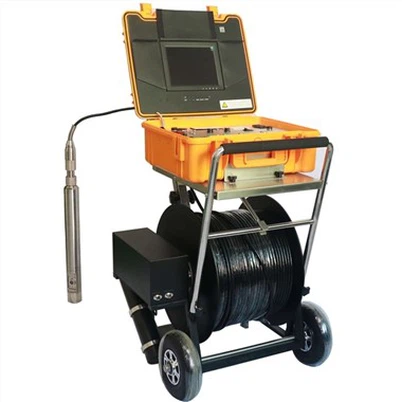
First off, let's understand what sewer cameras are all about. Sewer cameras are amazing tools that have revolutionized the way we inspect underground pipes and sewers. They usually come with a flexible cable that can be inserted into pipes, and at the end of the cable, there's a camera. This camera sends real - time video footage back to a monitor, allowing us to see what's going on inside the pipes without having to dig them up. It's like having a pair of eyes inside the pipes!
Now, high - pressure pipes are a different ballgame. These pipes are designed to carry fluids or gases at high pressures. They're commonly used in industries like oil and gas, water treatment, and manufacturing. The pressure inside these pipes can be extremely high, and any damage or blockage can lead to serious problems, such as leaks, explosions, or production shutdowns.
So, can a sewer camera handle the job of inspecting high - pressure pipes? The short answer is, it depends.
Compatibility with Pressure
One of the main concerns when using a sewer camera in high - pressure pipes is whether the camera can withstand the pressure. Most standard sewer cameras are designed for low - to medium - pressure environments. The housing of the camera and the cable need to be strong enough to resist the force exerted by the high - pressure fluid or gas inside the pipe.
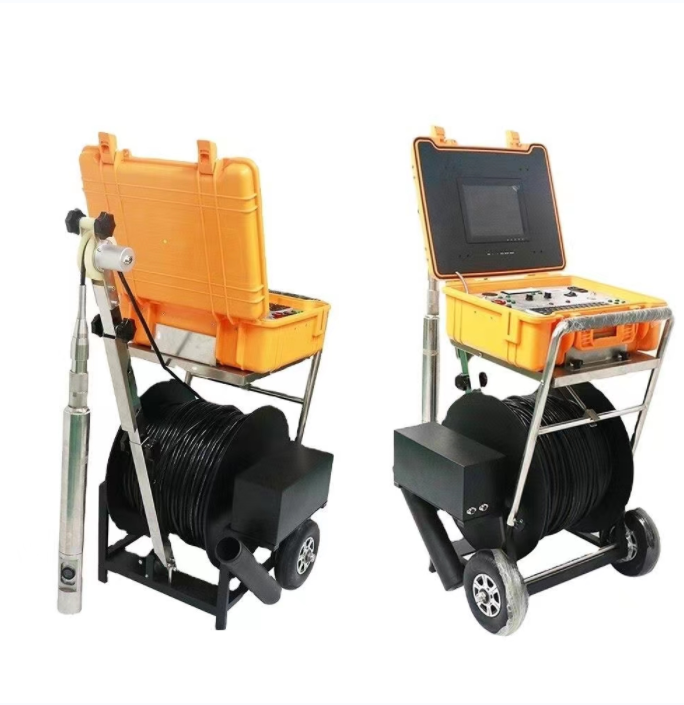
Some of our more advanced models, like the Flexible Cable Industrial Borehole Camera, are built with robust materials that can handle higher pressures. These cameras have reinforced housings and cables that are designed to prevent damage from the high - pressure environment. However, it's crucial to check the specifications of the camera before using it in a high - pressure situation. If the pressure exceeds the camera's rated capacity, it could lead to failure, and you might end up losing the camera and getting inaccurate inspection results.
Camera Movement and Maneuverability
Another factor to consider is the camera's ability to move and maneuver inside the high - pressure pipe. High - pressure pipes often have complex layouts, with bends, elbows, and junctions. The sewer camera needs to be able to navigate through these obstacles smoothly.
Our Borewell Inspection Camera is equipped with a flexible cable that can bend and turn easily. This allows it to reach different parts of the pipe, even in tight spaces. However, the high - pressure flow inside the pipe can sometimes make it difficult for the camera to move as intended. The force of the fluid or gas can push the camera around, making it challenging to get a clear view of the pipe walls. In some cases, additional equipment, such as guide wires or robotic crawlers, might be needed to help the camera move more effectively.

Video Quality and Lighting
Good video quality is essential for a successful pipe inspection. In high - pressure pipes, there are several factors that can affect the video quality. The high - pressure flow can cause turbulence, which might make the water or gas inside the pipe cloudy. This can reduce the clarity of the video footage.
Our Underwater dual view borescope inspection camera is designed with high - quality lenses and lighting systems to overcome these challenges. The camera has powerful LED lights that can illuminate the inside of the pipe, even in low - light conditions. However, it's still important to note that the high - pressure environment can pose some limitations. For example, the pressure might cause the camera lens to fog up, which can also affect the video quality.
Safety Considerations
Safety is always a top priority when working with high - pressure pipes. Using a sewer camera in these pipes requires proper training and safety precautions. The high - pressure fluid or gas inside the pipe can be dangerous, and any mistake during the inspection process can lead to serious accidents.
Before using a sewer camera in a high - pressure pipe, it's important to shut off the pressure source and follow all the safety procedures. Make sure the camera is properly installed and secured to prevent it from getting damaged or causing any leaks. Also, always wear appropriate safety gear, such as gloves and goggles, to protect yourself from any potential hazards.
When It's a Good Idea
There are some situations where using a sewer camera for high - pressure pipe inspection can be a great idea. For example, if you suspect a small blockage or damage in a high - pressure pipe and you want to avoid costly and time - consuming excavation, a sewer camera can be a cost - effective solution. It can help you quickly identify the problem area and plan the necessary repairs.
Also, in some industries where continuous monitoring of high - pressure pipes is required, sewer cameras can be used as a non - invasive way to keep an eye on the pipe's condition. This can help prevent major breakdowns and ensure the smooth operation of the system.
When It's Not a Good Idea
On the other hand, there are situations where using a sewer camera might not be the best option. If the pressure inside the pipe is extremely high and exceeds the camera's rated capacity, it's definitely not a good idea to use a sewer camera. You could end up damaging the camera and potentially causing a safety hazard.
Also, if the pipe has a very complex layout or if the high - pressure flow is too strong, the camera might not be able to provide accurate inspection results. In these cases, it might be better to use other inspection methods, such as ultrasonic testing or pressure testing.
In conclusion, while sewer cameras can potentially be used for inspecting high - pressure pipes, it's not a one - size - fits - all solution. You need to carefully consider the camera's specifications, the pressure inside the pipe, the pipe's layout, and the safety requirements. If you're unsure whether a sewer camera is suitable for your high - pressure pipe inspection needs, don't hesitate to reach out to us. We have a team of experts who can help you choose the right camera and provide you with all the necessary guidance.
If you're interested in purchasing a sewer camera for your inspection projects, whether it's for high - pressure pipes or other applications, we'd love to have a chat with you. Just contact us, and we can start discussing your specific requirements and how our cameras can meet them.
References
- General knowledge about sewer cameras and high - pressure pipes from industry experience.
- Product specifications of our sewer cameras.