
Can IP cameras be used in hot environments?
Leave a message

Can IP cameras be used in hot environments? This is a question that many customers often ask me as a professional IP camera supplier. In this blog, I'll delve into the feasibility of using IP cameras in hot settings, exploring their performance, challenges, and solutions.
Understanding the Basics of IP Cameras
Before we discuss the use of IP cameras in hot environments, it's essential to understand what IP cameras are. IP cameras, or Internet Protocol cameras, are digital video cameras that send and receive data via a computer network and the internet. They have become increasingly popular in various applications, from home security to industrial monitoring, due to their high - resolution imaging, remote access capabilities, and easy integration with other systems.
The Impact of High Temperatures on IP Cameras
High temperatures can have a significant impact on the performance and lifespan of IP cameras. Here are some of the key issues:
1. Electronic Component Degradation
The internal electronic components of IP cameras, such as circuit boards, sensors, and processors, are sensitive to heat. Prolonged exposure to high temperatures can cause these components to degrade faster. For example, the solder joints on the circuit board may become brittle, leading to electrical failures. The image sensor may experience reduced sensitivity and increased noise levels, resulting in poor image quality.
2. Overheating and System Shutdown
When the temperature inside the camera housing rises too high, the camera may overheat. To prevent damage to the internal components, the camera may automatically shut down. This can be a major problem, especially in applications where continuous monitoring is required, such as in industrial facilities or critical infrastructure.


3. Lens and Housing Expansion
The lens and housing of the IP camera are also affected by high temperatures. The materials used in the lens and housing can expand when heated, which may cause misalignment of the lens elements. This can lead to image distortion and reduced focus accuracy. Additionally, the expansion of the housing may cause gaps or cracks, allowing dust and moisture to enter the camera, further damaging the internal components.
IP Cameras Designed for Hot Environments
Despite the challenges, there are IP cameras specifically designed to withstand high temperatures. These cameras are built with features that help them operate effectively in hot settings:
1. Heat - Resistant Materials
Manufacturers use heat - resistant materials in the construction of the camera housing and internal components. For example, some cameras use aluminum alloy housings, which have good thermal conductivity and can dissipate heat quickly. The circuit boards are often coated with heat - resistant materials to protect them from high temperatures.
2. Cooling Systems
Many high - temperature IP cameras are equipped with cooling systems. These can include heat sinks, fans, or even liquid - cooling systems. Heat sinks are passive cooling devices that absorb and dissipate heat from the camera's internal components. Fans can be used to circulate air inside the camera housing, helping to cool the components. Liquid - cooling systems are more advanced and are typically used in very high - temperature applications.
3. Temperature Monitoring and Control
Some IP cameras have built - in temperature sensors that monitor the internal temperature of the camera. If the temperature exceeds a certain threshold, the camera can adjust its operating parameters, such as reducing the frame rate or shutting down non - essential functions, to prevent overheating.
Real - World Applications in Hot Environments
There are several industries where IP cameras are used in hot environments:
1. Industrial Manufacturing
In manufacturing plants, such as steel mills, foundries, and glass factories, the temperature can be extremely high. IP cameras can be used to monitor the production process, ensure worker safety, and detect any abnormalities in the equipment. For example, cameras can be installed near furnaces to monitor the temperature and the flow of molten metal.
2. Oil and Gas Industry
In oil refineries and offshore oil platforms, high - temperature IP cameras are used for surveillance and monitoring. These cameras can withstand the harsh environmental conditions, including high temperatures, humidity, and corrosion. They can help detect leaks, monitor the operation of equipment, and ensure the safety of workers.
3. Desert Surveillance
In desert areas, the temperature can reach very high levels during the day. IP cameras can be used for border surveillance, wildlife monitoring, and infrastructure protection. These cameras are designed to operate in the extreme heat and can provide reliable surveillance in remote locations.
Additional Considerations When Using IP Cameras in Hot Environments
1. Installation Location
When installing IP cameras in hot environments, it's important to choose the right location. The camera should be installed in a place where there is good ventilation and away from direct heat sources. For example, installing the camera on a wall rather than on the roof of a building can help reduce the temperature exposure.
2. Maintenance
Regular maintenance is crucial for IP cameras operating in hot environments. This includes cleaning the lens and housing, checking the cooling systems, and inspecting the internal components for any signs of damage. By performing regular maintenance, you can extend the lifespan of the camera and ensure its reliable operation.
Related Products for Harsh Environments
In addition to high - temperature IP cameras, we also offer other products suitable for harsh environments:
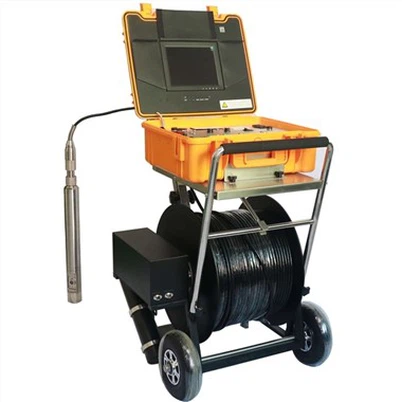
- 100m Underwater Vertical Observation Borehole AHD Waterproof Inspection Camera: This camera is designed for underwater inspection, with a waterproof housing that can withstand high pressure and harsh underwater conditions.
- Female Dummy Plug Connector For Underwater Camera: A useful accessory for underwater cameras, providing a reliable connection and protection against water ingress.
- Underwater Light Swimming Pool Light GLF - UDC - L50 for sale: This light is perfect for illuminating swimming pools or other underwater areas, with a durable design that can resist corrosion.
Contact Us for Procurement
If you are looking for IP cameras that can operate in hot environments or any of the related products mentioned above, we are here to help. Our team of experts can provide you with detailed product information, technical support, and customized solutions to meet your specific needs. Whether you are a small business or a large industrial enterprise, we have the right products and services for you. Don't hesitate to contact us for procurement discussions.
References
- "Handbook of Electronic Component Technology"
- "Industrial Camera Technology and Applications"
- "Environmental Considerations for Electronic Devices"