
How accurate is a pipe camera in detecting blockages?
Leave a message

Determining the accuracy of a pipe camera in detecting blockages involves understanding its technology, capabilities, and limitations. As a supplier of pipe cameras, we are well - versed in the factors that influence their accuracy and how they perform in real - world scenarios.
How Pipe Cameras Work
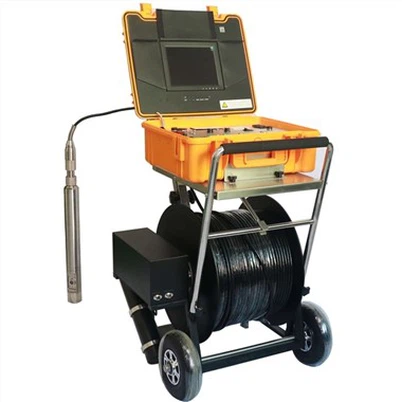
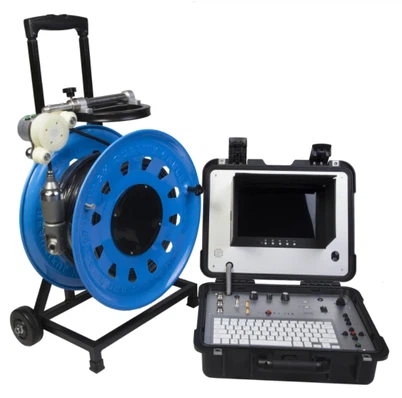
Pipe cameras are equipped with advanced imaging technology. At the core of these devices is a high - resolution camera sensor. This sensor captures detailed images and videos of the interior of pipes. The camera is typically mounted on a flexible cable, which allows it to be inserted into pipes of various diameters and lengths.
The camera system uses LED lights to illuminate the pipe interior. These lights are crucial as pipes are often dark environments. The intensity of the light can be adjusted according to the specific conditions inside the pipe. High - intensity LEDs can penetrate through murky water or debris, providing a clear view of the pipe's internal structure.
When the camera is inserted into the pipe, the captured footage is transmitted in real - time to a monitor at the surface. This allows technicians to observe the pipe's condition immediately and make on - the - spot assessments. The images can also be recorded for later analysis and documentation.
Factors Affecting Accuracy
Pipe Conditions
The physical condition of the pipe has a significant impact on the accuracy of blockage detection. If the pipe is made of a smooth material, such as PVC, the camera can easily glide through and capture clear images. However, pipes with rough interiors, such as old cast - iron pipes, may cause shadows and reflections that can distort the image.
The presence of moisture and debris within the pipe also affects accuracy. A small amount of water can act as a lens, refracting light and causing blurry images. Large amounts of debris, such as sludge or tree roots, can completely obscure the camera's view. In such cases, the blockage may not be accurately identified, or false positives may occur.
Camera Quality
The quality of the camera itself is a crucial factor. High - end cameras offer better image resolution, color accuracy, and low - light performance. A camera with a higher pixel count can capture more details, making it easier to detect small blockages or signs of damage.
The camera's field of view is also important. A wider field of view allows technicians to see more of the pipe's interior at once, reducing the chances of missing a blockage. Additionally, cameras with adjustable focus can be more accurate in detecting blockages at different distances within the pipe.
Operator Skill
The skill of the operator plays a vital role in the accuracy of blockage detection. An experienced operator knows how to maneuver the camera through the pipe, adjust the lighting and focus as needed, and interpret the images correctly. They can identify the difference between a true blockage and normal pipe features, such as joints or bends.
Training is essential for operators. Regularly updated training programs ensure that operators are familiar with the latest camera technology and detection techniques. Without proper training, operators may misinterpret images, leading to inaccurate blockage detection.
Benefits of Accurate Blockage Detection
Accurate blockage detection using pipe cameras offers several benefits. Firstly, it saves time and money. By precisely locating the blockage, maintenance teams can avoid unnecessary digging and pipe replacement. This targeted approach reduces labor costs and minimizes disruption to the surrounding area.
Secondly, it improves safety. Manual inspections of pipes can be dangerous, especially in confined spaces or areas with hazardous materials. Pipe cameras eliminate the need for direct human entry into the pipes, reducing the risk of accidents and exposure to harmful substances.
Finally, accurate blockage detection helps in preventive maintenance. By identifying blockages early, companies can take proactive measures to prevent further damage to the pipes. This can extend the lifespan of the pipes and reduce the frequency of major repairs.


Our Product Range
As a pipe camera supplier, we offer a diverse range of products to meet different customer needs. Our Borehole Water Well Camera is specifically designed for inspecting deep boreholes. It features a high - sensitivity camera sensor and powerful LED lights to provide clear images even in dark and wet conditions.
The Borewell Inspection Camera is another popular choice. It is lightweight and easy to operate, making it ideal for quick inspections of borewells. The camera can be easily inserted into the borewell and provides real - time video feedback.
Our Underwater dual view borescope inspection camera offers a unique perspective. It has dual cameras that can capture both forward and side views of the pipe interior. This allows technicians to detect blockages and damage from multiple angles, increasing the accuracy of detection.
Case Studies
We have numerous case studies that demonstrate the accuracy of our pipe cameras in detecting blockages. In one instance, a municipality was experiencing frequent sewage backups in a particular area. Traditional methods of blockage detection were ineffective, and the exact location of the blockage remained unknown.
We deployed our high - resolution pipe camera to inspect the sewer pipes. The camera quickly identified a large blockage caused by a combination of tree roots and debris. Thanks to the accurate detection, the maintenance team was able to target the repair efforts efficiently. They were able to remove the blockage without extensive digging, saving the municipality a significant amount of money and reducing the disruption to residents.
In another case, an industrial facility was facing issues with its cooling water pipes. The pipes were clogged, and the production process was being affected. Our pipe camera was used to inspect the pipes. The camera's adjustable focus and wide field of view allowed the technicians to detect a series of small blockages that were causing the problem. The facility was then able to clean the pipes and resume normal production quickly.
Conclusion
In conclusion, pipe cameras are highly accurate tools for detecting blockages, but their accuracy can be influenced by various factors such as pipe conditions, camera quality, and operator skill. Our range of pipe cameras, including the Borehole Water Well Camera, Borewell Inspection Camera, and Underwater dual view borescope inspection camera, are designed to provide accurate and reliable blockage detection in a variety of applications.
If you are looking for a reliable solution for pipe blockage detection, we invite you to contact us for a detailed discussion about your specific needs. Our team of experts is ready to help you choose the right pipe camera for your requirements and assist you in optimizing your pipe inspection processes.
References
- ASTM International. (2016). Standard Practice for Underground Installation of Thermoplastic Pipe for Sewers and Other Gravity - Flow Applications. ASTM F 405/F 405M - 16.
- American Water Works Association. (2019). Pipe Condition Assessment Tools Manual. AWWA Manual M57.