
What materials are ROV robots made of?
Leave a message

ROV robots, or Remotely Operated Vehicles, are amazing pieces of tech that have opened up a whole new world under the water. As a supplier of ROV robots, I've had the privilege of diving deep (pun intended) into what makes these machines tick. One of the most fundamental aspects is the materials they're made of. So, let's take a look at what goes into building these underwater wonders.
Hull Materials
The hull is like the outer shell of the ROV. It's what protects all the delicate electronics and machinery inside from the harsh underwater environment. One of the most commonly used materials for ROV hulls is aluminum. Aluminum is great because it's lightweight yet strong. This means that the ROV can move through the water more easily, reducing the amount of energy it needs to operate. And since most ROVs are battery - powered, energy efficiency is a big plus.
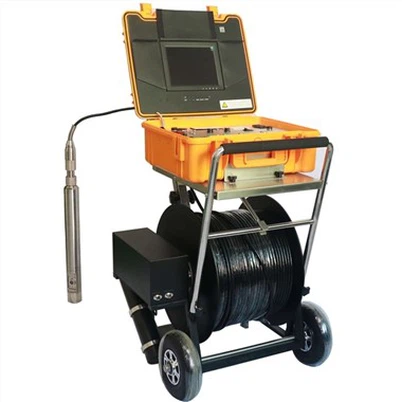
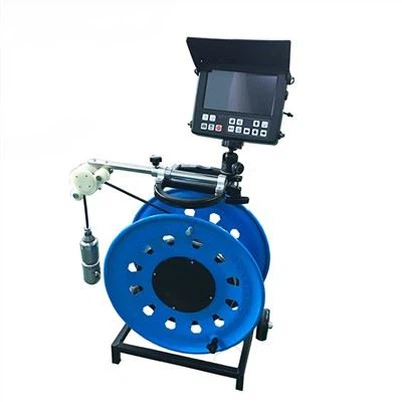
Another option for hull material is polycarbonate. Polycarbonate is a type of plastic that's incredibly tough. It can withstand a lot of pressure without cracking or breaking, which is crucial when the ROV is operating at great depths. It's also transparent in some cases, which allows for better visibility. This is really handy if the ROV is used for tasks like Borehole Inspection Camera, where you need to see clearly what's going on inside the borehole.
Frame Materials
The frame of the ROV provides structural support. Stainless steel is a popular choice for frames. It has excellent corrosion resistance, which is essential because ROVs are often used in saltwater environments where rust can be a major problem. Stainless steel can also handle high stress and weight, making it suitable for supporting the various components of the ROV, like the thrusters and cameras.
However, some ROVs also use composite materials for their frames. Composites are materials made by combining two or more different substances to create a material with better properties. For example, carbon fiber composites are very strong and lightweight. They can provide a high level of stiffness without adding too much weight to the ROV. This is beneficial for improving the ROV's maneuverability and overall performance.


Thruster Components
Thrusters are what make the ROV move in the water. The propellers of the thrusters are usually made of materials like nylon or polyethylene. These plastics are lightweight and can be molded into the precise shapes needed for efficient propulsion. They also have good resistance to water and chemicals, which helps them last longer in the underwater environment.
The motor housing of the thrusters often uses materials similar to the hull, like aluminum or polycarbonate. The housing needs to protect the motor from water damage while also dissipating heat generated by the motor during operation. This is important to ensure the motor functions properly and doesn't overheat.
Camera Materials
Cameras are a crucial part of many ROVs, as they allow operators on the surface to see what's happening under the water. The lens of the camera is typically made of glass or a high - quality optical plastic. Glass lenses offer excellent clarity and can withstand high pressures, but they can be heavy. Optical plastics, on the other hand, are lighter and more impact - resistant.
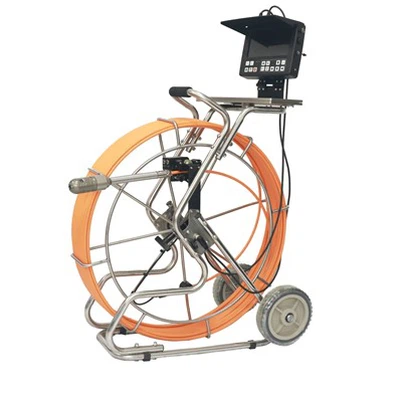
The camera housing is usually made of a waterproof and pressure - resistant material. For example, if the ROV is used for Underwater dual view borescope inspection camera tasks, the housing needs to be able to protect the camera from water ingress and the pressure of being underwater. Materials like acrylic or polycarbonate are commonly used for camera housings because they are transparent and can provide good protection.
Electrical Wiring and Connectors
The electrical wiring inside the ROV is typically made of copper. Copper is an excellent conductor of electricity, which means it can efficiently transfer power and signals between different components of the ROV. The wiring is usually insulated with materials like PVC (polyvinyl chloride) to prevent short - circuits and protect it from the water.
Connectors are also very important. They need to be waterproof and able to withstand the pressure of being underwater. Stainless steel or brass connectors are often used, as they have good corrosion resistance and can provide a stable connection.
Sensors and Their Materials
ROVs are often equipped with various sensors to gather information about the underwater environment. For example, sonar sensors are used to detect objects and navigate in low - visibility conditions. The transducer in a sonar sensor, which converts electrical energy into sound waves and vice versa, is typically made of piezoelectric materials. These materials can generate an electric charge when subjected to mechanical stress and vice versa.
Pressure sensors are used to measure the depth of the ROV. They usually contain a diaphragm made of a material that can deform under pressure. Stainless steel or silicon are common materials for these diaphragms. The deformation of the diaphragm is then converted into an electrical signal that can be read by the ROV's control system.
Buoyancy Materials
To control the ROV's position in the water, buoyancy materials are used. Foam materials like syntactic foam are popular choices. Syntactic foam is made by combining hollow microspheres with a resin matrix. It has a low density, which provides positive buoyancy, but it can also withstand high pressures without collapsing. This makes it ideal for ROVs that need to operate at different depths.
As an ROV robot supplier, we carefully select these materials to ensure that our ROVs are reliable, durable, and perform well in a variety of underwater conditions. Whether you're using an ROV for Deep Water Well Inspection Camera Underground Underwater Inspection Camera or any other underwater task, the quality of the materials used in its construction plays a crucial role.
If you're interested in purchasing an ROV robot for your underwater projects, don't hesitate to reach out. We're here to help you find the right ROV that meets your specific needs. We can discuss the different materials used, the performance of our ROVs, and how they can fit into your operations.
References
- Smith, J. (2020). Materials in Underwater Robotics. Marine Technology Journal.
- Johnson, A. (2021). Advances in ROV Component Materials. Robotics Today.