
Can an ROV system be used for cable inspection?
Leave a message

In the realm of infrastructure maintenance and inspection, the demand for reliable and efficient methods to assess the condition of cables, especially those located underwater, has been on the rise. As a leading ROV (Remotely Operated Vehicle) system supplier, I am frequently asked whether an ROV system can be effectively used for cable inspection. In this blog post, I will delve into this question, exploring the capabilities, advantages, and challenges of using ROV systems for cable inspection.
The Basics of ROV Systems
Before we discuss the application of ROV systems in cable inspection, let's briefly understand what an ROV system is. An ROV is an unmanned underwater vehicle that is remotely controlled by an operator on the surface. It is equipped with various sensors, cameras, and tools that allow it to perform a wide range of tasks in underwater environments. ROV systems come in different sizes and configurations, depending on the specific application and operating conditions.
Capabilities of ROV Systems for Cable Inspection
One of the primary advantages of using an ROV system for cable inspection is its ability to access hard-to-reach areas. Cables are often laid underwater in deep oceans, rivers, or lakes, where human access is limited or dangerous. ROVs can easily navigate through these environments, providing a detailed view of the cables and their surroundings.
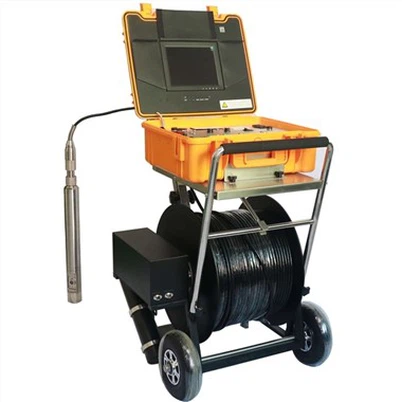
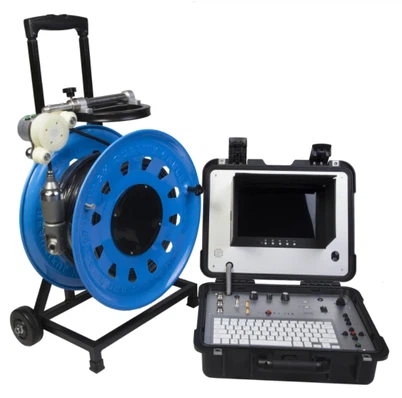
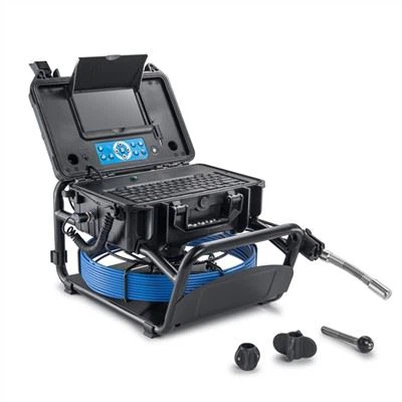
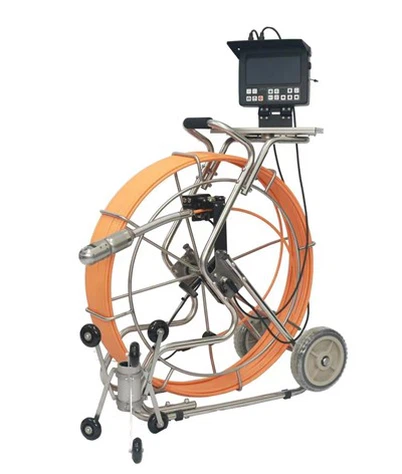
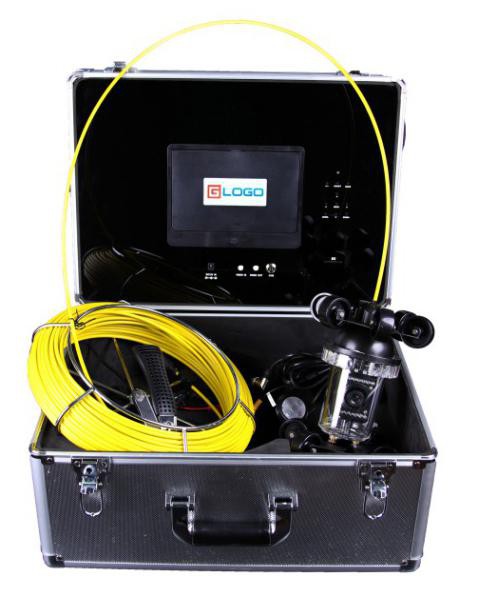
The cameras on an ROV are crucial for cable inspection. Our company offers high - quality cameras such as the Waterproof Analog Aquaculture Fish Video Camera, which can capture clear images and videos of the cables. These cameras are designed to withstand the harsh underwater conditions, including high pressure, low light, and corrosive saltwater. With the help of these cameras, operators can visually inspect the cables for signs of damage, such as cuts, abrasions, or corrosion.
In addition to visual inspection, ROVs can be equipped with other sensors to gather more information about the cables. For example, acoustic sensors can be used to detect the presence of any voids or internal damage within the cable. Magnetic sensors can help identify any changes in the magnetic field around the cable, which may indicate a fault or damage.
Advantages of Using ROV Systems for Cable Inspection
- Safety: One of the most significant advantages of using ROVs for cable inspection is safety. Sending human divers to inspect underwater cables can be extremely dangerous, especially in deep or hazardous environments. ROVs eliminate the need for human divers, reducing the risk of accidents and injuries.
- Cost - effectiveness: In the long run, using an ROV system for cable inspection can be more cost - effective than traditional methods. ROVs can be deployed quickly and repeatedly, without the need for expensive support equipment and personnel. They also have a lower operating cost compared to manned submersibles.
- Accuracy and Efficiency: ROVs can provide highly accurate and detailed information about the cables. The high - resolution cameras and sensors on the ROV can detect even the smallest signs of damage, allowing for early detection and preventive maintenance. Moreover, ROVs can cover a large area in a relatively short time, increasing the efficiency of the inspection process.
Challenges of Using ROV Systems for Cable Inspection
Despite the many advantages, there are also some challenges associated with using ROV systems for cable inspection.
- Navigation in Complex Environments: Underwater environments can be complex, with strong currents, uneven terrain, and obstacles. Navigating an ROV through these environments can be challenging, and operators need to have a high level of skill and experience.
- Data Analysis: The large amount of data collected by the ROV's sensors and cameras needs to be analyzed carefully. This requires specialized software and trained personnel to interpret the data accurately.
- Equipment Limitations: Although ROV technology has advanced significantly in recent years, there are still some limitations. For example, the depth rating of an ROV may be limited, which can restrict its use in very deep waters.
Case Studies
To illustrate the effectiveness of using ROV systems for cable inspection, let's look at some real - world case studies.
In a recent project, an ROV equipped with our HD Underwater Pipe Inspection Camera was used to inspect a power cable laid at the bottom of a lake. The ROV was able to navigate through the lake and provide clear images of the cable. The inspection revealed several areas of minor damage, which were promptly repaired, preventing any potential power outages.
Another case involved the inspection of a communication cable in the ocean. An ROV with acoustic and magnetic sensors was deployed to detect any internal damage to the cable. The sensors detected a small void within the cable, which was repaired before it could cause any significant problems.
Future Developments
The future of using ROV systems for cable inspection looks promising. Advancements in technology are expected to improve the capabilities of ROVs further. For example, the development of more advanced sensors and cameras will allow for even more accurate and detailed inspections. Autonomous navigation systems will also make it easier to operate ROVs in complex environments.

Conclusion
In conclusion, an ROV system can be effectively used for cable inspection. Its ability to access hard - to - reach areas, provide detailed visual and sensor data, and enhance safety and efficiency makes it a valuable tool in the field of cable inspection. However, it is important to be aware of the challenges associated with using ROVs and to ensure that operators are properly trained.
If you are interested in using an ROV system for your cable inspection needs, we invite you to contact us for more information. Our team of experts can provide you with customized solutions based on your specific requirements. We look forward to discussing how our ROV systems can help you ensure the safety and reliability of your cables.
References
- Smith, J. (2020). Underwater Inspection Technologies. Ocean Engineering Journal, 45(2), 123 - 135.
- Johnson, A. (2019). Advances in ROV Technology for Subsea Applications. Marine Technology Review, 32(3), 78 - 85.