
Can a snake camera be used for ship inspections?
Leave a message

Can a Snake Camera be Used for Ship Inspections?
Ships are complex and massive structures that require regular inspections to ensure safety, performance, and compliance with various regulations. Traditional inspection methods can be time - consuming, labor - intensive, and in some cases, may not provide a comprehensive view of the ship's internal components. This is where snake cameras come into play. As a snake camera supplier, I'm well - aware of the potential applications of these devices in ship inspections.
The Basics of Snake Cameras
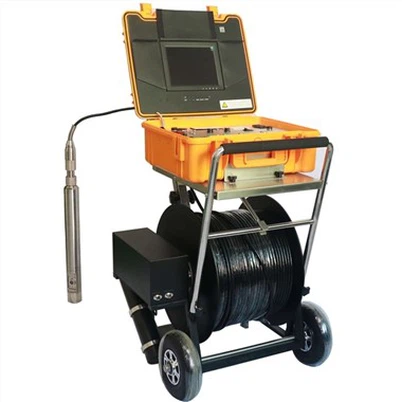
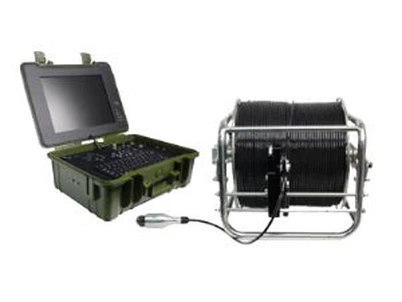
Snake cameras, also known as inspection cameras or endoscopes, are flexible, tube - like devices equipped with a camera at the end. They can be inserted into tight spaces where human eyes or traditional inspection tools cannot reach. These cameras typically come with a display unit that allows inspectors to view the images or videos captured by the camera in real - time.
There are different types of snake cameras available in the market, each with its own features and capabilities. For example, the Snake Camera WiFi Inspection Camera Endoscope offers the convenience of wireless connectivity, enabling users to view the footage on their smartphones or tablets. This feature is extremely useful during ship inspections as it allows inspectors to access the camera feed from a distance, without being restricted by cables.
Another type is the Used Waterproof Push Rod Underground DVR Zoom Endoscopic Sewer Drain Plumber Pipe Inspection Camera. Its waterproof design makes it suitable for use in wet environments, which are common in ships, especially in areas such as ballast tanks, bilges, and engine rooms. The DVR function allows for recording of the inspection process, which can be later reviewed for detailed analysis or documentation purposes.
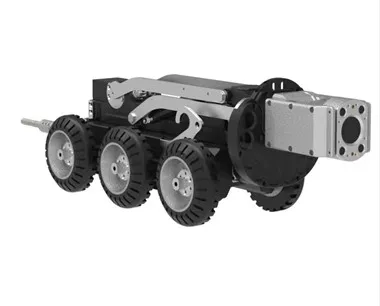
The Pan Tilt Drain Sewer Inspection Camera offers the ability to pan and tilt the camera head, providing a wider field of view and the ability to focus on specific areas of interest. This is particularly useful when inspecting large and complex ship structures.
Applications of Snake Cameras in Ship Inspections
Hull Inspection
The hull is the most critical part of a ship as it provides the structure and keeps the vessel afloat. Snake cameras can be used to inspect the interior of the hull, including hard - to - reach areas such as the bilges and ballast tanks. These areas are prone to corrosion, damage, and the accumulation of debris. By inserting a snake camera into small access points, inspectors can visually assess the condition of the hull plating, welds, and internal structures without the need for extensive disassembly.
For example, in ballast tanks, which are often filled with water and difficult to access, a waterproof snake camera can be used to identify signs of corrosion, pitting, or structural damage. The recorded footage can help in determining the extent of the problem and planning for necessary repairs.
Engine Room Inspection
The engine room is the heart of a ship, housing complex machinery and systems. Snake cameras can be used to inspect the engine components, such as the cylinders, valves, and pipes. These components are often located in tight spaces, and a snake camera can provide a clear view of their condition. For instance, the camera can be used to detect leaks in the fuel or coolant pipes, or to check the integrity of the engine mounts.
In addition, the pan - tilt feature of some snake cameras is very useful in the engine room, as it allows inspectors to adjust the camera angle and view different parts of the machinery without physically moving the camera itself.
Pipe and Duct Inspection
Ships have a vast network of pipes and ducts for various purposes, such as water supply, drainage, ventilation, and fuel transfer. Snake cameras are ideal for inspecting these pipes and ducts. They can identify blockages, leaks, corrosion, or damage inside the pipes. The ability to record the inspection allows for easy documentation of the findings and communication of the issues to the maintenance team.
The flexibility of snake cameras enables them to navigate through the complex pipework, even around bends and corners, providing a comprehensive inspection of the entire system.
Advantages of Using Snake Cameras in Ship Inspections
Cost - effectiveness
Traditional inspection methods may require significant manpower, equipment, and time. For example, opening up large sections of the ship's structure to access internal components can be expensive. Snake cameras offer a cost - effective alternative as they can be easily inserted into small access points, reducing the need for extensive disassembly and reassembly. The cost of purchasing or renting a snake camera is relatively low compared to the potential savings in labor and equipment costs.
Time - saving
Snake cameras allow for quick and efficient inspections. Inspectors can obtain real - time visual information without the need for time - consuming setup or disassembly processes. This is especially important in the shipping industry, where downtime can result in significant financial losses. By using snake cameras, inspections can be completed more rapidly, allowing ships to return to service sooner.
Accuracy and Safety
The high - resolution images and videos provided by snake cameras offer accurate information about the condition of the ship's components. This helps in making informed decisions regarding maintenance and repairs. Moreover, using snake cameras reduces the need for inspectors to enter hazardous or confined spaces, improving safety. For example, instead of sending an inspector into a ballast tank filled with potentially toxic gases, a snake camera can be used to safely inspect the tank from the outside.
Limitations and Considerations
While snake cameras offer many advantages for ship inspections, there are also some limitations to consider. The size of the camera and its flexibility may be restricted by the size of the access points. In some cases, very narrow or convoluted spaces may be difficult for the snake camera to navigate.


The lighting conditions inside the ship can also affect the quality of the images captured by the camera. Some areas may be dark, and additional lighting sources may be required to obtain clear and detailed footage.
In addition, the cameras need to be properly maintained and calibrated to ensure accurate results. Damage to the camera or the cable can affect the inspection process.
Conclusion
In conclusion, snake cameras are a valuable tool for ship inspections. They can provide a quick, cost - effective, and safe way to inspect various parts of a ship, including the hull, engine room, and pipework. As a snake camera supplier, I understand the specific needs of the shipping industry and can offer a range of high - quality snake cameras that are suitable for different inspection tasks.
If you are involved in ship inspections and are interested in learning more about our snake camera products, or if you would like to discuss a potential purchase, we welcome you to reach out. Our team of experts can provide you with detailed information, product demonstrations, and help you choose the right snake camera for your specific requirements.
References
- "Marine Inspection Handbook", Various experts in marine engineering and inspection.
- "Inspection Technologies in the Shipping Industry", Research papers from international shipping research institutions.