
Can a pipe camera be used for drinking water pipes?
Leave a message

Using a pipe camera to inspect drinking water pipes is a topic that has gained significant attention in recent years. As a leading supplier of pipe cameras, I am often asked about the feasibility and safety of using our equipment for drinking water pipe inspections. In this blog post, I will explore the technicalities and considerations of using a pipe camera for drinking water pipes, highlighting the advantages and limitations of this approach.
Advantages of Using a Pipe Camera for Drinking Water Pipes
Pipe cameras offer several advantages when it comes to inspecting drinking water pipes. Firstly, they provide a visual inspection of the interior of the pipes, allowing professionals to identify potential issues such as leaks, blockages, corrosion, and structural damage. This non - invasive method helps in early detection of problems, which can prevent more significant and costly repairs in the future.
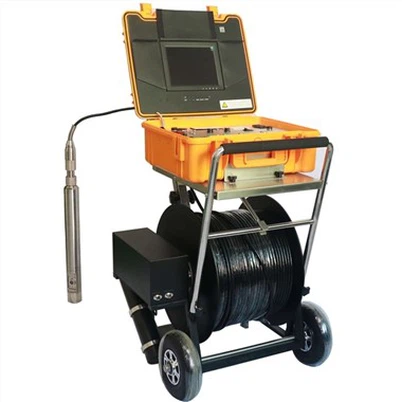
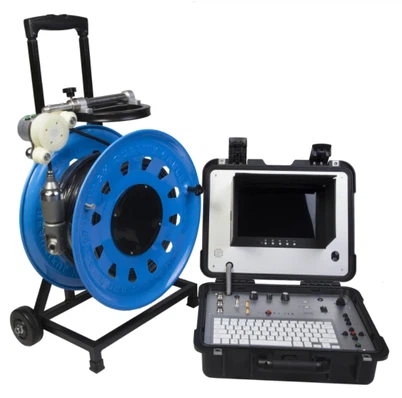
Secondly, pipe cameras can access areas that are difficult to reach through traditional inspection methods. For example, in large buildings or underground water supply systems, pipes can be buried deep or located in tight spaces. A pipe camera with a flexible cable, like our Flexible Cable Industrial Borehole Camera, can navigate through these challenging environments with ease, providing a clear view of the pipe's condition.
Another advantage is the efficiency of the inspection process. With a pipe camera, inspections can be completed relatively quickly, minimizing disruption to the water supply. This is especially important for commercial and industrial settings where downtime can result in significant losses.
Technical Considerations for Drinking Water Pipe Inspections
When using a pipe camera for drinking water pipes, there are several technical factors to consider. The camera must be made of materials that are safe for contact with drinking water. This means that the camera housing, cable, and any other components that come into contact with the water should be free from toxic substances such as lead, mercury, and other heavy metals. Our company ensures that all our cameras meet strict safety standards for use in drinking water applications.
The camera's resolution and lighting are also crucial. A high - resolution camera can capture clear images and videos of the pipe's interior, allowing for accurate diagnosis of any issues. Adequate lighting is necessary to illuminate the dark environment inside the pipes. Our Underwater dual view borescope inspection camera is equipped with powerful LED lights and high - definition imaging capabilities, ensuring that even the smallest details can be clearly seen.
In addition, the camera's mobility and flexibility are important considerations. Drinking water pipes can vary in size and shape, so the camera must be able to navigate through different pipe diameters and bends. A flexible cable allows the camera to move smoothly through the pipes, while a rotating head can provide a 360 - degree view of the pipe's interior. Our Borehole Inspection Camera is designed with these features in mind, making it suitable for a wide range of drinking water pipe inspection applications.
Limitations of Using a Pipe Camera in Drinking Water Pipes
While pipe cameras offer many benefits, they also have some limitations when it comes to drinking water pipe inspections. One limitation is that the camera can only provide a visual inspection. It cannot detect certain types of contaminants or chemical changes in the water. For example, if there is a problem with the water's quality due to the presence of bacteria or viruses, a pipe camera will not be able to identify this issue.
Another limitation is that the camera's view can be obstructed by debris or sediment in the pipes. If there is a significant amount of dirt, sand, or other particles in the pipes, it can be difficult to get a clear view of the pipe's interior. In some cases, it may be necessary to flush the pipes before the inspection to improve visibility.
Safety and Regulatory Compliance
When using a pipe camera for drinking water pipes, it is essential to comply with safety and regulatory standards. Governments and regulatory bodies around the world have set strict guidelines for the use of equipment in drinking water systems. These guidelines ensure that the equipment does not contaminate the water supply and that it is safe for use.
Our company is committed to meeting these standards and ensuring that our pipe cameras are safe and compliant for use in drinking water applications. We conduct regular testing and quality control checks to ensure that our products meet the highest safety and performance standards.


Maintenance and Care of Pipe Cameras for Drinking Water Pipe Inspections
Proper maintenance and care of the pipe camera are essential to ensure its longevity and performance. After each use, the camera should be thoroughly cleaned to remove any dirt, debris, or water. The cable should be inspected for any signs of damage, such as cuts or fraying. If any damage is detected, the cable should be repaired or replaced immediately.
The camera's battery should also be maintained according to the manufacturer's instructions. Regular charging and proper storage of the battery can help extend its lifespan. In addition, the camera's software should be updated regularly to ensure that it has the latest features and bug fixes.
Real - World Applications
Pipe cameras have been successfully used in a variety of real - world applications for drinking water pipe inspections. In large municipal water supply systems, pipe cameras are used to detect leaks and structural damage in underground pipes. In commercial buildings, they are used to inspect the plumbing systems to ensure the safety and reliability of the water supply.
For example, a city water department recently used our pipe camera to inspect a large - diameter drinking water pipe that had been experiencing periodic leaks. By using the camera, the technicians were able to locate the exact location of the leaks and assess the extent of the damage. This information allowed the water department to plan and execute the necessary repairs more efficiently, minimizing downtime and reducing costs.
Conclusion
In conclusion, a pipe camera can be a valuable tool for inspecting drinking water pipes. It offers several advantages, including non - invasive inspection, access to hard - to - reach areas, and efficient detection of potential issues. However, it also has some limitations, such as the inability to detect certain contaminants and the potential for obstructed views.
When considering using a pipe camera for drinking water pipe inspections, it is important to choose a high - quality camera that meets safety and regulatory standards. Our company offers a range of pipe cameras that are specifically designed for drinking water applications, providing reliable and accurate inspection results.
If you are interested in purchasing a pipe camera for your drinking water pipe inspection needs, we would be delighted to discuss your requirements further. Our team of experts can provide you with detailed product information, advice on the best camera for your application, and support throughout the purchasing process. Contact us today to start the conversation about how our pipe cameras can meet your specific needs.
References
- ASME Standards for Piping Inspection.
- Manufacturer's manuals for pipe camera products.
- Technical reports on drinking water pipe inspection methods.