
Can a snake camera be used for home inspection?
Leave a message

Can a Snake Camera be used for Home Inspection?
Home inspection is a crucial process for homeowners, potential buyers, and real - estate agents. It helps to identify hidden problems in a property before they turn into major issues. One of the most useful tools in modern home inspections is the snake camera. As a snake camera supplier, I've witnessed firsthand the many benefits and applications of these devices in home inspection scenarios.
What is a Snake Camera?
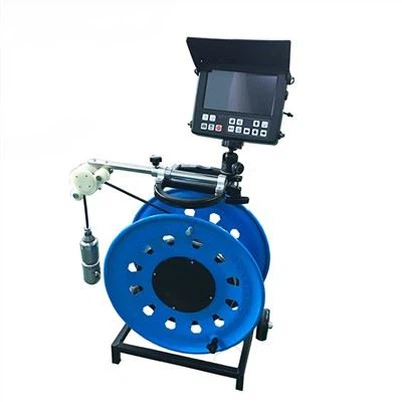
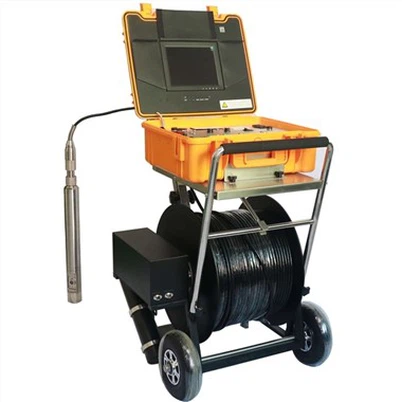
A snake camera, also known as a borescope or inspection camera, is a flexible, tube - like device equipped with a camera at one end and a display screen at the other. The flexible tube can be inserted into tight spaces, such as pipes, walls, and crawl spaces, allowing inspectors to see areas that are otherwise difficult or impossible to access.
Applications in Home Inspection
Plumbing Inspections
Plumbing is one of the most common areas where snake cameras are used in home inspections. Plumbing Pipe Inspection Sewer Camera can be inserted into pipes to detect blockages, leaks, corrosion, and other issues. For example, if a homeowner is experiencing slow - draining sinks or toilets, a snake camera can be used to determine the exact location of the blockage. It can also identify root intrusion in sewer lines, which is a common problem in older homes. By using a snake camera, plumbers can avoid the need for costly and invasive pipe - digging to diagnose problems.
Electrical Inspections
In electrical inspections, snake cameras can be used to inspect wiring inside walls and ceilings. They can help identify loose connections, frayed wires, and other potential fire hazards. Inspectors can insert the camera into small holes drilled in the wall to check the condition of the wiring without having to tear down large sections of the wall. This non - invasive method saves time and money for both the inspector and the homeowner.
HVAC Inspections
Heating, ventilation, and air - conditioning (HVAC) systems are another area where snake cameras are invaluable. The Endoscope Pipe Inspection Camera can be used to inspect the interior of ductwork for dirt, debris, mold, and damage. A dirty or damaged duct system can reduce the efficiency of the HVAC system and even pose health risks to the occupants of the home. By using a snake camera, inspectors can quickly assess the condition of the ductwork and recommend appropriate cleaning or repairs.
Structural Inspections
Snake cameras can also be used in structural inspections. They can be inserted into cracks in the foundation or walls to check for signs of further damage or instability. For example, if there are hairline cracks in the foundation, a snake camera can be used to see if there are any underlying issues, such as water seepage or soil movement. This information is crucial for determining the best course of action for repairing the structure.
Advantages of Using Snake Cameras in Home Inspection
Non - invasive
One of the biggest advantages of using snake cameras is that they are non - invasive. Instead of tearing down walls, floors, or digging up pipes, inspectors can simply insert the camera into the area of concern and get a clear view of what's going on inside. This not only saves time and money but also minimizes the disruption to the homeowner.
Accuracy
Snake cameras provide a high - level of accuracy in detecting problems. The high - resolution cameras can capture clear images and videos of the interior of pipes, walls, and other hard - to - reach areas. Inspectors can zoom in on specific areas of interest and identify even the smallest signs of damage or wear.


Cost - effective
In the long run, using snake cameras can be cost - effective. By accurately diagnosing problems early on, homeowners can avoid costly repairs down the line. For example, detecting a small leak in a pipe before it causes significant water damage can save thousands of dollars in repair costs.
Limitations of Snake Cameras
While snake cameras are a powerful tool for home inspection, they do have some limitations. For example, the camera's view can be obstructed by dirt, debris, or the shape of the space. In some cases, the camera may not be able to reach all areas of a large or complex pipe system. Additionally, the quality of the images and videos can be affected by lighting conditions inside the space being inspected.
The Role of a Good Snake Camera in Home Inspection
As a snake camera supplier, I understand the importance of providing high - quality products. A good snake camera should have a high - resolution camera, a flexible and durable tube, and a clear display screen. It should also be easy to use and operate, even for novice inspectors.
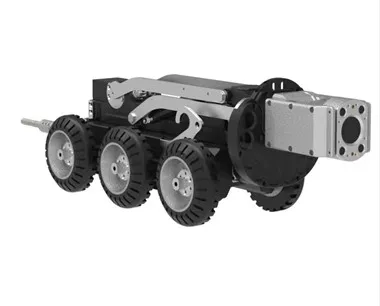
Our Best Pipe Crawler Robot is designed to meet these requirements. It is equipped with a high - definition camera that can capture clear images and videos in low - light conditions. The flexible tube can be easily maneuvered through tight spaces, and the remote - controlled crawler allows for greater control and access in large pipe systems.
Conclusion
In conclusion, snake cameras are an essential tool for home inspection. They offer a non - invasive, accurate, and cost - effective way to detect problems in plumbing, electrical, HVAC, and structural systems. While they have some limitations, the benefits far outweigh the drawbacks.
If you're in the market for a snake camera for your home inspection needs, I encourage you to consider our products. We offer a range of high - quality snake cameras and pipe inspection equipment to meet your specific requirements. Contact us today to discuss your needs and start a procurement negotiation. We're here to help you make the best choice for your home inspection projects.
References
- ASHI (American Society of Home Inspectors). Home Inspection Standards of Practice.
- International Association of Certified Home Inspectors (InterNACHI). Home Inspection Guidelines.