
How do ROV robots support diver operations?
Leave a message

ROV (Remotely Operated Vehicle) robots have revolutionized diver operations in numerous ways. As a supplier of ROV robots, I've witnessed firsthand how these remarkable machines support divers in various underwater tasks. In this blog, we'll explore the key ways in which ROV robots enhance diver operations and the benefits they bring to the table.
1. Pre - Dive Surveys
One of the primary ways ROV robots support diver operations is by conducting pre - dive surveys. Before a diver enters the water, an ROV can be deployed to assess the underwater environment. This includes checking for potential hazards such as sharp objects, strong currents, or unstable structures.
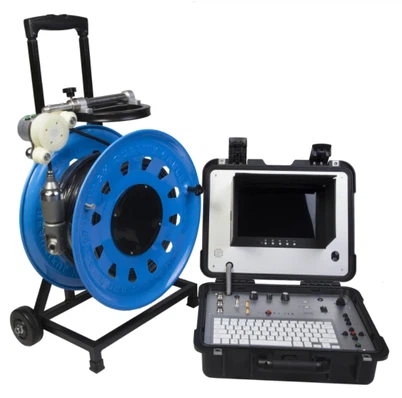
ROV robots are equipped with high - resolution cameras that can provide clear images of the underwater area. For example, our 100m Water Pipe Inspection Camera Pan Tilt Drilling Pipelines Camera can pan and tilt to capture different angles of the pipeline or underwater structure. This allows the dive team to plan their operation more effectively, identifying the best entry and exit points, as well as areas that may require special attention.
By using an ROV for pre - dive surveys, divers can avoid unnecessary risks. They can also save time and energy, as they have a better understanding of the underwater environment before they even enter the water. This is especially important in complex underwater scenarios, such as deep - sea exploration or oil rig inspections.

2. Visual Assistance During Dives
Once the diver is in the water, ROV robots can provide visual assistance. The ROV's camera can be used to supplement the diver's own vision, especially in low - visibility conditions. For instance, in murky water, the ROV's powerful lights and high - definition camera can illuminate the area and provide a clear view of the surroundings.
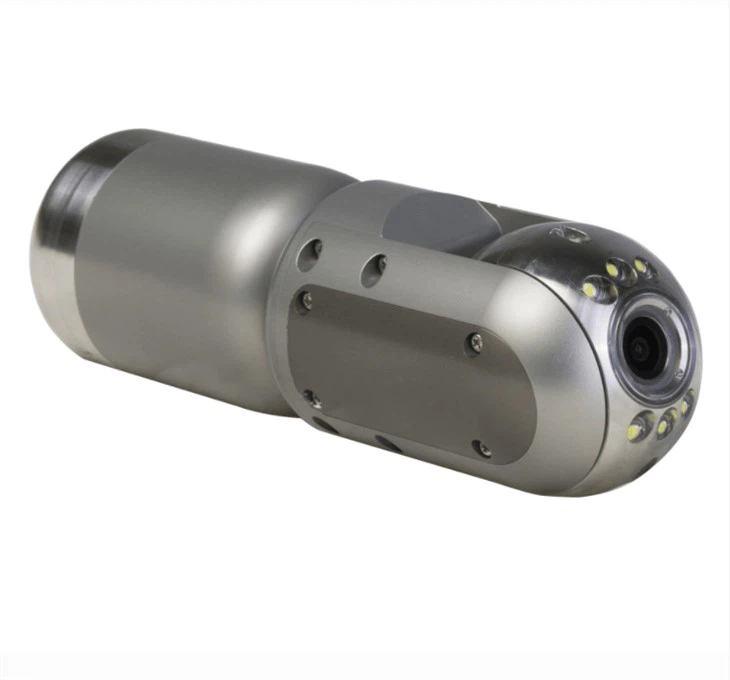
Our 100m Underwater Vertical Observation Borehole AHD Waterproof Inspection Camera is designed for vertical observation in boreholes and underwater structures. It can be used to guide the diver to the target area, providing real - time visual feedback. This helps the diver to navigate more accurately and perform tasks more efficiently.
In addition, the ROV can act as an extra set of eyes for the dive supervisor on the surface. The supervisor can monitor the ROV's camera feed and provide guidance to the diver, ensuring that the operation is carried out safely and effectively.
3. Heavy - Lifting and Manipulation
ROV robots are also capable of performing heavy - lifting and manipulation tasks, which can reduce the physical strain on divers. In underwater construction or salvage operations, an ROV can be used to move heavy objects, such as equipment or debris. This is particularly useful in situations where the diver's strength may be limited.
Our ROVs are equipped with robotic arms that can be used to grasp and manipulate objects. For example, in an oil well inspection, the ROV can use its arm to collect samples or perform maintenance tasks. The Oil Well Downhole Inspection Camera can be integrated with the ROV's robotic arm to provide a comprehensive inspection solution.
By using an ROV for heavy - lifting and manipulation, divers can focus on more critical tasks, such as conducting detailed inspections or making repairs. This not only improves the efficiency of the operation but also reduces the risk of injury to the diver.
4. Data Collection and Documentation
ROV robots are excellent tools for data collection and documentation. They can be used to record video and take photos of the underwater environment, which can be used for analysis and reporting. This data is valuable for a variety of purposes, such as environmental monitoring, archaeological research, and engineering inspections.
The high - resolution cameras on our ROVs can capture detailed images and videos of the underwater area. The data collected can be used to create 3D models of the underwater structures, which can help in the planning and design of future projects. In addition, the documentation can be used for legal and regulatory purposes, providing evidence of the condition of the underwater environment.
5. Emergency Support
In case of an emergency, ROV robots can provide crucial support to divers. For example, if a diver becomes entangled or injured, the ROV can be used to assess the situation and provide assistance. The ROV's robotic arm can be used to cut the entanglement or provide first - aid equipment to the diver.
The ROV can also be used to search for a missing diver. Its high - resolution camera and powerful lights can cover a large area quickly, increasing the chances of finding the diver. In addition, the ROV can communicate with the surface team, providing real - time information about the situation.
Conclusion
ROV robots play a vital role in supporting diver operations. From pre - dive surveys to emergency support, these machines offer a wide range of benefits that enhance the safety, efficiency, and effectiveness of underwater tasks. As a supplier of ROV robots, we are committed to providing high - quality products that meet the needs of our customers.
If you are involved in underwater operations and are interested in learning more about how our ROV robots can support your diver operations, we encourage you to contact us for a procurement discussion. Our team of experts is ready to assist you in finding the right ROV solution for your specific requirements.
References
- "Underwater Robotics: Technology and Applications" by John R. Yuh
- "Diving and Subaquatic Medicine" by Michael J. Gerth