
Can a sewer camera be used to detect cracks in pipes?
Leave a message

Can a sewer camera be used to detect cracks in pipes?
As a long - standing supplier of sewer cameras, this is a question I'm frequently asked. In this blog, I'll dive deep into the capabilities of sewer cameras when it comes to pipe crack detection, exploring the technology, its efficiency, and limitations.
Understanding Sewer Camera Technology
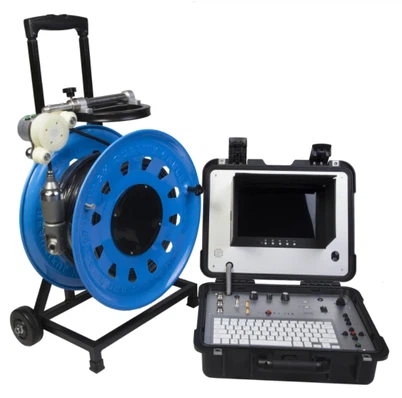
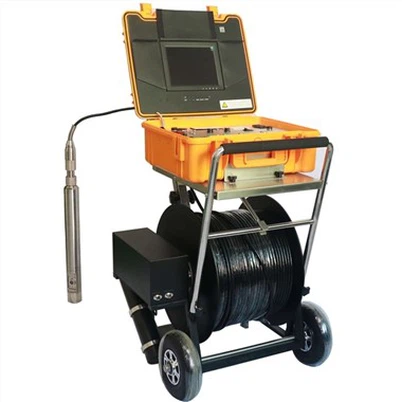
Sewer cameras are sophisticated devices designed to penetrate the darkness of underground pipes to provide real - time visual data. They are typically outfitted with a high - resolution camera attached to a flexible cable, enabling them to navigate through the twists and turns of sewer systems. Some high - end models come with LED lighting, ensuring clear visibility even in the murkiest of pipes.
The camera's housing is engineered to withstand the harsh environment inside pipes, including exposure to water, chemicals, and debris. The high - definition imagery captured allows technicians to closely inspect the inner surface of the pipes, making it a powerful tool for various pipe - related assessments.
Detecting Cracks with Sewer Cameras
One of the primary advantages of using a sewer camera is its ability to detect cracks in pipes. When a crack occurs in a pipe, it can lead to a host of problems, such as water leakage, soil erosion, and potential structural damage. Identifying these cracks early can save significant time and money downstream.
Sewer cameras can easily spot visible cracks. The high - definition cameras can capture minute details, making even tiny hairline cracks distinguishable. The real - time video feed allows technicians to pause, zoom in, and examine the crack from different angles. They can also take screenshots or record videos for documentation and further analysis.
For example, in a residential plumbing system, a small crack in a sewer pipe can lead to unpleasant odors in the house and even contaminate the groundwater. By using a sewer camera, plumbers can quickly identify the location and severity of the crack, allowing for targeted repairs.
Benefits of Using Sewer Cameras for Crack Detection
Non - invasive Inspection
One of the most significant benefits of using a sewer camera for crack detection is its non - invasive nature. Traditional methods of pipe inspection often involve digging up large sections of the ground, which is time - consuming, expensive, and disruptive. With a sewer camera, the inspection can be carried out by simply inserting the camera through an access point, such as a cleanout or manhole. This reduces the need for extensive excavation, minimizing damage to landscaping and structures.
Accuracy
Sewer cameras provide highly accurate information about the location and condition of cracks in pipes. The visual data captured leaves little room for interpretation, allowing for precise decision - making when it comes to repairs or replacements. Techs can determine the exact size, shape, and orientation of the crack, which is crucial for choosing the most appropriate repair method.
Cost - efficiency
In the long run, using a sewer camera for crack detection can be cost - effective. By quickly identifying the problem areas, unnecessary repairs and replacements can be avoided. Instead of replacing an entire section of the pipe, targeted repairs can be made, saving both materials and labor costs.
Limitations of Sewer Cameras in Crack Detection
While sewer cameras are incredibly useful, they do have some limitations when it comes to crack detection.
Obstructions
Debris, roots, or other obstructions in the pipe can block the camera's view, making it difficult to detect cracks. In some cases, the camera may not be able to pass through the entire length of the pipe, leaving certain sections uninspected. For example, if a tree root has penetrated the pipe, the camera may get stuck, preventing a full inspection.
Hidden Cracks
Some cracks may be located on the outer surface of the pipe or within the pipe wall. Since sewer cameras only provide an internal view, these hidden cracks may go undetected. Additionally, if the pipe is surrounded by soil or other materials, it can be challenging to identify external damage through the camera feed.
Camera Resolution and Angle
Although modern sewer cameras have high - resolution capabilities, there are still limitations. In some cases, the camera's angle or the lighting conditions may not be optimal, leading to a less - than - clear view of the pipe surface. This can make it difficult to detect very small or subtle cracks.
Complementary Tools for Comprehensive Crack Detection
To overcome the limitations of sewer cameras, it's often beneficial to use complementary tools. For example, ground - penetrating radar (GPR) can be used to detect external damage and hidden cracks in pipes. GPR works by sending electromagnetic waves into the ground and analyzing the reflections to identify subsurface objects and anomalies.
Acoustic sensors can also be used in conjunction with sewer cameras. These sensors can detect changes in the sound patterns within the pipe, which may indicate the presence of a crack. By combining the data from multiple sources, a more comprehensive assessment of the pipe's condition can be achieved.
Other Applications of Sewer Cameras
Beyond crack detection, sewer cameras have a wide range of other applications. They can be used to inspect for blockages, such as clogs caused by grease, debris, or tree roots. The camera can provide a clear view of the blockage, allowing technicians to determine the best method of removal.
Sewer cameras are also useful for inspecting newly installed pipes to ensure they meet the required standards. They can detect any manufacturing defects or installation errors, such as misaligned joints or damaged sections.
Related Products for Enhanced Pipe Inspection
Here at our company, we offer an array of products related to pipe inspection. For more specialized applications, you might be interested in our Borewell Inspection Camera. This camera is specifically designed for borewell inspections, providing clear visuals in deep and narrow spaces.
Our Factory Borehole Water Well Camera is another great option. It offers high - quality imaging for water well inspections, ensuring the integrity of the well structure.
For those in need of a more advanced inspection tool, the Underwater dual view borescope inspection camera provides a unique dual - view perspective, allowing for a more comprehensive inspection of underwater pipes.


Conclusion
In conclusion, sewer cameras are a valuable tool for detecting cracks in pipes. They offer non - invasive, accurate, and cost - effective inspection capabilities. However, it's important to recognize their limitations and use complementary tools for a more comprehensive assessment.
As a supplier, we are committed to providing high - quality sewer cameras and related products to meet your pipe inspection needs. Whether you're a plumbing professional, a property manager, or involved in infrastructure projects, our products can help you stay on top of pipe maintenance.
If you're interested in learning more about our sewer cameras or other inspection products, or if you're ready to start a procurement discussion, please reach out. We'll be more than happy to assist you in finding the perfect solution for your requirements.
References
- "Pipe Inspection Technologies: A Review", Journal of Infrastructure Preservation and Resilience.
- "Non - Destructive Testing Methods for Pipes", International Journal of Civil Engineering and Technology.
- Manufacturer's manuals for sewer cameras and related inspection tools.