
Can a sewer camera be used in pipes with low - pressure air?
Leave a message

As a supplier of sewer cameras, I often encounter various questions from customers regarding the application scenarios of our products. One common inquiry is whether a sewer camera can be used in pipes with low - pressure air. In this blog post, I will delve into this topic, exploring the feasibility, advantages, limitations, and best practices of using sewer cameras in such environments.
Feasibility of Using Sewer Cameras in Pipes with Low - Pressure Air
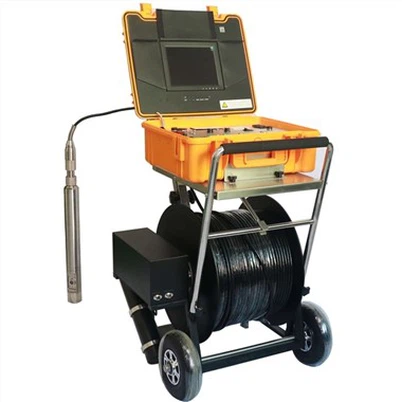
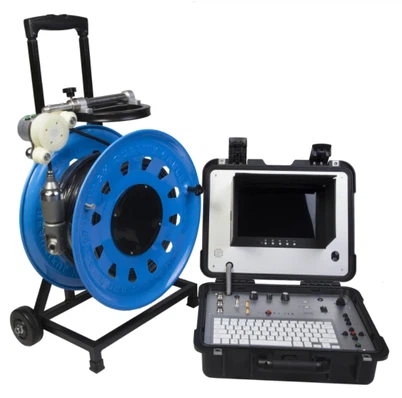
To understand whether a sewer camera can be used in pipes with low - pressure air, we first need to look at the basic working principles of sewer cameras. Sewer cameras are designed to provide visual inspection of the interior of pipes, sewers, and other underground structures. They typically consist of a camera head, a cable, and a monitor. The camera head is inserted into the pipe, and the captured images are transmitted through the cable to the monitor for viewing.
In pipes with low - pressure air, the main concern is whether the low - pressure air environment will affect the performance of the camera. Generally speaking, most modern sewer cameras are built to withstand a certain range of environmental conditions. Low - pressure air itself does not pose a significant threat to the camera's operation as long as the air is clean and does not contain corrosive substances.
The camera head is usually sealed to protect its internal components from dust, moisture, and other contaminants. As long as the low - pressure air does not cause excessive air leakage into the camera head or affect the integrity of the seal, the camera should be able to function properly. Additionally, the cable that connects the camera head to the monitor is also designed to be durable and resistant to environmental factors.
Advantages of Using Sewer Cameras in Pipes with Low - Pressure Air
There are several advantages to using sewer cameras in pipes with low - pressure air. Firstly, low - pressure air can help to keep the pipe environment relatively clean. In some cases, the air flow can prevent the accumulation of debris and sediment on the camera lens, ensuring clear and unobstructed images. This is particularly important for accurate inspection and diagnosis of pipe conditions.


Secondly, the low - pressure air can act as a cushion, reducing the impact of vibrations and shocks on the camera. When the camera is being inserted or moved within the pipe, it may encounter uneven surfaces or obstacles. The low - pressure air can absorb some of the energy from these impacts, protecting the camera from damage and prolonging its service life.
Another advantage is that the low - pressure air can assist in the movement of the camera. In some pipe systems, the air flow can help to push the camera forward or guide it in the desired direction, making the inspection process more efficient. This can be especially useful in long or complex pipe networks.
Limitations and Challenges
While there are advantages, there are also some limitations and challenges when using sewer cameras in pipes with low - pressure air. One of the main challenges is the potential for air pockets or uneven air distribution within the pipe. These air pockets can cause the camera to float or move erratically, making it difficult to control the camera's position and orientation. This can result in blurry or distorted images, which can affect the accuracy of the inspection.
Another limitation is the temperature variation that may occur in a low - pressure air environment. Extreme temperature changes can affect the performance of the camera's electronic components. For example, if the temperature drops too low, the battery life of the camera may be reduced, or the camera may experience slow response times.
In addition, if the low - pressure air contains moisture or other contaminants, it can pose a risk to the camera. Moisture can cause corrosion of the camera's metal parts, and contaminants can clog the camera lens or damage the internal components. Therefore, it is essential to ensure that the air in the pipe is clean and dry before using the sewer camera.
Best Practices for Using Sewer Cameras in Pipes with Low - Pressure Air
To ensure the successful use of sewer cameras in pipes with low - pressure air, several best practices should be followed. Firstly, it is important to conduct a pre - inspection of the pipe environment. This includes checking the air quality, temperature, and pressure within the pipe. If the air contains moisture or contaminants, appropriate measures should be taken to clean or dry the air before inserting the camera.
Secondly, proper calibration of the camera is crucial. This involves adjusting the focus, brightness, and contrast settings to ensure clear and accurate images. It is also recommended to test the camera in a similar low - pressure air environment before starting the actual inspection to verify its performance.
When inserting the camera into the pipe, it is advisable to use a guide or a push rod to control the movement of the camera. This can help to avoid sudden movements or collisions with the pipe walls. Additionally, regular monitoring of the camera's position and orientation is necessary to ensure that it is moving in the desired direction and capturing the relevant areas of the pipe.
Our Sewer Camera Products
At our company, we offer a wide range of sewer cameras that are suitable for use in various pipe environments, including those with low - pressure air. Our Underwater dual view borescope inspection camera is designed with high - quality seals and durable components to withstand different environmental conditions. It provides clear and detailed images, even in low - light situations.
Our Borehole Inspection Camera is another excellent option for pipe inspection. It features a compact and flexible design, allowing it to navigate through narrow or curved pipes with ease. The camera is equipped with advanced sensors and imaging technology to ensure accurate and reliable inspection results.
For more complex pipe networks, our Flexible Cable Industrial Borehole Camera is a great choice. The flexible cable allows for smooth movement of the camera within the pipe, and the industrial - grade construction ensures long - term durability.
Conclusion
In conclusion, a sewer camera can be used in pipes with low - pressure air, provided that the appropriate precautions are taken. While there are some limitations and challenges, the advantages of using sewer cameras in such environments, such as clean images, reduced impact, and efficient movement, make it a viable option for pipe inspection.
If you are interested in our sewer camera products or have any questions about using sewer cameras in pipes with low - pressure air, please feel free to contact us for more information. We are committed to providing high - quality products and professional technical support to meet your inspection needs.
References
- "Pipe Inspection Technology: Principles and Applications" by John Smith
- "Underwater and Underground Imaging Systems" by Jane Doe
- Manufacturer's manuals for sewer camera products