
How do I use a pipe camera to find root intrusion in pipes?
Leave a message

Hey there! I'm a supplier of pipe cameras, and I'm stoked to share with you how to use a pipe camera to find root intrusion in pipes. Root intrusion is a common headache for many property owners and plumbers. Tree roots are constantly on the hunt for water, and the pipes in our plumbing systems are like a big, juicy water buffet for them. Once they find their way into a pipe, they can cause all sorts of problems, from minor blockages to major pipe damage. But with a pipe camera, you can quickly and accurately identify root intrusion and take the necessary steps to fix it.
Why Use a Pipe Camera?
Before we dive into the how-to, let's talk about why a pipe camera is the best tool for the job. You might be thinking, "Why can't I just use a drain snake or some other traditional method?" Well, here's the deal. Traditional methods can sometimes give you a general idea of what's going on inside the pipe, but they can't give you a clear picture. A pipe camera, on the other hand, allows you to see exactly what's happening in real-time. You can spot root intrusion, even if it's just a small cluster of roots starting to make their way in. You can also check for other issues like cracks, leaks, or debris buildup at the same time. It's like having x-ray vision for your pipes!
Getting Your Pipe Camera Ready
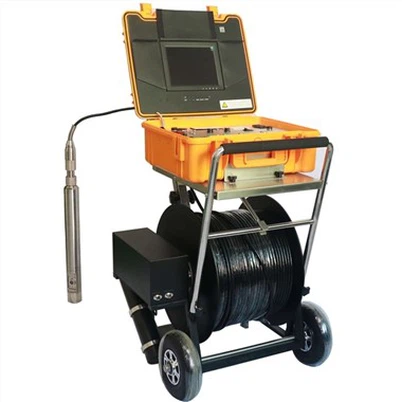
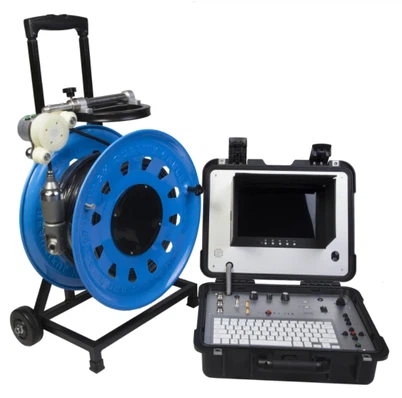
First things first, you need to choose the right pipe camera for the job. We offer a range of high-quality pipe cameras, including the Factory Borehole Water Well Camera, the Flexible Cable Industrial Borehole Camera, and the Borewell Inspection Camera. Each camera has its own features and is suitable for different types of pipes and inspection scenarios.
Once you've got your camera, make sure it's fully charged or has fresh batteries. You don't want your camera to die in the middle of an inspection! Also, check the cable for any signs of damage. A damaged cable can affect the camera's performance and might even get stuck in the pipe.


Preparing the Pipe
Before you insert the camera, you need to prepare the pipe. Start by clearing any visible debris from the access point. This could be leaves, dirt, or other junk that might block the camera's path. You can use a simple tool like a brush or a small rake to do this.
Next, you might want to run some water through the pipe. This helps to flush out any loose debris and gives you a clearer view inside the pipe. Just make sure the water is flowing in the right direction and not causing any backflow issues.
Inserting the Camera
Now it's time to insert the camera into the pipe. Gently feed the camera head into the access point. Make sure it goes in smoothly and doesn't get caught on the edges. As you insert the camera, pay attention to the cable. You want to keep it straight and avoid any kinks or twists.
Once the camera is inside the pipe, start slowly advancing it. You can use the controls on the camera unit to move it forward, backward, or even adjust the camera's angle. Keep an eye on the monitor. You'll start to see the inside of the pipe come into view.
Spotting Root Intrusion
As you're moving the camera through the pipe, look for signs of root intrusion. Roots usually appear as dark, fibrous masses inside the pipe. They can be small and thin, like little tendrils, or large and thick, like ropes. Sometimes, you might see roots growing through small cracks in the pipe or even pushing through the joints.
If you spot roots, take note of their location and how severe the intrusion is. You can use the camera's recording feature to capture the footage for later reference. This is especially useful if you need to show the problem to a client or a colleague.
Documenting the Findings
Once you've found the root intrusion, it's important to document your findings. Take screenshots or record videos of the roots from different angles. You can also make notes about the location, size, and condition of the roots. This documentation will help you when it comes to coming up with a solution.
Taking Action
After you've identified the root intrusion, it's time to decide what to do next. Depending on the severity of the problem, you might be able to remove the roots using a root cutter or a high-pressure water jet. In more severe cases, you might need to replace the damaged section of the pipe.
Tips and Tricks
- Use proper lighting: Some pipe cameras come with built-in lights. Make sure they're turned on and adjusted to the right brightness. Good lighting is crucial for getting a clear view inside the pipe.
- Be patient: Inspecting a pipe can take some time, especially if it's a long or complex one. Don't rush the process. Take your time to thoroughly examine the pipe.
- Keep the camera clean: After each use, clean the camera head and the cable. This helps to prevent dirt and debris from building up and affecting the camera's performance.
Conclusion
Using a pipe camera to find root intrusion in pipes is a game-changer. It allows you to quickly and accurately identify the problem, which can save you time and money in the long run. If you're in the market for a high-quality pipe camera, we've got you covered. Our range of cameras, including the Factory Borehole Water Well Camera, the Flexible Cable Industrial Borehole Camera, and the Borewell Inspection Camera, are designed to meet your needs.
If you have any questions or are interested in purchasing a pipe camera, don't hesitate to reach out. We're here to help you find the perfect solution for your pipe inspection needs. Let's work together to keep those pipes in top shape!
References
- Plumbing and Drainage Handbook
- Tree Root Intrusion in Sewer Pipes: A Comprehensive Guide