
Can a sewer camera be used for inspecting new pipes?
Leave a message

Can a sewer camera be used for inspecting new pipes?
As a seasoned supplier of sewer cameras, I've encountered numerous inquiries regarding the viability of using these devices for inspecting new pipes. The short answer is yes, but it's accompanied by a plethora of details that can significantly impact the effectiveness of such inspections.
The Benefits of Using a Sewer Camera for New Pipe Inspections
One of the primary advantages of deploying a sewer camera during the inspection of new pipes is the ability to identify defects early on. Even with new installations, pipes can sometimes have issues such as misaligned joints, cracks, or debris left inside during the manufacturing or installation process. A sewer camera can provide a real - time and detailed visual assessment of the pipe's interior, allowing installers or inspectors to spot these problems before the system is fully operational.
In addition, using a sewer camera can enhance the quality control process. Builders and contractors can use the camera to ensure that the new pipes meet the specified standards and requirements. This preventive approach can save substantial time and money in the long run by avoiding future repairs and replacements due to undetected flaws.
Moreover, for larger projects involving extensive pipe networks, sewer cameras offer an efficient way to inspect large lengths of pipes. They can cover a significant distance, often hundreds of feet, without the need for extensive excavation. This not only reduces invasive construction but also speeds up the inspection process, enabling projects to proceed on schedule.
Technical Considerations
When using a sewer camera for new pipe inspections, certain technical factors need to be taken into account. Firstly, the resolution of the camera is crucial. High - resolution cameras can provide clear and sharp images, making it easier to detect even the smallest defects. Our company offers a range of sewer cameras with different resolution capabilities to meet diverse inspection needs.
Another important aspect is the camera's maneuverability. New pipes may have bends, curves, or various diameters. A sewer camera with a flexible cable and excellent steering capabilities can navigate through these complex pipe structures with ease. This ensures that every part of the pipe is thoroughly inspected.
The lighting system of the camera is also a key factor. Adequate lighting is necessary to illuminate the pipe's interior and capture clear images. Our cameras are equipped with powerful LED lights that can adjust to different lighting conditions inside the pipes.
Types of Sewer Cameras Suitable for New Pipe Inspections
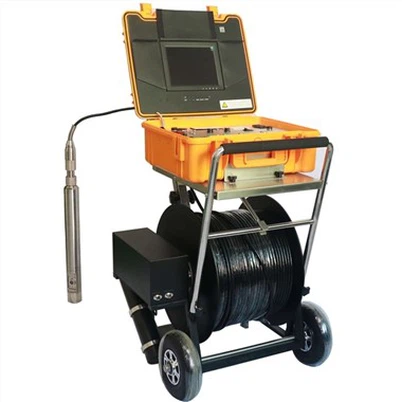
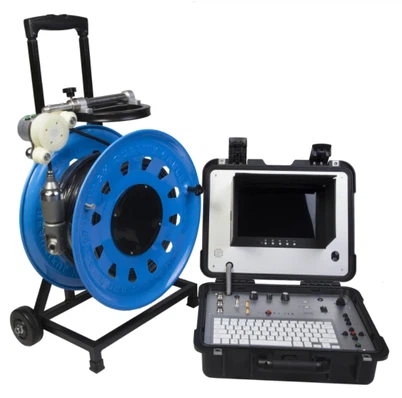
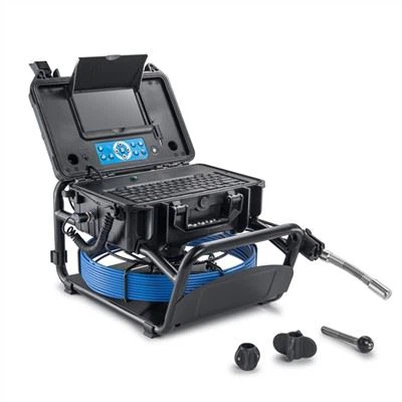
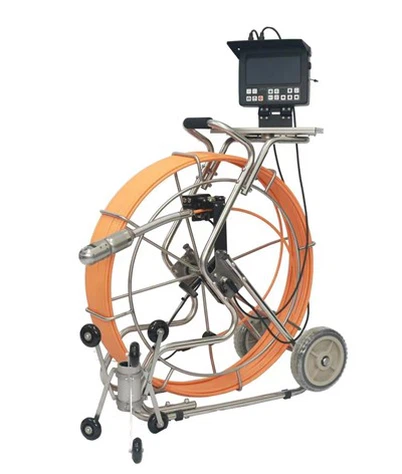
There are several types of sewer cameras that are well - suited for new pipe inspections. One popular option is the Underwater dual view borescope inspection camera. This camera provides both a forward and side - view, which is extremely useful for detecting defects on the pipe walls and at the joints. It can be used in various types of pipes, including sewage pipes, water pipes, and industrial pipes.
The Borehole Water Well Camera is another great choice, especially for inspecting vertical pipes or water well casings. It has a sturdy design and can withstand the harsh conditions often found in boreholes.


The Borewell Inspection Camera is ideal for detailed inspections of smaller - diameter pipes. It provides high - quality images and can be easily inserted into tight spaces.
How to Conduct a New Pipe Inspection with a Sewer Camera
Before starting the inspection, it's essential to prepare the pipe. This may involve cleaning the pipe to remove any dirt, debris, or construction materials. Once the pipe is ready, the sewer camera can be inserted into the pipe opening.
Using the control unit of the camera, the operator can control the movement of the camera through the pipe. The operator should slowly advance the camera, carefully observing the monitor for any signs of defects. If a potential issue is detected, the operator can take still images or record videos for further analysis.
After the inspection is complete, the collected data can be used to generate a detailed inspection report. This report can be shared with relevant parties, such as builders, contractors, or regulatory authorities, to document the condition of the new pipes.
Challenges and Limitations
While sewer cameras are highly effective for new pipe inspections, there are some challenges and limitations. In some cases, the pipe may be filled with water or other fluids, which can affect the camera's visibility. Specialized cameras with high - contrast imaging capabilities or cameras designed for underwater use may be required in such situations.
Also, pipes with extremely rough interior surfaces may cause the camera to get stuck or damaged. It's important to choose a camera with a robust design and a protective sheath in these circumstances.
The Role of Sewer Cameras in Quality Assurance
In the construction and plumbing industries, quality assurance is of utmost importance. Sewer cameras play a vital role in this process by providing an objective and accurate assessment of new pipes. By integrating sewer camera inspections into the quality control procedures, companies can ensure that their projects meet the highest standards of quality and safety.
Sewer cameras can also act as a valuable tool for warranty purposes. In case of future disputes or claims, the inspection reports generated by the sewer camera can serve as concrete evidence of the pipe's initial condition.
Conclusion
In conclusion, sewer cameras can be effectively used for inspecting new pipes. They offer numerous benefits in terms of early defect detection, quality control, and efficiency. With the right type of camera and proper inspection techniques, builders, contractors, and installers can ensure that new pipe systems are in optimal condition.
If you are in the market for high - quality sewer cameras for new pipe inspections, I invite you to reach out. We have a wide range of sewer cameras tailored to different inspection needs. Our team of experts can provide you with detailed information and guidance to help you choose the most suitable camera for your projects. Contact us today to start the procurement process and elevate the quality of your pipe inspections.
References
- Smith, J. (2019). Best Practices in Pipe Inspection Technology. Plumbing Journal, 45(2), 34 - 42.
- Brown, A. (2020). The Role of Cameras in New Construction Pipe Quality Assurance. Construction Engineering Review, 67(3), 56 - 63.
- Davis, C. (2021). Advances in Sewer Camera Technology for Pipe Inspections. Engineering Innovations, 78(4), 78 - 85.