
Can a pipe camera be used in fiber optic pipes?
Leave a message

Can a pipe camera be used in fiber optic pipes? That's a question I've been asked quite a few times lately, and as a pipe camera supplier, I'm more than happy to share my thoughts on this topic.
First off, let's understand what fiber optic pipes are. Fiber optic pipes are used to transmit data at incredibly high speeds through thin strands of glass or plastic. These pipes are the backbone of modern communication networks, enabling everything from high - speed internet to long - distance phone calls. They're often installed underground, in buildings, or even underwater, and they need to be in top - notch condition to function properly.
Now, can a pipe camera be used in these fiber optic pipes? The short answer is yes, but with some caveats.
Advantages of Using a Pipe Camera in Fiber Optic Pipes
One of the main advantages of using a pipe camera in fiber optic pipes is the ability to visually inspect the interior of the pipes. Fiber optic cables are very delicate, and any damage to the pipes that house them can lead to signal loss or complete failure of the communication system. A pipe camera allows technicians to quickly and accurately identify issues such as cracks, bends, or foreign objects inside the pipes.
For example, if there's a sudden drop in internet speed in a particular area, it could be due to a damaged fiber optic pipe. By using a pipe camera, technicians can locate the exact point of damage without having to dig up large sections of the ground or tear down walls. This not only saves time but also reduces the cost of repairs.
Another benefit is preventive maintenance. Regular inspections using a pipe camera can help detect potential problems before they turn into major issues. This proactive approach can extend the lifespan of the fiber optic pipes and ensure the reliability of the communication network.
Types of Pipe Cameras Suitable for Fiber Optic Pipes
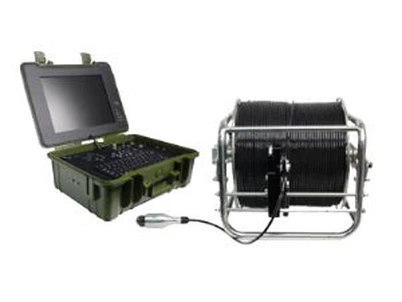
There are several types of pipe cameras that can be used in fiber optic pipes. One popular option is the Underwater dual view borescope inspection camera. This type of camera is designed to work in wet or underwater environments, which is useful if the fiber optic pipes are installed in areas prone to flooding or near bodies of water. It offers a dual - view feature, allowing technicians to get a more comprehensive view of the pipe interior.
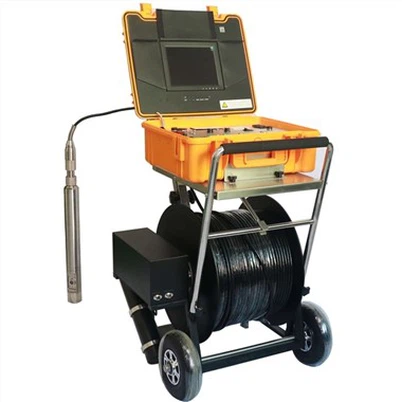
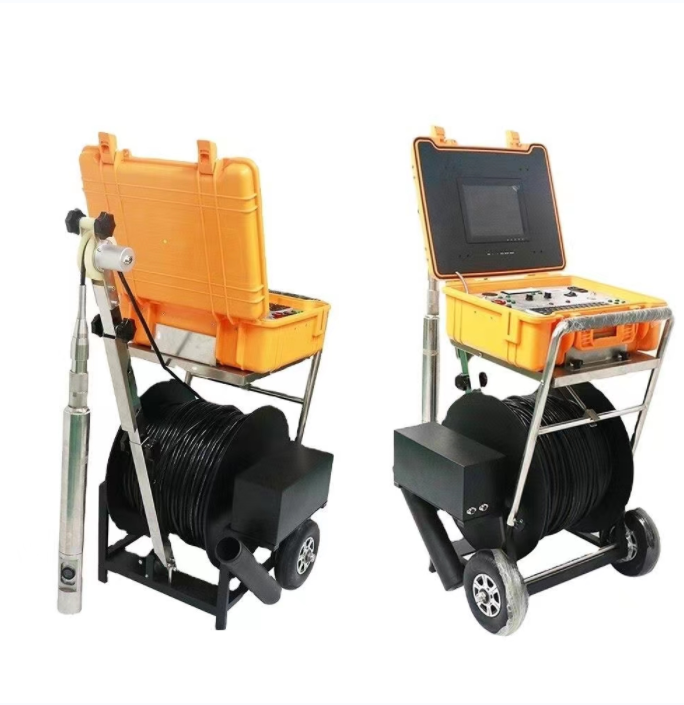
The Borehole Water Well Camera is also a great choice. It's specifically designed for deep - hole inspections, which is common when fiber optic pipes are installed underground. This camera can reach great depths and provide clear images of the pipe walls, making it easier to spot any defects.
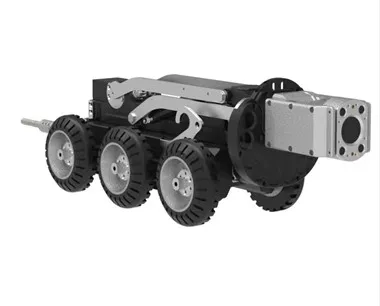
The Flexible Cable Industrial Borehole Camera is ideal for pipes with complex layouts. Its flexible cable can navigate around bends and curves in the pipes, ensuring that every part of the pipe is inspected.
Challenges of Using a Pipe Camera in Fiber Optic Pipes
However, there are also some challenges associated with using a pipe camera in fiber optic pipes. One of the main challenges is the small diameter of the pipes. Fiber optic pipes are often very thin, and finding a camera that can fit inside them can be difficult. The camera needs to be small enough to pass through the pipe without causing any damage to the cables.
Another challenge is the need for high - resolution imaging. Since fiber optic cables are so delicate, even the smallest defect can cause problems. The camera needs to be able to capture clear, detailed images to accurately identify issues. This requires advanced camera technology and high - quality lenses.
How to Overcome the Challenges
To overcome the issue of small - diameter pipes, manufacturers are constantly developing smaller and more compact pipe cameras. These cameras are designed to be highly maneuverable and can easily navigate through narrow pipes.
For high - resolution imaging, modern pipe cameras are equipped with advanced sensors and lenses. Some cameras even offer features like zoom and adjustable lighting, which can enhance the image quality and make it easier to detect small defects.
Real - World Applications
In real - world scenarios, pipe cameras are already being used extensively in the fiber optic industry. Telecommunication companies use them to maintain their networks, ensuring that customers have reliable internet and phone services. Data centers also rely on pipe cameras to inspect the fiber optic pipes that connect their servers, preventing any potential downtime.

Conclusion
In conclusion, a pipe camera can definitely be used in fiber optic pipes. It offers numerous advantages in terms of inspection, maintenance, and problem - solving. While there are some challenges, these can be overcome with the right technology and equipment.
If you're in the fiber optic industry and are looking for a reliable pipe camera solution, I'd love to have a chat with you. Whether you need a camera for preventive maintenance or for troubleshooting existing issues, we have a wide range of products to meet your needs. Don't hesitate to reach out to discuss your requirements and how we can help you keep your fiber optic pipes in top condition.
References
- "Fiber Optic Network Design and Installation" by some industry expert
- Technical documents from pipe camera manufacturers