
Can a sewer camera be used for inspecting lined pipes?
Leave a message

Can a sewer camera be used for inspecting lined pipes?
As a seasoned supplier of sewer cameras, I've encountered numerous inquiries regarding the applicability of these devices for inspecting lined pipes. This topic is of significant interest to professionals in the plumbing, sewer maintenance, and infrastructure inspection sectors. In this blog, I'll delve into the feasibility of using sewer cameras for lined pipe inspections, exploring the technology, its limitations, and the benefits it offers.
Understanding Lined Pipes
Before we discuss the use of sewer cameras, it's essential to understand what lined pipes are. Lined pipes are existing pipes that have been rehabilitated by installing a new lining inside them. This lining can be made of various materials, such as epoxy resin, polyethylene, or PVC. The purpose of lining a pipe is to repair damaged or deteriorating pipes, prevent leaks, and improve the pipe's flow capacity without the need for extensive excavation.
The Technology Behind Sewer Cameras
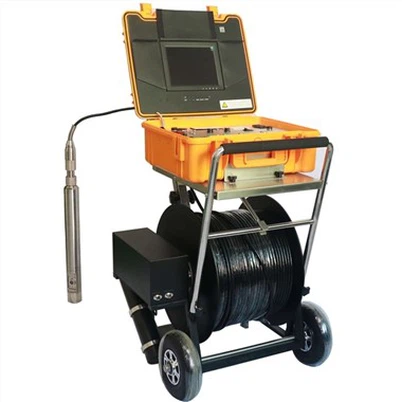
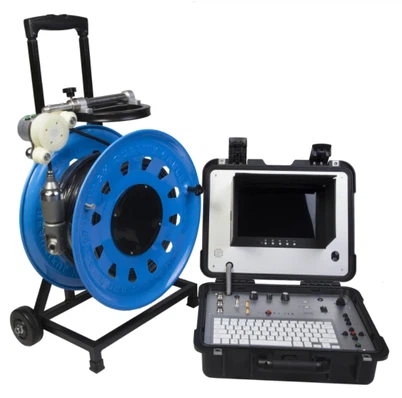
Sewer cameras are sophisticated devices equipped with high - resolution cameras and powerful lighting systems. They are typically attached to flexible cables that can be inserted into the sewer or pipe system. These cameras transmit real - time video footage to a monitor, allowing inspectors to visually assess the condition of the pipes.
Modern sewer cameras come with features like adjustable zoom, pan, and tilt, which enable inspectors to get a detailed view of the pipe interior. Some cameras also have built - in lasers for measuring the dimensions of the pipe and detecting the presence of any blockages or deformities.
Can Sewer Cameras Be Used for Inspecting Lined Pipes?
The short answer is yes, sewer cameras can be effectively used for inspecting lined pipes. However, there are several factors to consider.
1. Compatibility with Lining Materials
Most sewer cameras are designed to work well with a variety of pipe materials, including lined pipes. The smooth interior surface of lined pipes often provides an ideal environment for camera movement. However, certain lining materials may have specific properties that could affect the camera's performance. For example, some epoxy linings may have a high gloss finish that could cause reflections, making it difficult to get a clear image. In such cases, adjusting the camera's lighting settings may be necessary.
2. Assessing the Integrity of the Lining
Sewer cameras can be used to check for any signs of damage or deterioration in the lining. Inspectors can look for cracks, delamination, or voids in the lining. For example, if there is a crack in the lining, water may seep through, causing corrosion to the original pipe or adjacent structures. The high - resolution video provided by the sewer camera allows inspectors to detect these issues early on, enabling timely repairs.
3. Detecting Obstructions and Blockages
Even in lined pipes, blockages can occur. These can be caused by debris, tree roots, or improper installation of the lining. Sewer cameras can help identify the location and nature of these blockages. Once the blockage is located, appropriate measures can be taken to remove it, such as snaking or hydro - jetting.
4. Measuring the Lining Thickness
Some advanced sewer cameras are equipped with laser measurement tools. These tools can be used to measure the thickness of the lining. This is important as the lining thickness can affect the pipe's flow capacity and structural integrity. If the lining is too thin in some areas, it may be more prone to damage.


Limitations of Using Sewer Cameras for Lined Pipe Inspections
While sewer cameras are a valuable tool for inspecting lined pipes, they do have some limitations.
1. Limited Depth Perception
Although sewer cameras provide a clear view of the pipe interior, they may have limited depth perception. This can make it difficult to accurately assess the severity of some defects, such as the depth of a crack or the thickness of a layer of debris. In such cases, additional inspection methods may be required.
2. Blind Spots
There may be blind spots in the pipe where the camera cannot reach. These can occur due to sharp bends, T - junctions, or other complex pipe configurations. To overcome this, multiple camera runs or the use of specialized cameras, such as Borehole Inspection Camera, may be necessary.
3. Dependence on Operator Skills
The effectiveness of a sewer camera inspection also depends on the skills of the operator. An inexperienced operator may miss important details or misinterpret the video footage. Therefore, proper training is essential for accurate inspections.
Benefits of Using Sewer Cameras for Lined Pipe Inspections
Despite the limitations, there are several benefits to using sewer cameras for inspecting lined pipes.
1. Non - Destructive Testing
Sewer camera inspections are a non - destructive testing method. This means that there is no need to excavate the pipes to assess their condition. This not only saves time and money but also minimizes disruption to the surrounding environment.
2. Real - Time Monitoring
The real - time video footage provided by sewer cameras allows inspectors to make immediate decisions. If a problem is detected, the necessary repairs can be planned and executed without delay.
3. Documentation
The video footage from the sewer camera can be recorded and stored for future reference. This documentation can be used for maintenance planning, regulatory compliance, or to provide evidence in case of disputes.
Specialized Cameras for Enhanced Inspections
In addition to standard sewer cameras, there are specialized cameras that can be used for more comprehensive lined pipe inspections. For example, the Borehole Deep Water Inspection Camera is designed for use in deep water environments and can be used to inspect pipes in areas with high water levels. The Flexible Cable Industrial Borehole Camera is ideal for inspecting pipes with complex geometries, as its flexible cable can navigate through tight spaces.
Conclusion
In conclusion, sewer cameras can be a valuable tool for inspecting lined pipes. They offer a non - destructive, real - time, and documented way to assess the condition of the pipes and the integrity of the lining. While there are some limitations, these can be mitigated through proper operator training and the use of specialized cameras.
If you are in need of high - quality sewer cameras for lined pipe inspections or have any questions about our products, we encourage you to reach out to us. Our team of experts is ready to assist you in finding the right camera solution for your specific needs. Let's start a conversation about your procurement requirements and explore how our sewer cameras can benefit your inspection projects.
References
- Smith, J. (2020). Pipe Inspection Technologies. Plumbing Journal, 45(2), 34 - 42.
- Johnson, A. (2019). Lined Pipe Rehabilitation: Best Practices. Infrastructure Maintenance Review, 32(3), 12 - 20.
- Williams, R. (2018). The Role of Sewer Cameras in Modern Pipe Inspection. Hygiene and Sanitation Magazine, 28(4), 56 - 63.