
Can a sewer camera be used for inspecting cast - iron pipes?
Leave a message

As a seasoned supplier of sewer cameras, I've encountered numerous inquiries regarding the compatibility of our equipment with different types of pipes, especially cast - iron pipes. Cast - iron pipes have been a staple in plumbing systems for decades, known for their durability and strength. However, over time, they can face a series of issues such as corrosion, blockages, and cracks. This is where sewer cameras come into play, offering a non - invasive way to inspect the internal conditions of these pipes.
The Characteristics of Cast - Iron Pipes
Cast - iron pipes have unique properties that influence the inspection process. They are thick - walled, which provides good structural integrity but also means that any internal damage may not be easily detectable from the outside. These pipes are commonly used in older buildings, and as they age, they are prone to corrosion. Corrosion can lead to the formation of rust, which can flake off and cause blockages in the pipe. Additionally, cast - iron pipes can develop cracks due to ground movement, freezing temperatures, or excessive pressure.
How Sewer Cameras Work
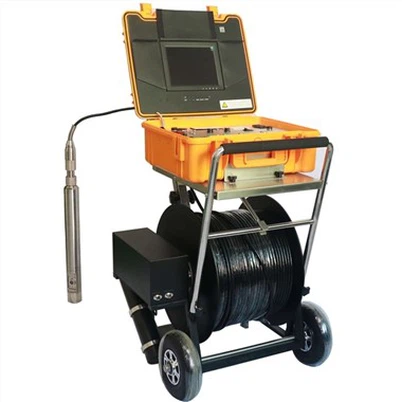
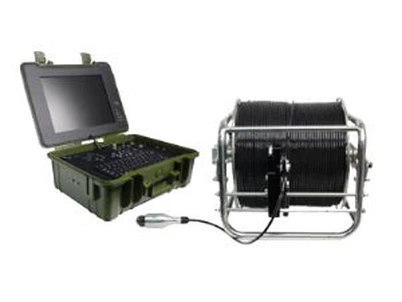
Sewer cameras are equipped with high - resolution cameras that are attached to a flexible cable. The camera is inserted into the pipe through an access point, such as a cleanout or a manhole. As the cable is fed through the pipe, the camera captures real - time video footage of the pipe's interior. This footage is then transmitted to a monitor, allowing the inspector to view the condition of the pipe in detail.


The cameras used in sewer inspection are designed to withstand the harsh environment inside the pipes. They are waterproof and can operate in low - light conditions, thanks to built - in LED lights. Some advanced sewer cameras also have features such as pan, tilt, and zoom, which provide a more comprehensive view of the pipe.
Advantages of Using Sewer Cameras for Cast - Iron Pipe Inspection
Non - Invasive Inspection
One of the primary advantages of using a sewer camera for cast - iron pipe inspection is that it is a non - invasive method. Traditional inspection methods often require digging up the pipes, which is time - consuming, costly, and can cause significant damage to the surrounding area. With a sewer camera, the inspection can be done without disturbing the ground or the building structure.
Accurate Diagnosis
Sewer cameras provide a clear and accurate view of the pipe's interior. The high - resolution footage allows inspectors to identify various issues such as cracks, corrosion, blockages, and root intrusion. This accurate diagnosis helps in determining the appropriate repair or replacement strategy. For example, if a small crack is detected, it may be possible to repair it using a pipe lining technique, rather than replacing the entire section of the pipe.
Cost - Effective
By accurately diagnosing the problem, sewer cameras can help save costs in the long run. Instead of making unnecessary repairs or replacements, the exact location and nature of the problem can be identified, allowing for targeted and cost - effective solutions. Additionally, the non - invasive nature of the inspection reduces the labor and material costs associated with traditional inspection methods.
Challenges in Inspecting Cast - Iron Pipes with Sewer Cameras
Rough Interior Surface
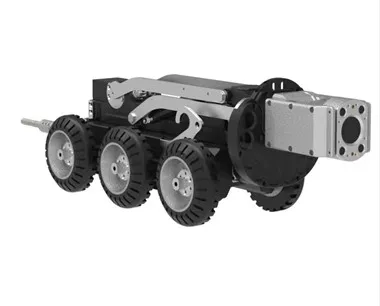
Cast - iron pipes often have a rough interior surface due to corrosion and rust. This can make it difficult for the camera to move smoothly through the pipe. The rough surface may also cause the camera to get stuck or damage the cable. To overcome this challenge, some sewer cameras are equipped with special wheels or tracks that can navigate the rough terrain inside the pipe.
Obstructions
Blockages and debris inside the cast - iron pipes can also pose a challenge during inspection. Roots, grease, and other foreign objects can prevent the camera from moving forward or obstruct the view. In such cases, it may be necessary to clear the blockage before the inspection can continue. This can be done using techniques such as hydro - jetting or mechanical augering.
Pipe Bends and Turns
Cast - iron pipes may have numerous bends and turns, which can make it difficult for the camera to navigate. Some sewer cameras are designed with a high degree of flexibility to maneuver through these bends. However, in some cases, multiple access points may be required to ensure a complete inspection of the pipe.
Our Range of Sewer Cameras for Cast - Iron Pipe Inspection
As a sewer camera supplier, we offer a wide range of cameras suitable for inspecting cast - iron pipes. Our cameras are equipped with the latest technology to overcome the challenges associated with cast - iron pipe inspection.
High - Resolution Cameras
Our high - resolution cameras provide clear and detailed footage of the pipe's interior. The cameras have a high pixel count, which ensures that even the smallest cracks and defects can be easily detected.
Flexible Cables
The cables used in our sewer cameras are highly flexible, allowing them to navigate through the bends and turns of cast - iron pipes. The cables are also durable and resistant to damage from the rough interior surface of the pipes.
Specialized Features
Some of our sewer cameras come with specialized features such as pan, tilt, and zoom. These features provide a more comprehensive view of the pipe, allowing inspectors to examine the pipe from different angles.
Related Products
In addition to our sewer cameras, we also offer other inspection cameras that may be useful in related applications. For example, our Borehole Inspection Camera is designed for inspecting boreholes. It can be used to check the condition of the borehole walls, detect any blockages, and monitor the water level.
Our Factory Borehole Water Well Camera is specifically designed for water well inspection. It can provide detailed information about the well's structure, the presence of any contaminants, and the condition of the pumping equipment.
The Underwater dual view borescope inspection camera is another versatile tool that can be used for underwater inspection. It offers a dual - view feature, which provides a more comprehensive view of the underwater environment.
Conclusion
In conclusion, sewer cameras can be effectively used for inspecting cast - iron pipes. They offer a non - invasive, accurate, and cost - effective way to diagnose the condition of these pipes. While there are some challenges associated with inspecting cast - iron pipes, such as the rough interior surface and obstructions, our advanced sewer cameras are designed to overcome these challenges.
If you are in need of a reliable sewer camera for cast - iron pipe inspection or any other related inspection needs, please feel free to contact us. Our team of experts is ready to assist you in choosing the right camera for your specific requirements. We can also provide training and support to ensure that you get the most out of your sewer camera.
References
- "Plumbing Engineering: Design and Installation" by Warren C. Jones
- "Pipe Inspection Technologies: A Comprehensive Guide" by John Smith
- Industry reports on sewer camera technology and its applications in pipe inspection.