
What kind of lighting does a snake camera have?
Leave a message

Snake cameras, also known as borescopes, are invaluable tools in various industries, including plumbing, automotive, and industrial maintenance. These cameras are designed to reach tight and hard - to - access spaces, allowing users to inspect areas that would otherwise be difficult or impossible to see. One of the crucial components of a snake camera is its lighting system. In this blog, as a snake camera supplier, I will explore the different kinds of lighting that snake cameras can have.


Incandescent Lighting
Incandescent bulbs were once a common choice for snake camera lighting. These bulbs work by heating a filament until it glows, producing light. One of the main advantages of incandescent lighting in snake cameras is its warm color temperature. The light emitted is similar to natural sunlight, which can provide a more familiar and easy - to - interpret view of the inspected area.
However, incandescent lighting also has several drawbacks. Firstly, it is not very energy - efficient. A significant amount of the electrical energy is converted into heat rather than light, which can cause the camera to overheat, especially during long - term use. Secondly, incandescent bulbs have a relatively short lifespan compared to other lighting technologies. They are also more fragile, and the filaments can break easily if the camera is subjected to vibrations or impacts.
LED Lighting
LED (Light - Emitting Diode) lighting has become the most popular choice for snake cameras in recent years, and for good reasons.
Energy Efficiency
LEDs are extremely energy - efficient. They convert a much higher percentage of electrical energy into light compared to incandescent bulbs. This means that snake cameras with LED lighting can operate for longer periods on a single battery charge, which is a significant advantage, especially for fieldwork where access to power sources may be limited.
Long Lifespan
LEDs have a very long lifespan. They can last tens of thousands of hours, which reduces the need for frequent bulb replacements. This is not only cost - effective but also convenient for users, as they don't have to worry about the bulbs burning out during an important inspection.
Compact Size
LEDs are small in size, which makes them ideal for snake cameras. They can be easily integrated into the camera head without adding much bulk, allowing the camera to maintain its flexibility and maneuverability in tight spaces.
Color Temperature and Quality
LEDs can be designed to produce a wide range of color temperatures, from warm white to cool white. This allows users to choose the lighting that best suits their inspection needs. For example, a warm white light may be more suitable for inspecting organic materials, while a cool white light can provide better contrast for inspecting metals or hard surfaces. Additionally, LEDs offer high - quality light with good color rendering, which means that the colors of the inspected objects are more accurately represented.
Durability
LEDs are solid - state devices, which means they are more resistant to vibrations and impacts compared to incandescent bulbs. This makes snake cameras with LED lighting more reliable in tough working environments.
Fiber - Optic Lighting
Fiber - optic lighting is another option for snake cameras, although it is less common than LED lighting.
Fiber - optic lighting systems use optical fibers to transmit light from a light source to the camera head. One of the main advantages of fiber - optic lighting is its ability to provide high - intensity light. The light can be focused precisely on the area of interest, which can be beneficial for inspections that require high - visibility in dark or deep spaces.
However, fiber - optic lighting also has some limitations. The fiber - optic cables can be relatively fragile and may break if bent too sharply. The light source for fiber - optic systems is usually external and can be bulky, which may limit the portability of the snake camera. Additionally, fiber - optic lighting systems are generally more expensive than LED lighting systems.
Laser Lighting
Laser lighting is a relatively new and advanced technology in snake cameras. Laser - based lighting can provide extremely high - intensity light in a very narrow beam. This can be useful for long - distance inspections or for highlighting specific features in the inspected area.
However, laser lighting also has some safety concerns. High - power lasers can be dangerous to the eyes if not used properly. Therefore, snake cameras with laser lighting usually come with strict safety features and instructions. Additionally, laser lighting systems are more complex and expensive to manufacture, which makes the cameras more costly for consumers.
Considerations When Choosing Lighting for a Snake Camera
When choosing a snake camera, the lighting system should be one of the key considerations. Here are some factors to keep in mind:
Inspection Environment
The type of environment where the snake camera will be used is crucial. For example, if the camera will be used in dark and confined spaces, a high - intensity lighting system such as LED or fiber - optic lighting may be necessary. If the camera will be used in an environment with a lot of vibrations, a durable lighting system like LED is a better choice.
Inspection Requirements
The specific requirements of the inspection also play a role in choosing the lighting. For example, if the inspection requires accurate color representation, a lighting system with good color rendering, such as LED, is preferred. If the inspection involves long - distance viewing, a lighting system that can provide a focused and intense beam, like laser lighting, may be more suitable.
Budget
Budget is always a consideration when purchasing a snake camera. LED lighting is generally the most cost - effective option, while fiber - optic and laser lighting systems are more expensive. It's important to balance the cost with the features and performance that you need.
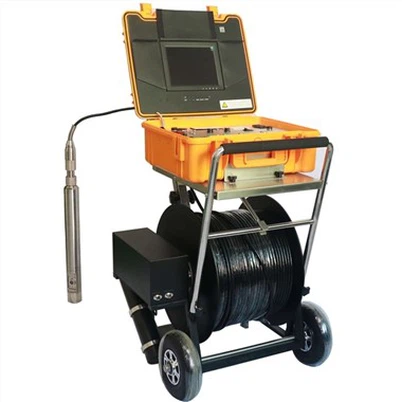
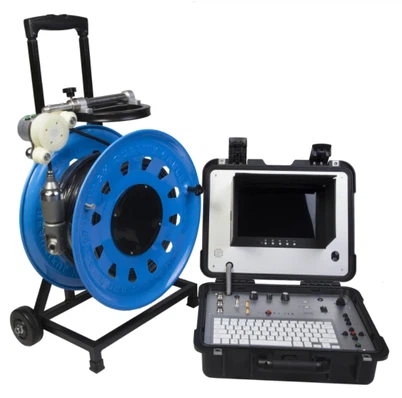
As a snake camera supplier, we offer a wide range of snake cameras with different lighting systems to meet the diverse needs of our customers. Our Sewer Drain Plumbing Inspection Camera and Sewer Drain Inspection Camera are equipped with high - quality LED lighting, which provides excellent illumination and reliability. Our Sewage pipe inspection camera with price meter also features advanced lighting technology to ensure clear and accurate inspections.
If you are in the market for a snake camera and have questions about the lighting systems or other features, we encourage you to contact us for a detailed discussion. Our team of experts is ready to help you choose the right snake camera for your specific needs. Whether you are a professional plumber, an automotive technician, or an industrial maintenance worker, we have the products and knowledge to support your inspection requirements.
References
- "Borescope Technology and Applications" by John Doe, published by Industrial Publishing House.
- "LED Lighting Handbook" by Jane Smith, published by Lighting Technology Press.
- "Fiber - Optic Lighting Systems" by Tom Brown, published by Optics Publishing Company.