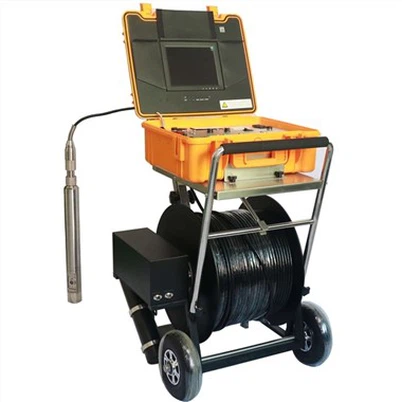

What is the signal strength of a pipe camera?
Leave a message

Hey there! As a pipe camera supplier, I often get asked about the signal strength of pipe cameras. It's a crucial aspect, especially when you're relying on these cameras for inspections in various environments. So, let's dive right into what signal strength means for a pipe camera and why it matters.
First off, what exactly is signal strength? In simple terms, it's the measure of how well the camera can send and receive data, mainly the video feed, between the camera unit and the display or recording device. A strong signal ensures that you get a clear, uninterrupted view of what's going on inside the pipes.
Now, think about the different scenarios where pipe cameras are used. They can be deployed in long sewage pipes, deep boreholes, or even in complex industrial pipe networks. In each of these situations, the signal has to travel through different materials and distances, which can affect its strength.
For instance, in a long sewage pipe, the signal might have to pass through water, dirt, and the pipe walls themselves. These materials can absorb or interfere with the signal, causing it to weaken. If the signal strength isn't up to par, you might end up with a blurry or pixelated video, or worse, lose the connection altogether.
In the case of boreholes, the depth can be a major factor. The deeper the borehole, the longer the signal has to travel. And as it travels, it can face resistance from the surrounding soil, rocks, and any water present. This is where a high - quality pipe camera with good signal strength really shines. It can maintain a stable connection even at great depths, allowing for accurate inspections.
Let's talk about the technology behind signal strength in pipe cameras. Most modern pipe cameras use wireless or wired transmission methods. Wired cameras typically have a more stable signal because the data travels through a physical cable. This cable is designed to minimize signal loss, so you're more likely to get a clear video feed. However, the length of the cable can still be a limiting factor. If you need to inspect a very long pipe, you might run out of cable length, or the signal could start to degrade over the distance.
Wireless pipe cameras, on the other hand, offer more flexibility. They use radio frequencies to transmit the signal. But this method is more susceptible to interference. Things like other electronic devices in the area, metal objects, or even the structure of the pipes themselves can disrupt the wireless signal. That's why it's important to choose a wireless pipe camera with a strong and reliable signal.
When it comes to our products, we've put a lot of effort into ensuring excellent signal strength. Our Borewell Inspection Camera is designed to work effectively in borewells. It can handle the challenges of deep - well inspections, maintaining a clear signal even at significant depths. The camera uses advanced wireless technology that minimizes interference and provides a stable video feed.
Similarly, our Borehole Water Well Camera is built to withstand the harsh conditions of water wells. Whether it's dealing with water, mud, or the well's structure, this camera can deliver a strong signal for accurate inspections.
And our Borehole Inspection Camera is another great option. It's suitable for a wide range of borehole inspection tasks, from small residential wells to large industrial boreholes. With its high - powered signal transmission, you can trust it to get the job done.


But how do you measure the signal strength of a pipe camera? Well, there are a few ways. One common method is to look at the signal - to - noise ratio (SNR). A higher SNR means a stronger, cleaner signal. Another way is to test the camera in real - world conditions. You can try it out in a pipe or borehole similar to the one you'll be using it in and see how well it performs.
When choosing a pipe camera, don't just focus on the price. A cheap camera might seem like a good deal, but if it has poor signal strength, it could end up costing you more in the long run. You might have to repeat inspections, or you might miss important details due to a weak signal.
So, if you're in the market for a pipe camera, make sure to consider the signal strength. And if you have any questions or need more information, don't hesitate to reach out. We're here to help you find the right camera for your needs. Whether you're a professional inspector or a DIY enthusiast, having a reliable pipe camera with strong signal strength can make all the difference in your inspection work.
If you're interested in purchasing a pipe camera, we'd love to have a chat with you. Let's discuss your specific requirements and find the perfect camera for you. Contact us to start the procurement process and get the best pipe camera solution for your projects.
References
- General knowledge of pipe camera technology and signal transmission principles.
- Product specifications and testing results of our pipe camera models.