
What is the quality standard of a coaxial line?
Leave a message

As a coaxial line supplier, I've been deeply involved in the industry for quite some time. Coaxial lines, also known as coax cables, are essential components in various fields, from telecommunications to broadcasting and even in some specialized industrial applications. Understanding the quality standards of coaxial lines is crucial for both suppliers like us and our customers.
Electrical Performance
One of the most fundamental aspects of the quality standard of a coaxial line is its electrical performance. The characteristic impedance is a key parameter. It is typically standardized at 50 ohms or 75 ohms for most common applications. A coaxial line with an incorrect characteristic impedance can lead to signal reflections, which in turn cause signal loss and degradation. For example, in a high - speed data transmission system, even a small deviation in impedance can result in significant errors in data transfer.
Attenuation is another vital electrical performance indicator. It measures the loss of signal strength as it travels along the coaxial line. Lower attenuation values are generally better, as they mean less signal loss over a given distance. The attenuation of a coaxial line is affected by factors such as the frequency of the signal, the length of the cable, and the materials used in its construction. For instance, in a long - distance radio frequency (RF) transmission, a coaxial line with low attenuation is essential to ensure that the signal can reach its destination with sufficient strength.


The voltage standing wave ratio (VSWR) is also an important metric. It reflects the degree of impedance matching between the coaxial line and the connected devices. A low VSWR indicates good impedance matching and minimal signal reflections. In a well - designed system, the VSWR should be as close to 1 as possible. High VSWR can lead to power loss, overheating of the cable, and potential damage to the connected equipment.
Mechanical Performance
The mechanical performance of a coaxial line is equally important. The outer jacket of the coaxial line should be durable and resistant to environmental factors such as moisture, chemicals, and abrasion. A high - quality outer jacket can protect the inner components of the cable from damage, ensuring its long - term reliability. For example, in an industrial environment where the cable may be exposed to harsh chemicals or rough handling, a robust outer jacket is necessary.
The flexibility of the coaxial line is another mechanical consideration. In some applications, such as in mobile devices or in installations where the cable needs to be bent or routed around obstacles, a flexible coaxial line is preferred. However, the flexibility should not come at the expense of the cable's electrical performance. The inner conductors and dielectric materials should be able to withstand bending without significant degradation of the electrical properties.
The tensile strength of the coaxial line is also crucial. It determines the maximum amount of pulling force the cable can withstand without breaking. In applications where the cable needs to be installed over long distances or in areas where it may be subject to pulling forces, a coaxial line with high tensile strength is required.
Material Quality
The materials used in the construction of a coaxial line have a direct impact on its quality. The inner conductor is usually made of copper or copper - clad aluminum. Copper is a better conductor with lower resistance, which results in less signal loss. However, copper - clad aluminum can be a more cost - effective alternative in some applications where the performance requirements are not extremely high.
The dielectric material between the inner conductor and the outer conductor plays a critical role in determining the electrical properties of the coaxial line. Common dielectric materials include polyethylene (PE), foam polyethylene, and polytetrafluoroethylene (PTFE). Each material has its own advantages and disadvantages. For example, PTFE has excellent electrical properties, such as low dielectric constant and low loss tangent, but it is more expensive than PE.
The outer conductor, which provides shielding for the inner conductor, is typically made of copper braid or aluminum foil. A well - constructed outer conductor can effectively block external electromagnetic interference (EMI) and radio frequency interference (RFI). In applications where the coaxial line is used in a high - interference environment, such as near power lines or in a crowded electronic equipment room, a high - quality outer conductor is essential.
Testing and Certification
To ensure that our coaxial lines meet the required quality standards, we conduct a series of rigorous tests. These tests include electrical tests such as impedance measurement, attenuation measurement, and VSWR measurement. We also perform mechanical tests such as tensile strength testing, flexibility testing, and abrasion resistance testing.
In addition to our in - house testing, our coaxial lines are also certified by relevant international standards organizations. Certifications such as ISO 9001, UL, and CE indicate that our products meet the high - quality standards recognized globally. These certifications give our customers confidence in the quality and reliability of our coaxial lines.
Applications and Compatibility
The quality standard of a coaxial line also depends on its intended applications. Different applications have different requirements for the electrical and mechanical properties of the coaxial line. For example, in a satellite communication system, the coaxial line needs to have extremely low attenuation and high shielding effectiveness to ensure reliable signal transmission over long distances. In a consumer electronics device, such as a television or a computer, the coaxial line may need to be more flexible and cost - effective.
Compatibility with other components in the system is also crucial. The coaxial line should be able to work seamlessly with connectors, amplifiers, and other devices. A well - designed coaxial line should have standard interfaces and dimensions to ensure easy installation and compatibility with a wide range of equipment.
Related Products and Their Role
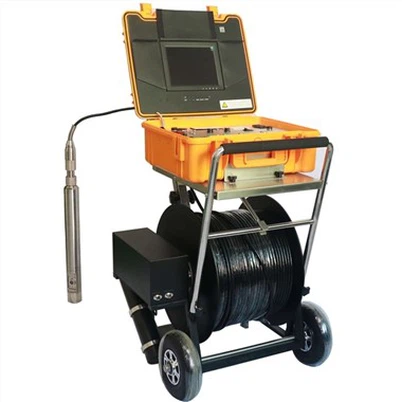
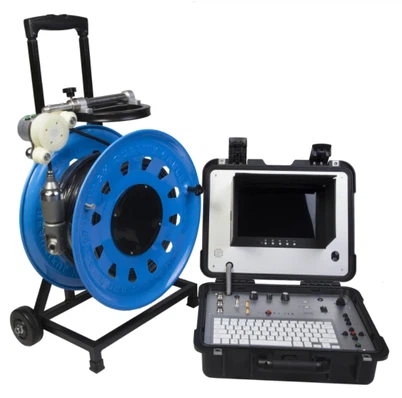
In some cases, coaxial lines are used in conjunction with other inspection tools. For example, Water Pipe Inspection Camera can be used to inspect the condition of pipes where coaxial lines may be installed. The camera can detect any damage or blockages in the pipes, which may affect the installation and performance of the coaxial line. Similarly, the Endoscope inspection camera for pipes, sewers and drainage pipes and Pipeline Inspection Camera can provide valuable information about the environment in which the coaxial line will be placed, helping to ensure that the installation is carried out correctly.
Conclusion
In conclusion, the quality standard of a coaxial line is a complex combination of electrical performance, mechanical performance, material quality, testing and certification, and compatibility with applications. As a coaxial line supplier, we are committed to providing our customers with high - quality coaxial lines that meet or exceed the industry standards.
If you are interested in purchasing coaxial lines for your specific application, we invite you to contact us for further discussion. We have a team of experts who can help you select the most suitable coaxial line based on your requirements. Whether you need a coaxial line for a small - scale consumer application or a large - scale industrial project, we can provide you with the right solution.
References
- "Coaxial Cable Handbook" by ARRL
- "RF and Microwave Transmission Line Design" by John F. White