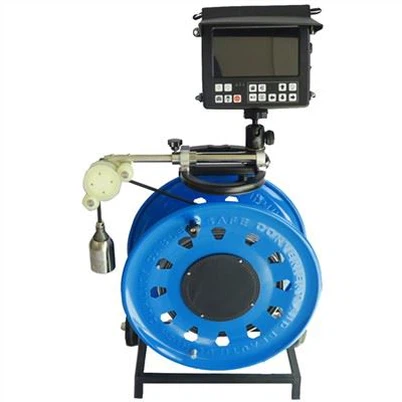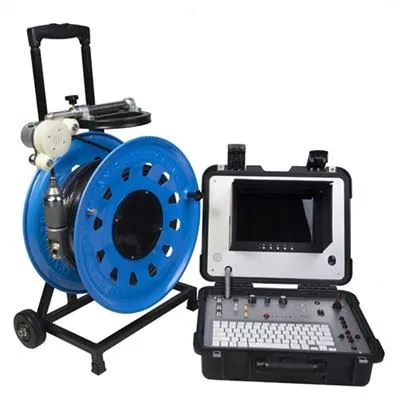

What is the power source of a pipe camera?
Leave a message

Hey there! As a pipe camera supplier, I often get asked about the power source of these nifty devices. So, let's dive right in and explore what keeps our pipe cameras up and running.
Battery - The Most Common Power Source
Batteries are by far the most popular power source for pipe cameras. They offer a ton of advantages that make them a go - to choice for many users.
First off, they're super portable. You can take your pipe camera anywhere, whether it's a small residential plumbing job or a large - scale industrial inspection. No need to worry about finding a power outlet nearby. You just grab your camera, and you're good to go.
There are different types of batteries used in pipe cameras. Lithium - ion batteries are quite common. They have a high energy density, which means they can store a lot of power in a relatively small size. This allows for longer operation times without having to recharge frequently. For example, some of our pipe cameras with lithium - ion batteries can run for up to 8 hours on a single charge. That's a long time to be inspecting pipes without interruption.
Another type is the alkaline battery. These are more readily available and can be easily replaced. If you're in a pinch and don't have a charger handy, you can just pop in a new set of alkaline batteries and keep working. However, they don't last as long as lithium - ion batteries and may need to be replaced more often.
AC Power Supply
Sometimes, you might want to use an AC power supply for your pipe camera. This is especially useful when you're working in a fixed location, like a workshop or a building with easy access to electrical outlets.
The main advantage of using an AC power supply is that you don't have to worry about battery life. You can run the camera for as long as you need without having to recharge or replace batteries. This is great for long - term inspections or when you're doing multiple inspections in a row.
However, the downside is that it limits your mobility. You're tied to the power outlet, so you can't move too far away from it. But for some applications, like inspecting pipes in a building where you can easily plug in, it's a great option.
Solar Power
In recent years, solar power has started to gain popularity as a power source for pipe cameras. It's an eco - friendly option that can be really useful in outdoor settings.
Solar panels can be attached to the pipe camera or its carrying case. They collect sunlight and convert it into electricity, which can then be used to power the camera. This is a great option for remote locations where there's no access to AC power and carrying a lot of batteries might be a hassle.
Of course, solar power has its limitations. It depends on the availability of sunlight. If it's a cloudy day or you're working in a shaded area, the solar panels may not generate enough power. But on a sunny day, they can provide a reliable source of energy for your pipe camera.
Hybrid Power Systems
Some pipe cameras come with hybrid power systems that combine the best of both worlds. For example, they might have a battery that can be recharged by an AC power supply or a solar panel. This gives you more flexibility in choosing the power source based on your needs and the environment you're working in.
If you're out in the field and there's plenty of sunlight, you can use the solar panel to charge the battery. And if you're back in the workshop, you can plug it into an AC outlet to recharge. This way, you're always prepared, no matter where you are.
Power Source and Camera Performance
The power source can also have an impact on the performance of the pipe camera. A stable and reliable power source is crucial for getting clear and accurate images.
If the power supply is inconsistent, it can cause the camera to flicker or produce poor - quality images. For example, if a battery is running low, the camera may not have enough power to operate at its full capacity. This can result in blurry images or a loss of functionality.
That's why it's important to choose a high - quality power source and to make sure it's properly maintained. Regularly charging or replacing batteries, and checking the connections of an AC power supply, can help ensure that your pipe camera performs at its best.
Our Product Range
At our company, we offer a wide range of pipe cameras with different power options. Whether you need a battery - powered camera for portability, an AC - powered camera for fixed - location use, or a solar - powered camera for outdoor applications, we've got you covered.
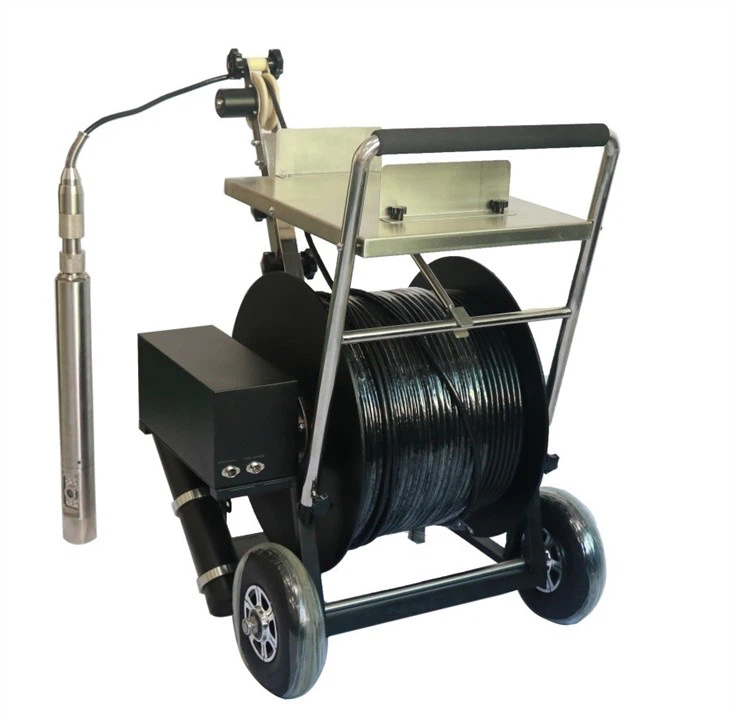

Check out our Borehole Deep Water Inspection Camera, Borewell Inspection Camera, and Borehole Inspection Camera. These cameras are designed to provide high - quality images and reliable performance, no matter what power source you choose.
Let's Connect
If you're interested in purchasing a pipe camera or have any questions about the power sources, don't hesitate to reach out. We're here to help you find the perfect solution for your needs. Whether you're a plumber, an industrial inspector, or just someone who wants to check out their own pipes, we've got the right camera for you.
References
- "Handbook of Industrial Inspection Cameras", XYZ Publishing
- "Power Sources for Portable Electronic Devices", ABC Research Group