
What is the distortion level of a snake camera's image?
Leave a message

Hey there! As a snake camera supplier, I often get asked about the distortion level of snake camera images. It's a crucial topic, especially for those who rely on these cameras for various inspection tasks. So, let's dive right in and explore what the distortion level of a snake camera's image really means.
First off, what is image distortion? Well, in simple terms, it's when the image captured by the camera doesn't accurately represent the real - world object or scene. There are different types of distortion that can occur in snake cameras. One common type is barrel distortion. This makes straight lines in the real world appear to curve outwards, like the shape of a barrel. It usually happens more towards the edges of the camera's field of view. Another type is pincushion distortion, where straight lines seem to curve inwards, similar to the shape of a pincushion.
The distortion level in snake cameras can be affected by several factors. One of the main factors is the lens design. Snake cameras come with different types of lenses, and each lens has its own optical characteristics. Wide - angle lenses, for example, are more prone to distortion. They're great for getting a broader view of the area being inspected, but they often introduce more barrel distortion at the edges of the frame. On the other hand, narrow - angle lenses may have less distortion but offer a more limited field of view.
The quality of the lens materials also plays a role. High - quality lenses made from better materials are generally more likely to have lower distortion levels. Cheaper lenses may have more optical imperfections, which can lead to increased distortion.
Another factor is the camera's sensor. The sensor is responsible for capturing the light and converting it into an image. If the sensor is of low quality or has a low resolution, it can affect the accuracy of the image and potentially increase the distortion.
Now, why does the distortion level matter? For inspection purposes, accurate images are crucial. If you're using a snake camera to inspect a sewer pipe, for instance, distortion can make it difficult to accurately assess the condition of the pipe. A distorted image might make a small crack look larger or smaller than it actually is, leading to incorrect assessments and potentially costly mistakes.
Let's talk about how we, as a snake camera supplier, deal with distortion. We understand the importance of providing high - quality, low - distortion images to our customers. That's why we carefully select the lenses and sensors for our cameras. We work with manufacturers who have a reputation for producing high - quality optical components.


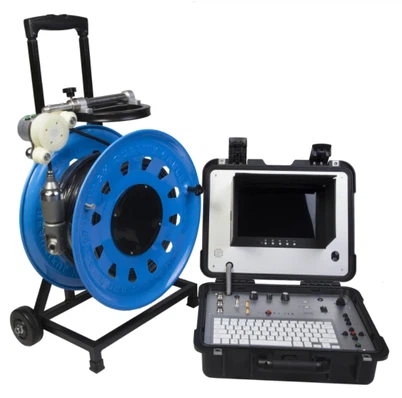
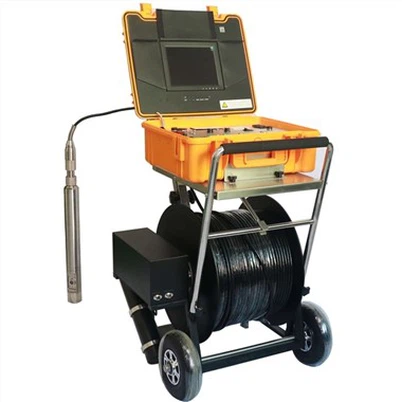
Our Hot Sale13 Inch Screen Sewer Camera is a great example. It's equipped with a high - quality lens that minimizes distortion while still providing a wide field of view. This allows for clear and accurate inspections of sewer pipes, even in hard - to - reach areas.
The 512HZ HD 23mm Drain Pipe Pipeline Sewer Inspection Camera is another product that we're proud of. With its advanced sensor and well - designed lens, it offers a low - distortion image, ensuring that you get an accurate view of the drain pipe's interior.
Our Pan - Tilt Sewer Video Pipe Inspection Camera also features a high - quality imaging system. The pan - tilt function allows you to adjust the camera's angle, and the low - distortion lens ensures that the images you capture are as accurate as possible.
We also offer calibration options for some of our snake cameras. Calibration can help to further reduce any remaining distortion in the images. It's a simple process that can be done on - site, and it ensures that the camera is providing the most accurate images possible.
When it comes to measuring the distortion level of a snake camera, there are specific metrics that are used. One common metric is the percentage of distortion. This measures how much the straight lines in the image deviate from their true, straight form. A lower percentage indicates less distortion.
We test all our cameras to ensure that they meet our quality standards for distortion. We use specialized equipment to measure the distortion level and make any necessary adjustments during the manufacturing process.
In addition to distortion, there are other image quality factors that are important in snake cameras. These include resolution, color accuracy, and low - light performance. A high - resolution camera will provide a clearer and more detailed image, while good color accuracy ensures that the colors in the image are true to life. Low - light performance is also crucial, especially when inspecting dark areas like sewer pipes.
If you're in the market for a snake camera, it's important to consider the distortion level along with these other factors. Don't just focus on the price or the brand. Look for a camera that offers a good balance of low distortion, high resolution, and other important features.
As a snake camera supplier, we're always here to help you choose the right camera for your needs. Whether you're a professional plumber, an inspector, or just someone who needs to inspect a small pipe at home, we have a camera that will suit your requirements.
If you're interested in learning more about our snake cameras or have any questions about the distortion level or other features, don't hesitate to get in touch. We're happy to have a chat with you and help you make an informed decision. We can also provide you with more detailed information about our products and their specifications.
In conclusion, the distortion level of a snake camera's image is an important factor to consider when choosing a camera. It can affect the accuracy of your inspections and potentially lead to costly mistakes if not taken into account. At our company, we're committed to providing high - quality snake cameras with low distortion levels. So, if you're looking for a reliable snake camera, give us a shout, and we'll be glad to assist you in your purchase.
References
- Optics textbooks on lens design and distortion analysis
- Industry reports on snake camera technology and quality standards