

How do I measure the length of a pipe using a pipe camera?
Leave a message

Hey there! As a pipe camera supplier, I often get asked about how to measure the length of a pipe using a pipe camera. It's a pretty common question, and I'm here to share some tips and tricks with you.
First off, let's talk about why you might want to measure the length of a pipe in the first place. There are a bunch of reasons. Maybe you're doing a renovation project and need to know how much pipe you'll need to replace. Or perhaps you're inspecting a plumbing system and want to get an accurate idea of the layout and distances. Whatever the reason, having a reliable way to measure the pipe length is super important.
So, how do you actually do it? Well, the good news is that using a pipe camera makes the process a whole lot easier. Most of the pipe cameras we supply come with some pretty cool features that can help with length measurement.
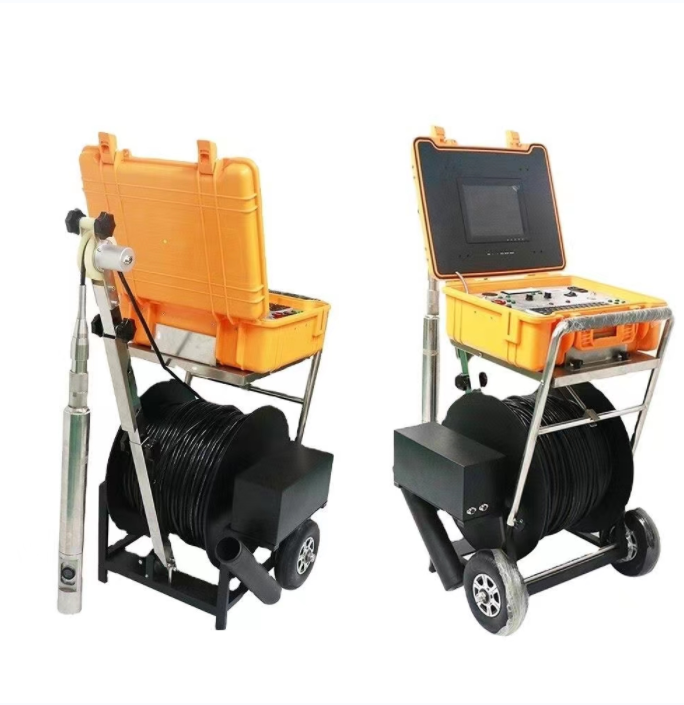
One of the simplest ways is to use the markings on the camera's cable. Many of our pipe cameras, like the Flexible Cable Industrial Borehole Camera, have cables that are marked at regular intervals. These markings are usually in feet or meters, depending on your preference. As you feed the camera into the pipe, you can keep track of how much cable you've inserted. Just note down the markings as you go, and when you reach the end of the pipe, you'll have a pretty good estimate of the length.
Another method is to use the camera's built - in length measurement function. Some of our more advanced models, such as the Borehole Deep Water Inspection Camera, have this feature. The camera has sensors that can calculate the distance based on the movement of the cable. All you have to do is start the measurement function before you insert the camera into the pipe. As the camera moves through the pipe, it'll keep track of the length and display it on the monitor. It's a really convenient way, especially for longer pipes where it might be a hassle to count the cable markings manually.
Now, let's go through the step - by - step process of measuring the pipe length with a pipe camera.

Step 1: Preparation
Before you start, make sure your pipe camera is in good working condition. Check the cable for any damages, and make sure the camera lens is clean. Charge the battery if it's a battery - powered model, or connect it to a power source if it's wired. Also, gather any tools you might need, like a notebook and a pen to record the measurements.
Step 2: Insert the Camera
Carefully insert the camera head into the opening of the pipe. Make sure to feed the cable slowly and steadily. If the pipe has any bends or curves, be extra careful not to force the camera through. Some of our cameras, like the Borehole Water Well Camera, are designed to be flexible and can easily navigate through these types of pipes.
Step 3: Monitor and Measure
As the camera moves through the pipe, keep an eye on the monitor. If you're using the cable markings method, note down the markings at regular intervals. If you're using the built - in measurement function, just let the camera do its thing. If you come across any interesting features in the pipe, like cracks or blockages, you can also take note of their positions along with the length.
Step 4: Reach the End
Once the camera reaches the end of the pipe, stop feeding the cable. Check the final measurement on the monitor or note down the last cable marking. Double - check your measurements to make sure they're accurate.
Step 5: Retrieve the Camera
Slowly and carefully pull the camera out of the pipe. Make sure to keep the cable organized as you do so. After you've retrieved the camera, clean it up and store it properly for future use.
There are a few things to keep in mind when measuring the pipe length. First, the accuracy of your measurement can be affected by factors like the tension on the cable. If the cable is too loose or too tight, it might not give you an accurate reading. Try to keep a consistent tension as you feed the camera into the pipe.
Also, be aware of any obstacles in the pipe. If there's a blockage or a sharp bend, the camera might not be able to reach the true end of the pipe, which can affect your measurement. In some cases, you might need to use additional techniques, like using a push rod to clear the blockage or using a different camera with a more flexible design.
In conclusion, measuring the length of a pipe using a pipe camera is a relatively straightforward process, especially when you have the right tools. Our pipe cameras are designed to make this task as easy and accurate as possible. Whether you're a professional plumber, a construction worker, or a DIY enthusiast, having a reliable pipe camera can save you a lot of time and effort.
If you're interested in purchasing a pipe camera for your projects, we'd love to have a chat with you. Our team of experts can help you choose the right camera for your specific needs. Just reach out to us, and we'll be happy to assist you with any questions you might have.
References
General knowledge about pipe camera technology and length measurement techniques.


