
What are the rescue applications of ROV robots?
Leave a message

ROV (Remotely Operated Vehicle) robots have revolutionized the way we approach rescue operations in various challenging environments. As a supplier of ROV robots, I've seen firsthand how these incredible machines are making a real difference in saving lives and protecting property. In this blog, I'll dive into the different rescue applications of ROV robots and show you why they're such a valuable tool in emergency response.
Underwater Search and Rescue
One of the most well - known applications of ROV robots is in underwater search and rescue operations. When a person goes missing in water, time is of the essence. Traditional search methods can be slow, dangerous, and limited in scope. ROV robots, on the other hand, can quickly reach areas that are difficult or impossible for human divers to access.
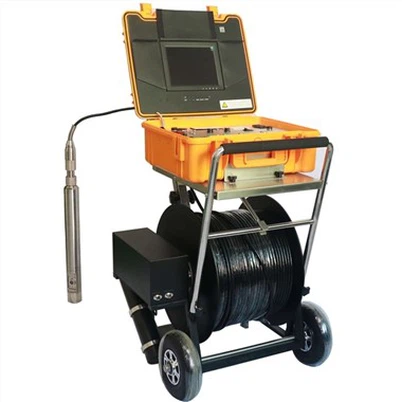
These robots are equipped with high - resolution cameras, like the Borehole Pipe Inspection Camera, which can provide clear images even in murky water. They can be operated from the surface, allowing rescue teams to direct the ROV to search specific areas without putting themselves at risk. ROVs can also be fitted with sonar systems to detect objects and bodies underwater, increasing the chances of a successful search.
For example, in a large lake or a deep - sea area, an ROV can cover a large area in a relatively short time. It can explore underwater caves, sunken ships, and other areas where a missing person might be located. The real - time video feed from the ROV's camera allows the rescue team to make informed decisions about the next steps in the search.
Disaster Relief in Flooded Areas
Floods are one of the most common and destructive natural disasters. In flooded areas, it can be extremely dangerous for rescue workers to enter buildings or search for survivors. ROV robots can be deployed to assess the situation and locate survivors.
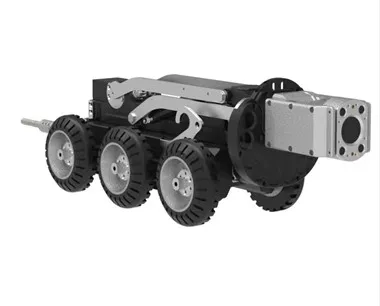
These robots are designed to be waterproof and can navigate through floodwaters with ease. They can enter damaged buildings, crawl through narrow spaces, and provide a detailed view of the interior. The Oil Well Downhole Camera For 3500m technology can be adapted for these applications, providing high - quality images in low - light and wet conditions.
ROVs can also be used to check for structural damage in buildings. By inspecting the foundations, walls, and ceilings, they can help determine if a building is safe to enter or if it needs to be demolished. This information is crucial for the safety of rescue workers and the efficient allocation of resources.


Industrial Accident Response
In industrial settings, such as mines, factories, and power plants, accidents can occur that put workers' lives at risk. ROV robots can be used to quickly assess the situation and provide valuable information to the rescue teams.
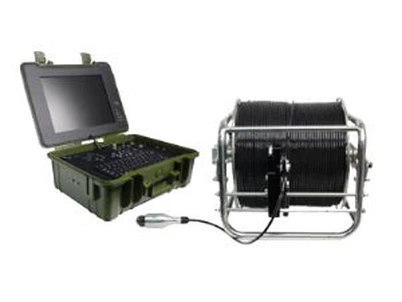
For instance, in a mine collapse, an ROV can be sent into the affected area to search for survivors and assess the stability of the mine. It can use its cameras to identify any potential hazards, such as gas leaks or unstable structures. The Well video 8 inch HD dual camera rotating probe deep well camera drilling inspection camera can be used to inspect deep shafts or tunnels in the mine.
In a chemical plant accident, an ROV can be used to monitor the spread of hazardous materials. It can be equipped with sensors to detect the presence of chemicals and provide real - time data on their concentration. This information can help the rescue teams develop a safe and effective response plan.
Marine Pollution Response
Marine pollution, such as oil spills, can have a devastating impact on the environment and wildlife. ROV robots can play a crucial role in responding to these incidents.
They can be used to inspect the source of the pollution, such as a damaged pipeline or a sunken tanker. The high - resolution cameras on the ROVs can provide detailed images of the damage, allowing engineers to develop a repair plan. ROVs can also be used to monitor the spread of the pollution and assess the impact on the marine ecosystem.
In addition, ROVs can be used to collect samples of the polluted water or sediment. These samples can be analyzed in the laboratory to determine the type and concentration of the pollutants. This information is essential for developing an effective cleanup strategy.
Advantages of Using ROV Robots in Rescue Operations
There are several advantages to using ROV robots in rescue operations. Firstly, they can reduce the risk to human life. By sending an ROV into a dangerous or inaccessible area, rescue workers can avoid putting themselves in harm's way.
Secondly, ROVs can provide real - time information. The video feed and sensor data from the ROV can be transmitted to the surface in real - time, allowing the rescue team to make quick and informed decisions.
Thirdly, ROVs are highly maneuverable. They can navigate through tight spaces, swim against strong currents, and operate in a variety of environments. This makes them suitable for a wide range of rescue applications.
Why Choose Our ROV Robots
As a supplier of ROV robots, we offer high - quality, reliable, and easy - to - use machines. Our ROVs are equipped with the latest technology, including advanced cameras, sensors, and navigation systems.
We understand the importance of quick response in rescue operations, so our ROVs are designed to be deployed rapidly. They are also easy to operate, even for those with limited technical knowledge. Our team provides comprehensive training and support to ensure that our customers can make the most of our ROV robots.
If you're in the market for an ROV robot for rescue applications, we'd love to hear from you. Whether you're a rescue team, an industrial company, or a government agency, our ROVs can help you save lives and protect property. Contact us today to discuss your requirements and find out how our ROV robots can be a valuable addition to your rescue toolkit.
Conclusion
ROV robots have become an indispensable tool in rescue operations. Their ability to access difficult - to - reach areas, provide real - time information, and reduce the risk to human life makes them ideal for a wide range of applications. From underwater search and rescue to disaster relief and industrial accident response, ROVs are making a significant impact in the field of emergency response.
If you're interested in learning more about our ROV robots or have any questions about their rescue applications, don't hesitate to get in touch. We're here to help you find the best solution for your needs.
References
- "Underwater Robotics: Technology and Applications" by Joseph E. Fischell and Michael L. Haberman
- "Disaster Response Robotics: State - of - the - Art and Future Challenges" by Pramod K. Varshney and Rajiv K. Mehrotra
- "Industrial Robotics: Technology, Programming, and Applications" by Peter Corke